
If you’ve spent a little time looking into a Bali holiday, then you may have heard of the dreaded “Bali Belly”. It’s one of those things people mention just enough to make you wonder if it’s something you need to worry about.
The reality is that it is fairly common, usually mild, and nothing to worry about; there are far worse things to encounter around the world.
We’ll keep this Bali Belly guide simple, covering what it is, how to avoid it, and what to do if it catches up with you. Hopefully, by the end, you’ll feel a bit more prepared and realise you have little to worry about.
TL;DR Summary Of Bali Belly
- Bali Belly is usually mild and short-lived, with most cases passing in a couple of days.
- It’s mainly caused by contaminated food or water. A few simple habits can help to prevent it.
- Stay hydrated, rest, and stick to a bland diet if you get it, and seek medical help if your symptoms worsen.
What Is Bali Belly?
Bali Belly is just the name people use for traveller’s diarrhoea, but despite the name, it’s not something unique to Bali. It’s something you can pick up all around the world, especially when visiting developing countries and/or countries that are hot!
It’s usually caused by eating contaminated food or drinking contaminated water. Local people are used to the bacteria in the water supply and food, so they’re less prone to becoming sick, but if it’s your first time in Bali, then your body isn’t used to it. That’s the reason some travellers get caught out early on in their trip.


In most cases, it’s a mild condition. Your body clears it out on its own, and the symptoms usually pass within a day or two, though it can last a bit longer in extreme cases.
If you travel the world, you might hear it called some other, often quite funny names, like Delhi Belly, Montezuma’s Revenge, Tijuana Trots and the Aztec 2-Step!
What Are The Symptoms Of Bali Belly?

Bali Belly symptoms are similar to most cases of food poisoning or traveller’s diarrhoea, and they usually come on fairly quickly after eating contaminated food or drinking contaminated water.
Common symptoms include:
- Diarrhoea (often watery stools)
- Stomach cramps and abdominal pain
- Nausea and sometimes vomiting
- An upset stomach and general digestive upset
- Mild fever
Along with this, you can feel tired, dehydrated, and just generally run-down overall while your body deals with it.
What Are The Causes Of Bali Belly?

So, what actually causes Bali Belly? Well, there are several possibilities. In most cases, it comes down to bacterial infection, but viruses and parasites can also be responsible:
- Bacterial Infections – The most common cause of Bali Belly. It usually comes from consuming contaminated food or water. Different types of bacteria can be responsible, and while it’s possible to identify the exact bacteria through lab testing, most people won’t need to go that far.
- Viral Infections – A fair number of cases come from viruses, an estimated one in three, in fact. Like bacteria, they tend to run their course in a few days.
- Parasitic Infections – Rarer than the former two. Parasites tend to cause more unpleasant, longer-lasting stomach bugs. They can also stick around for much longer, and may need medical treatment to clear.
- Unknown Causes – This one may seem like a cop out, but in many cases, there’s no clear cause at all. It may not even be an infection, just your body adjusting to different food, weather and environment; think spicy food and a few beers in 38°C heat.
Eating Contaminated Food

The food in Bali is fantastic, and if you like it, then you should try as much as you can, both local and international.
It is, however, one of the main ways in which you can get a dose of the Bali Belly. Now, there’s no need to be afraid, but a little bit of caution could save you a bad day or two.


These are some of the food situations where you might want to be a little more careful:
- Undercooked Meat – Probably the most obvious one. If it’s not hot and freshly cooked, it’s not worth the risk.
- Raw Vegetables and Pre-Peeled Fruit – These are often washed in tap water or handled quite a bit before you eat them.
- Leafy Salads – Things like lettuce can be a bit risky as they’re usually eaten raw and washed in tap water.
- Unfresh or Undercooked Seafood – Bali does great seafood, but only when it’s fresh. Properly prepared sushi is generally fine, though.
- Unpasteurized Dairy Products – Less common, but some dairy foods like fresh milk or soft cheeses can cause issues if not properly treated.
- Food that’s Been Sitting Around – Food buffets are the most obvious example here. Once food cools down, it becomes much easier for bacteria to grow. ice cream also, though, if it’s been left to melt, then frozen again.
- Places with poor Hygiene practices – This goes for anywhere, not just street food, which can be great. It’s worth paying attention to cleanliness and how food is handled.
Drinking Contaminated Water

Water is another easy way to get caught out in Bali, and it’s often the small things that trip people up, rather than just straight-up drinking tap water:
- Don’t drink water unless you know it’s safe, and that includes using it to brush your teeth.
- Stick to bottled or properly filtered water; fizzy water is a good way to ensure it’s safe. It’s worth noting that free water refill stations in many of Bali’s cafes come from safe water providers.
- If you do need to use tap water, it should be fully boiled before drinking.
- Ice in Bali is well regulated, but be cautious in more remote areas.
- If you are preparing food, try not to wash it in tap water; use bottled water if possible.
Other Ways Of Getting Sick
Not every case of Bali Belly comes down to something obvious like bad food or water. Sometimes it’s just a mix of things that your body isn’t used to, especially in the first few days of your trip.
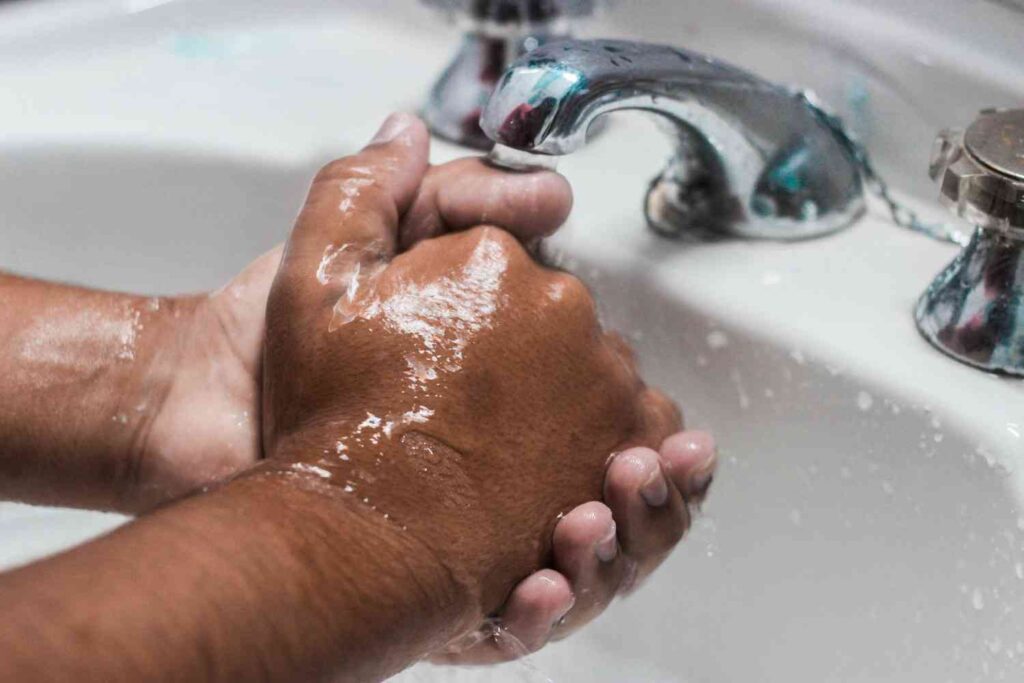
- Poor Hand Hygiene – It sounds basic, but not washing your hands properly (especially before eating) is one of the easiest ways to pick something up.
- Touching Your Mouth or Nose – The same thing applies as the last points, dirty hands to your face is a classic way to introduce germs to your body.
- Too Much Alcohol – We know, and we don’t mean to preach, but often someone’s sickness was just a case of too many Bintangs on the first day!
- Very Rich or Spicy Food – Your body might not be used to it, especially if you dive straight in on day one.
- Dehydration – The heat and humidity can creep up on you, and dehydration can make everything feel worse.
- Too Much Sun – Long days out in the sun can run your body down and make your stomach turn nasty. Get in the shade if you’re feeling a bit queasy.
How Long Does Bali Belly Last?

In most cases, Bali Belly doesn’t last very long. For most people, the symptoms clear up within 24 to 48 hours, especially with rest and hydration.
It can, however, hang around a bit longer, and it’s not unusual for mild symptoms to last a few days, especially if you’re still adjusting or not taking care of yourself. If it’s caused by something more stubborn, like a parasitic infection, it can last a lot longer and may need treatment.
As a general rule of thumb, if your symptoms are improving daily, then you’re on the right track. If you’re not getting better or even feeling worse, then you need to take extra care and consider seeking medical advice.
How To Avoid Bali Belly

Preventing Bali Belly should be pretty self-explanatory after knowing the main causes, but here we’ll spell it out in simple terms:
- Stick to hot food that’s been freshly cooked. Busy places where there’s a quick turnover are always a good bet.
- Be a bit selective with high-risk foods, including meats, fish, raw vegetables and leafy salads. Avoid food that’s been sitting out for a while.
- Drink bottled water or water that has been properly filtered. Boiled tap water is ok in the short run because boiling kills most bacteria and parasites, but it’s not a good long-term option due to chemicals and heavy metals.
- Practice good personal hygiene; wash your hands regularly, especially before eating. Hand sanitiser and anti-bacterial wet wipes are great if you’re out and about.
- Pay good attention to the hygiene practices of places you’re visiting, be it a restaurant, cafe or street vendor.
- Don’t go too mad as soon as you arrive, give your body some time to adjust to new foods and environment before you go too heavy on rich and spicy food.
- Generally, take care of yourself: limit consumption of alcohol and go easy on the sun exposure, stay hydrated, and get some sleep.
What To Do If You Get Bali Belly?
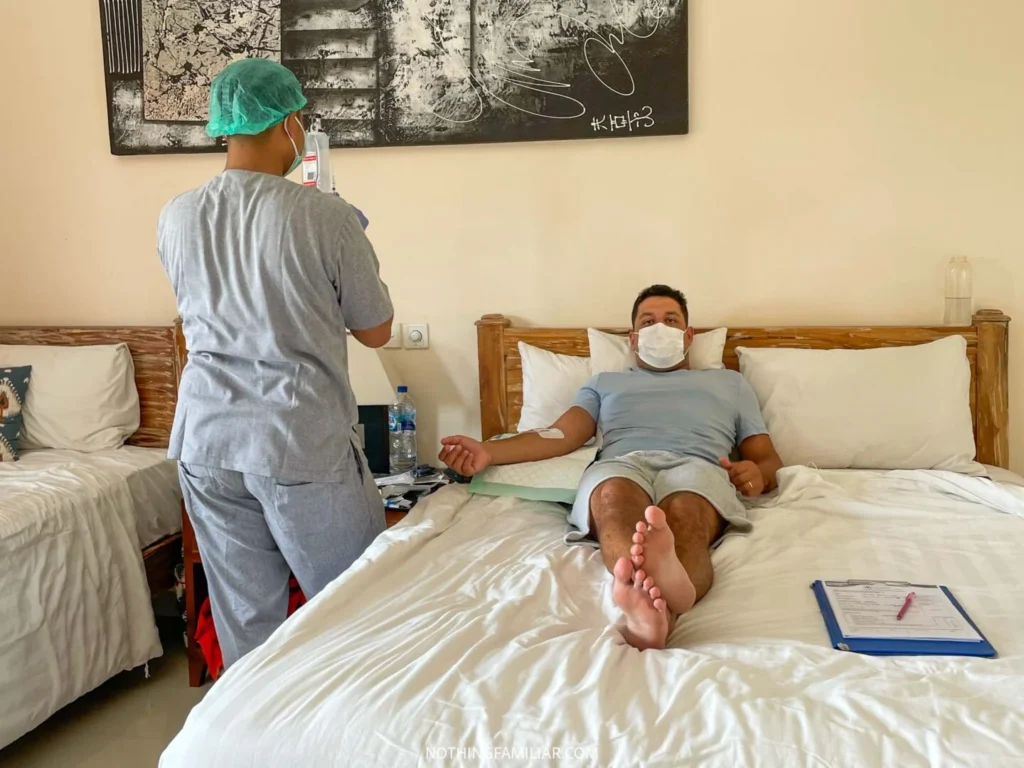
If you do get it, the main thing is not to panic; your body will usually clear it on its own in a day or two.
The main priority is proper hydration. You’ll be losing fluids, along with salts and minerals, which your body needs to function; these must be replaced. Bottled water is a good place to start, but oral rehydration salts or electrolyte drinks will help you replace lost salts and recover faster.


Keeping food simple is also a good idea. Stick to bland foods for a day or two, things like plain rice, bananas or even bone broth if you can get it. Heavy, spicy or greasy food can worsen diarrhoea and make you feel worse. Avoid alcohol for a few days; it dehydrates you, weakens your immune system, and irritates your digestive system.
Rest is also very important. Give yourself time to recover, stay in your room if you need to, and don’t try to power through it.
In severe cases, you may need to visit a doctor.
What If My Children Get Bali Belly?

It’s never nice when kids get sick, but most cases are still mild and pass quickly. The main focus is on keeping them hydrated, as children can lose fluids faster than adults.
Offer small, regular sips of water or electrolyte drinks, and keep food simple if they feel like eating. If you’re travelling with babies, make sure formula milk is prepared with safe, bottled or treated water.
If symptoms don’t improve or they seem unusually unwell, it’s best to seek medical advice.
What If I Don’t Get Any Better, Or Feel Worse?

Most cases improve within a couple of days, but if things are getting worse or diarrhoea persists, don’t ignore it.
Ongoing symptoms, high fever, or severe pain can point to something more serious, and it’s worth seeking medical attention. A doctor may run tests, such as a stool sample, to check for infection.
If in doubt, visiting a clinic or speaking to a travel doctor is a simple way to get the right treatment and peace of mind.
Is There A Vaccine Or A Cure For Bali Belly?

There’s no single vaccine or quick cure for Bali Belly.
Because it can be caused by bacteria, viruses, or parasites, there isn’t one treatment that covers everything. Most of the time, your body clears it on its own, and it’s just a case of managing the symptoms.
You might hear about things like the oral cholera vaccine, but it’s not a guaranteed way to prevent Bali Belly and isn’t routinely recommended for most travellers.


FAQs
Is Bali Belly Contagious?
No, it isn’t usually something you’d catch from another person.
Most of the time, it comes from consuming something contaminated, not from being around someone unwell. So if someone in your group gets it, it doesn’t automatically mean everyone else in the group will.
But it is possible. Some bacterial and viral infections can pass from one person to another if sharing eating utensils, water bottles, etc, or if you’re just sharing a very close space, like a hotel room. But it’s nothing to worry about, just be sensible, don’t share utensils, wash your hands, and keep things clean.
Can I Still Get Bali Belly If I Eat Vegetarian Or Vegan?
The short answer, yes! Bali Belly is not just linked to meat or seafood; it’s more about how food is handled and prepared. Even if you avoid meat completely, you can still get it from dodgy food or water.
Things like raw vegetables, green leafy vegetables and salads can be a risk if they’re washed in contaminated water. If you’re eating veggie or vegan, it’s still a good idea to eat freshly cooked food and be mindful of what you’re eating.
What’s The Difference Between Bali Belly And Traveller’s Diarrhoea?
There isn’t a difference!
“Bali Belly” is just the nickname people use when they get traveller’s diarrhoea while visiting Bali. It sounds more specific than it actually is, but it’s the same thing you can get in many parts of the world.
Traveller’s diarrhoea is the proper term used to describe stomach illness caused by unfamiliar bacteria, or whatever. So if you hear someone say they’ve got Bali Belly, they’re just talking about traveller’s diarrhoea, with a location-specific name.
Are Natural Remedies Good For Treating Bali Belly?
Some people like to try natural remedies, and things like ginger, peppermint tea, or even bone broth can help settle an upset stomach.
But they’re not a cure.
If you’ve got mild symptoms, they can make you feel a bit more comfortable while your body clears things out. Just don’t rely on them alone; proper hydration is still the most important part, especially to replace lost minerals and salts.
Final Thoughts On Bali Belly

Bali Belly isn’t something most travellers need to stress over, but it’s worth being aware of.
A few simple habits go a long way to avoid it, and if it does happen, it’s usually short-lived and easy to manage. The main thing is knowing the signs early and taking it easy if you need to.
With a bit of common sense and preparation, there’s no reason it should get in the way of enjoying your time in Bali.