Bali enjoys a tropical climate: hot temperatures, warm sea, and high humidity with occasional rain showers year-round.
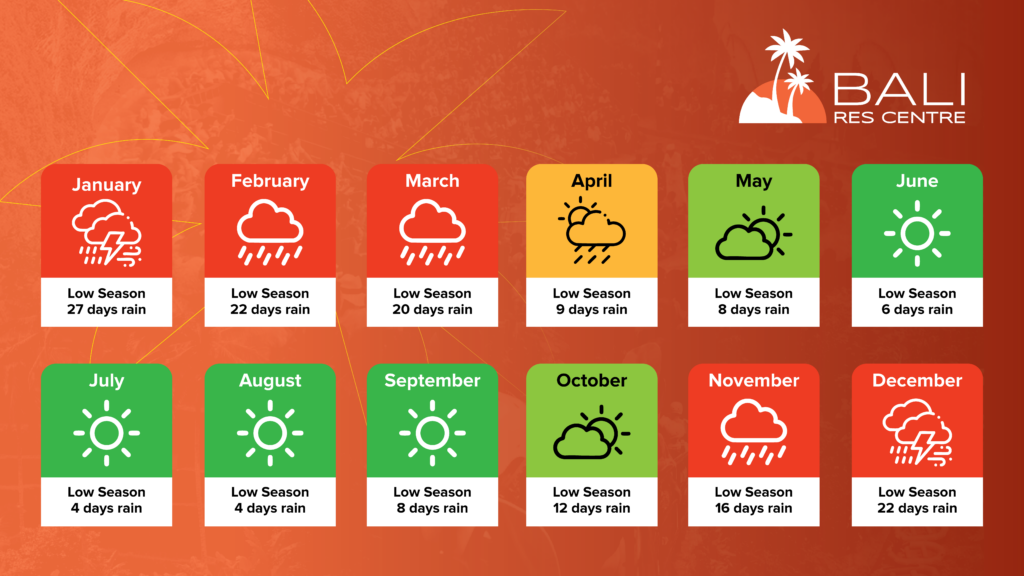
With its two main seasons covering dry months (April to October) and rainy months (November to March), it gives travellers an opportunity to plan their dream vacation ahead.
This is our complete insider guide on everything you need to know about Bali’s climate and weather patterns every month and season, as well as our recommendations on the best time to visit this beautiful Indonesian island.
Summary On Climate In Bali
- Bali’s tropical climate guarantees amazing weather throughout the year, with average daytime temperatures of 20°C to 32°C, average humidity levels of 75-80% and an average sea temperature of 27-30°C.
- The biggest change is the rainfall. Island goes from no rain in the summer months (just 20-40 mm) to lots of heavy rain in December, January and February (most of the annual rainfall with about 250 mm per month).
Annual Rainfall
In general, Bali’s annual rainfall amounts to 1700 mm per year, with most of it spread between November, December, January, and February.
These months have about 250-350 mm of rainfall and from 19 to 27 rainy days. The rainy season is no joke in Bali, but tropical showers are usually short.
On the other hand, August is historically the driest month. It may never rain or drizzle, just 3 times a month.
The rainy season contributes to higher humidity, up to 85%.
Average Temperature

Daytime temperatures stay pretty consistent through the whole year – 29-31 degrees C around coastal areas and slightly cooler further inland.
The biggest difference is in night temperature between dry and wet seasons, though. In June, July, and August, you can get chilly nights with 20-23°C.


Good weather translates into long sunshine hours – 8 hours on average, with most hours (up to 10) during the summer months of the dry season.
Average Sea Temperature
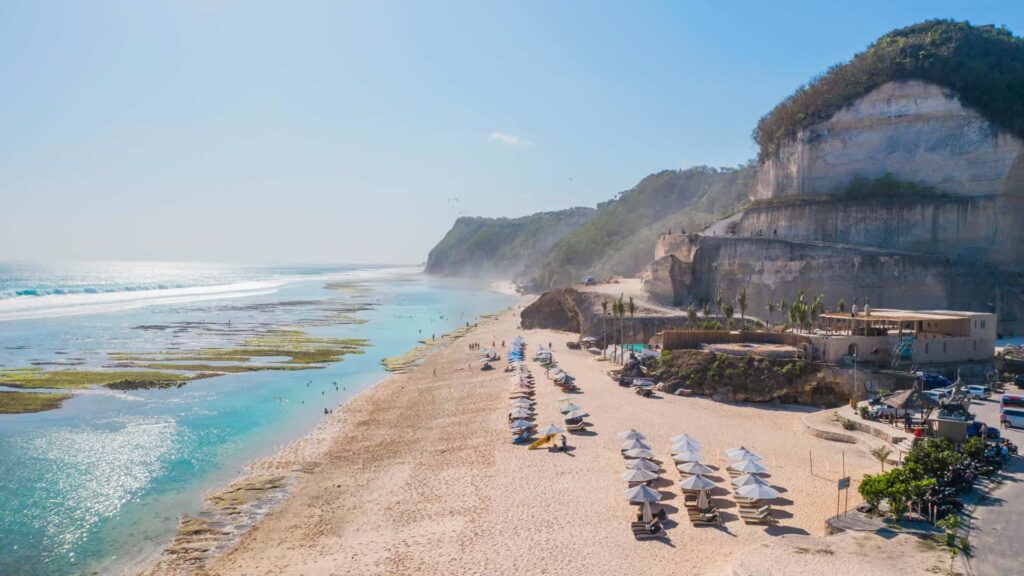
The Bali sea and the Indian Ocean along the shores are very warm year-round. The average sea temperatures range between 27 and 30°C and are perfect for water sports and activities.
Sea temperature is cooler in the dry season, especially in August, and really warm during the rainy season.
Swimming, snorkelling, kayaking, rafting, surfing, windsurfing and, of course, diving are just so much better to do when the water is actually warm and clear!
Climate Change

It is super important to say that Bali experiences the effects of global warming and human industries among the first regions on the planet.
Combined with poor development in some areas, it leads to flooding, droughts, landslides, strong currents carrying trash, or landfills burning.
It means we’ve noticed in recent years that weather patterns often don’t match the “usual” climate data, and you can have extremely hot and dry months or increased rainfall during summer.
However, you still will havean amazing time in tourist hubs since the infrastructure is already laid out for your unforgettable holiday.
Seasons In Bali
Bali’s climate has two distinct seasons, which are determined by large-scale wind patterns and the potential rainfall: the dry season and the rainy season.
No spring or summer – the nature is glorious and lush year-round! No winter either, instead you get cooler temperatures during the dry season (winter months).
Bali’s Dry Season (April to October)

The dry season in Bali starts in April and ends in October. This is the high season for tourists, especially surfers, honeymooners, and families.
The temperatures are typically cooler, but only slightly (24-31 °C) and especially at night (about 20 °C), when you may even need a light sweater. The average day is dry, less humid (70-75%), with 8+ hours of sunshine, strong winds, and clear skies. The rainfall is really minimal, about 15-40 mm.
And definitely bring your hiking shoes – dry season is the time for outdoor activities, rafting, hiking, chasing waterfalls, canyoning, ATV adventures, and so on.


Anywhere in Bali is a great place to be in the dry season: along the West Coast and South, you get plenty of beach days and surfing, in the Eastern coastal regions, you have fewer crowds, a diving paradise, and lots of cultural sites.
Central Bali and Northern regions like Ubud, Sidemen, Munduk, Lovina – you have that authentic, untouched Bali, stunning landscapes, views of the central mountains, and even cooler temperatures!
Bali’s Wet Season (November to March)

The wet season in Bali runs from November to March and is largely affected by tropical cyclones and patterns like La Niña and El Niño. December is the peak season with lots of parties and events around Christmas.
You get really hot, humid weather (to the point that it feels sticky), and it rains a lot. Average temperatures during the day are about 27-32 °C, with rainfall averaging 250 mm per month, with January often being the rainiest month.
Canggu is the perfect mix of spas, cafes, and activities to hide from the rain. If you don’t mind a bit more rain but want to escape the heat, Ubud in the wet season is amazing: so green and typically warm, but with heavy rain.
Don’t get us wrong, during the wet season, you will get plenty of sunshine hours every day, and most of the time, tropical storms are heavy but short. Everything dries up quickly, and you continue your vacation.
You definitely need a cute sun hat, mosquito repellent to avoid dengue, and a high SPF sunscreen to make sure you’re not toasted right away. Buy a poncho in Bali.
Unofficial Shoulder Seasons
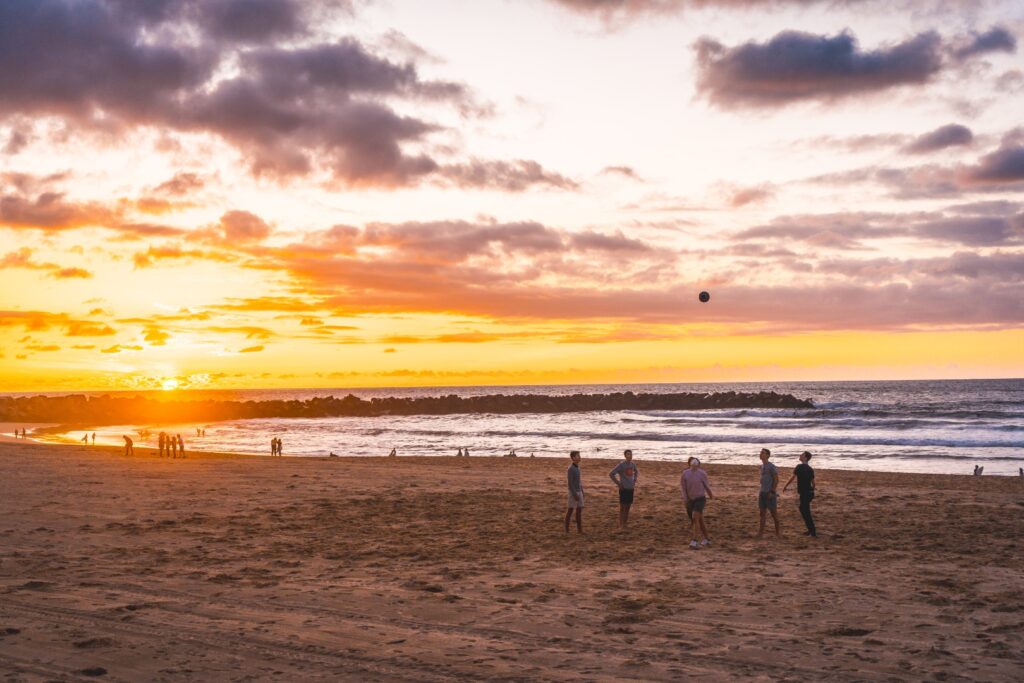
March, April, September and October are low season and while often overlooked, offer the best value for money for budget travellers and digital nomads.
You get pretty much the same weather: warm temperatures and a bit of rain in the late afternoon (occasionally), comfortable sea temperature, and plenty of things to do.
Since these months are in the official dry and wet seasons, you can really do anything you want.


Bali Weather By Areas
South Bali
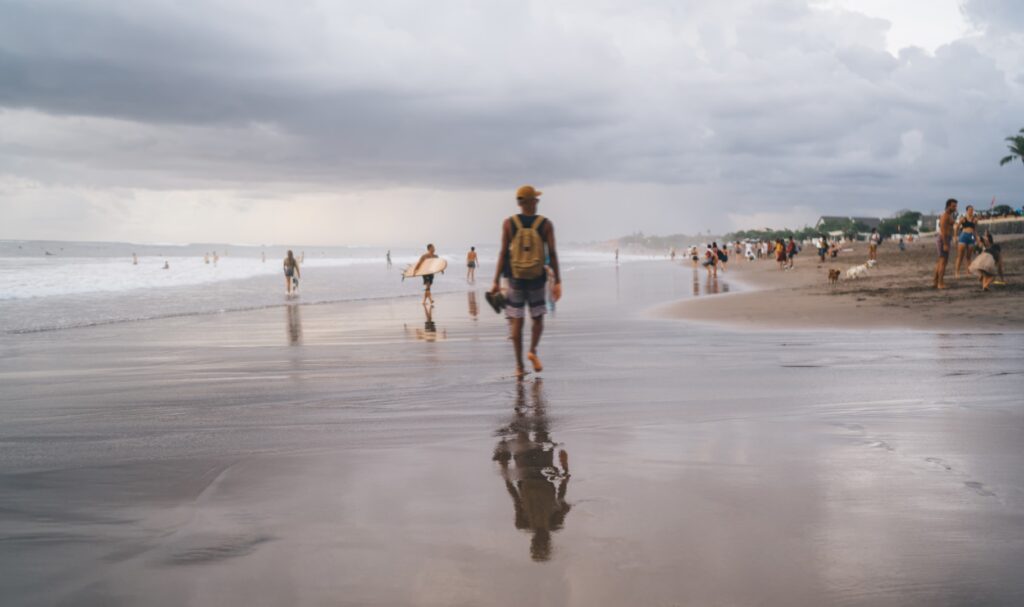
From Kuta to Cemagi, you have the best stretch of sandy beaches, popular tourist hubs, and amazing weather.
Average temperatures are about 27-32 °C, sea water is really warm, and you get the average humidity of 80 to 85% depending on the season and the expected average rainfall month by month.
When it rains in Ubud or the North, it is usually all sunshine on the coast. The days are hot, sunny, and rather humid.
Central Bali

Ubud, parts of Kintamani and Gianyar are right in the centre of Bali.
The climate here is somewhat between coastal areas and mountains, too. Day temperatures range between 22 – 27°C, but a bit more unpredictable rainy season and there is higher humidity thanks to the rainforest and jungles.
The scenery here is absolutely stunning.
Highlands
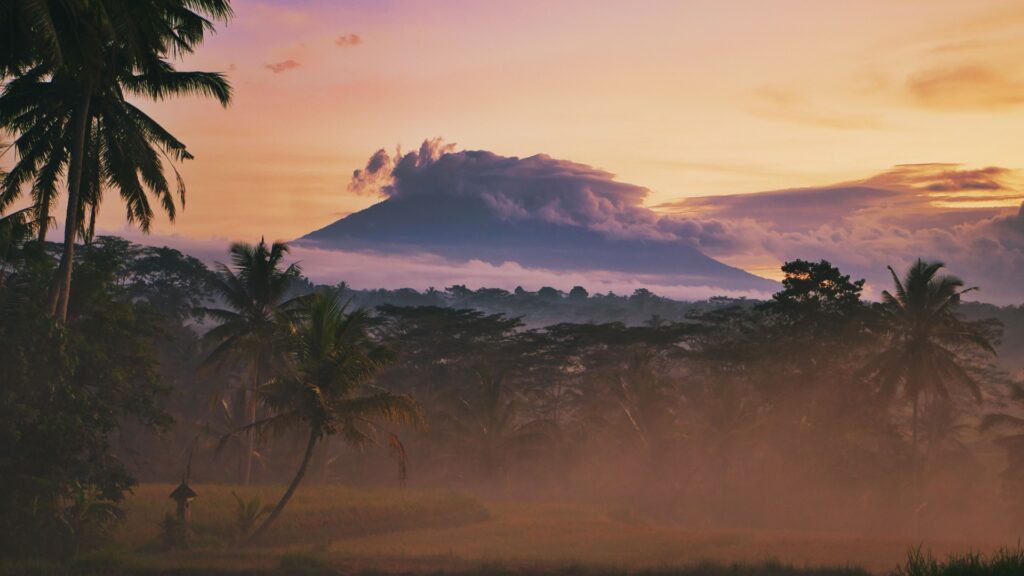
Highlands and mountains in Bali experience cooler weather during the dry season and more rain during the rainy season, with Mount Agung seeing the most downpours.
Here, you can see some early morning clouds got stuck between hills, mist, fog, and lower visibility around lakes.
Bukit Peninsula
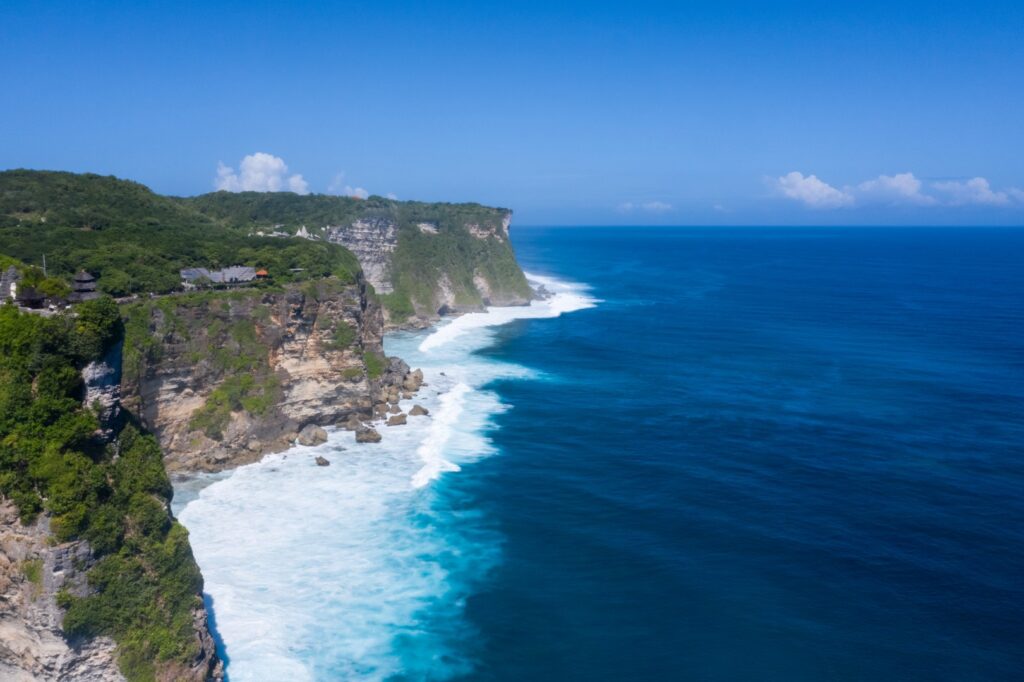
Sitting on a massive limestone foundation, Uluwatu, Jimbaran, Pecatu, and partly Nusa Dua benefit from shorter rains and the soil quickly dries up. Temperature-wise, it is very similar to the South coastal regions.
At the same time, being the southern tip means that waves and currents during the monsoon season are almost scary.


The Nusa islands and Bukit have a similar weather pattern: 28-32 °C as average temperature, warm sea temperature, and drier air.
East Coastal Areas
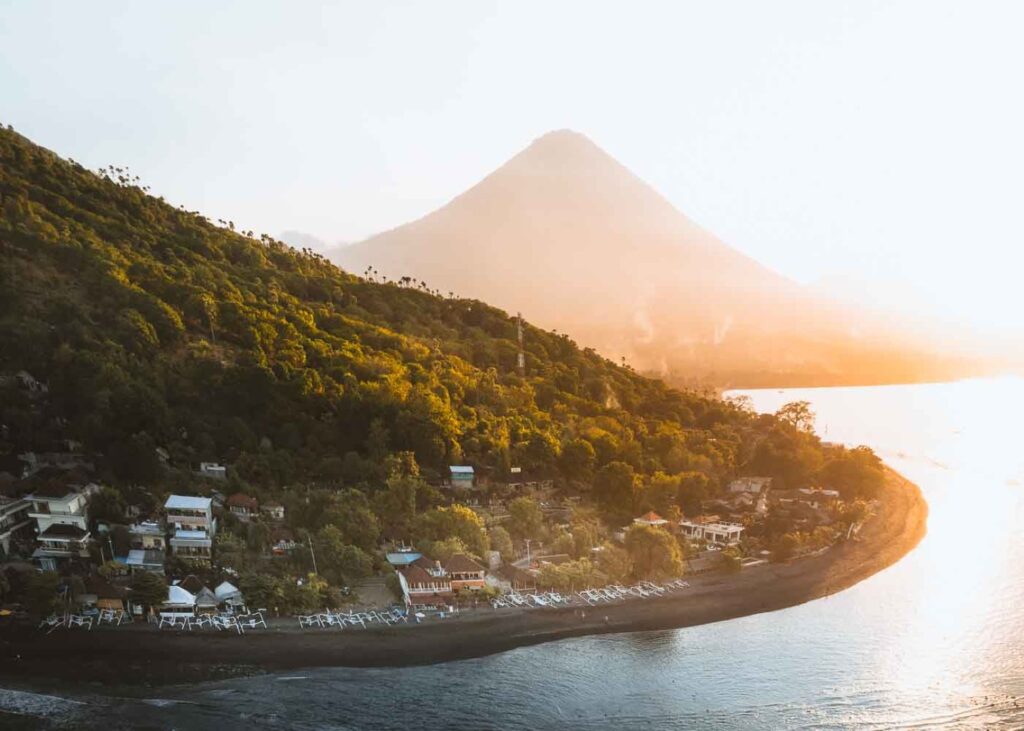
East Coast, especially Amed and Tulamben, may see more rainfall throughout the year due to their proximity to Mount Agung, which is a real magnet for tropical storms.
These quieter fishing villages have warm temperatures, average humidity and calmer seas all year-round, which makes it perfect for swimming and diving.
Bali Climate By Month – Find The Best Time To Visit Bali
As Bali is so close to the equator, the temperatures and humidity levels don’t change that much – it is summer year-round, every tourist’s dream.
But you need to keep an eye on the rainfall and understand that the monsoon makes weather patterns unpredictable.
- The hottest months in Bali are March and November, depending on the year, reaching between 32 and 37 °C
- The driest and coolest month in Bali, with the least chance of rain and most sunshine, is August, with only a couple of rainy days per month.
- The wettest month in Bali is January with 350 mm of rainfall on average and rain showers almost every day. January also has the highest humidity levels of 85%.
January

January is notoriously the wettest month in Bali with strong winds and rough seas. The average number of rainy days in January is a whopping 27 days, bringing in 350-450 mm of rain in total.
However, heavy rain often comes in the afternoon, so you can still plan outdoor activities for the early morning. January in Bali has very humid weather, often between 82 and 85%.
With so much rain and a short sunshine window (about 6 hours), hiking, rafting, island hopping, and visiting waterfalls are often out of the question for safety reasons.
However, you will still have a blast at Canggu, Nusa Dua and Sanur white sand beaches, in Ubud, and Uluwatu. There are plenty of parties, museums, galleries, yoga or cooking classes, temples, and restaurants to check out.
February
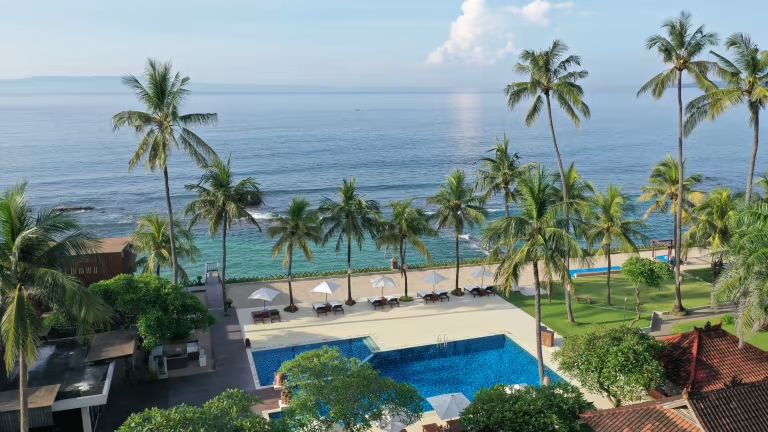
Somewhat low season, February has fewer rainy days than January and yet, almost two-thirds of the month it is raining (18-19 days).
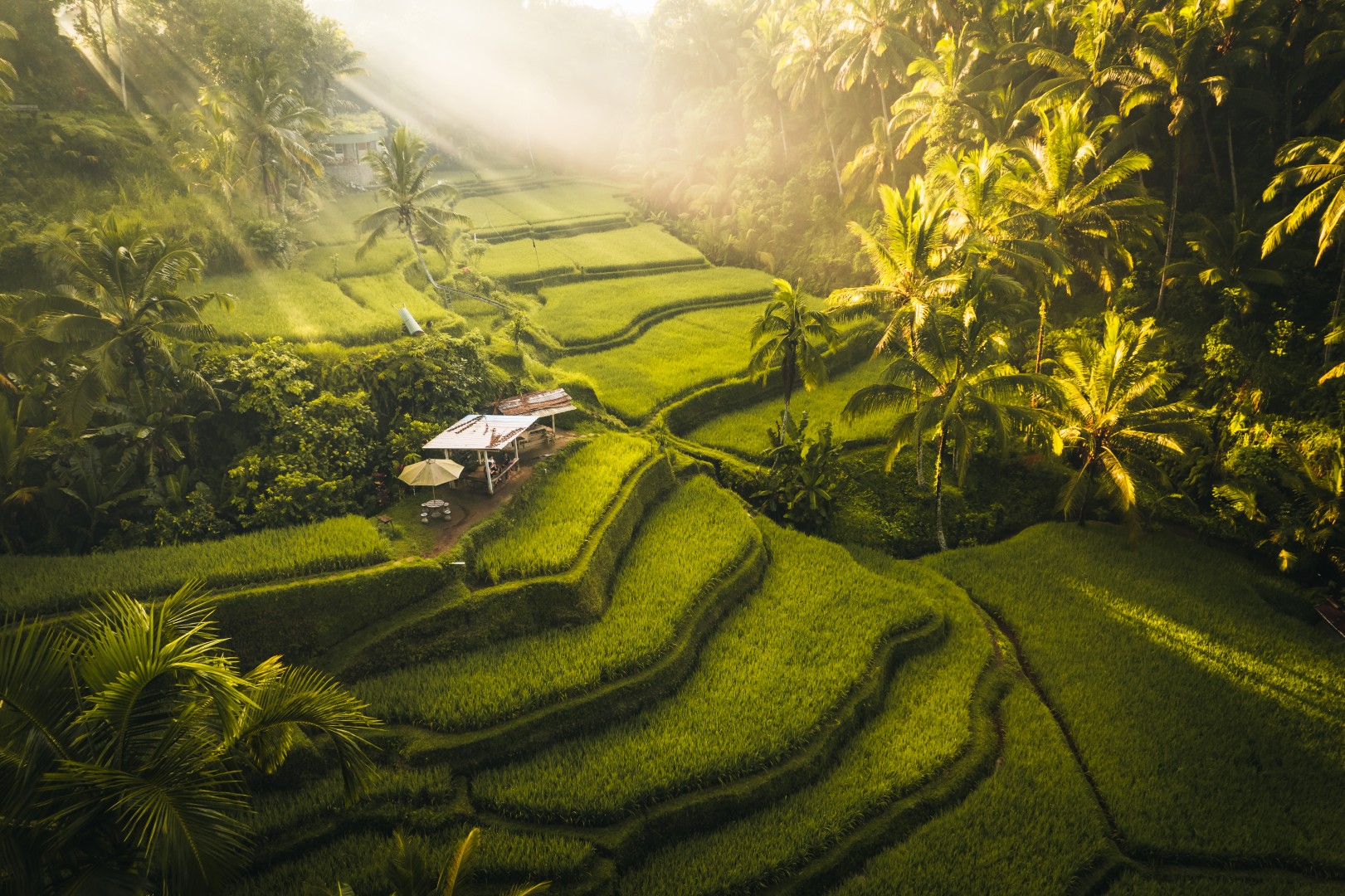
The days are warm, and with 6 sunshine hours, you can explore markets, lush rice terraces in Jatiluwih and Tegalalang, temples, cafes, and if it is raining, spend a day at a beach club.
Make sure to pick a good hotel or villa with amenities like a pool, restaurant, and media room on site to still have things to do when the sky opens up.
Water is really warm, but the South Coast can get a bit messy, choppy, and dirty, so your best chances for a swim are around Nusa Dua, Sanur, or Candidasa.
March
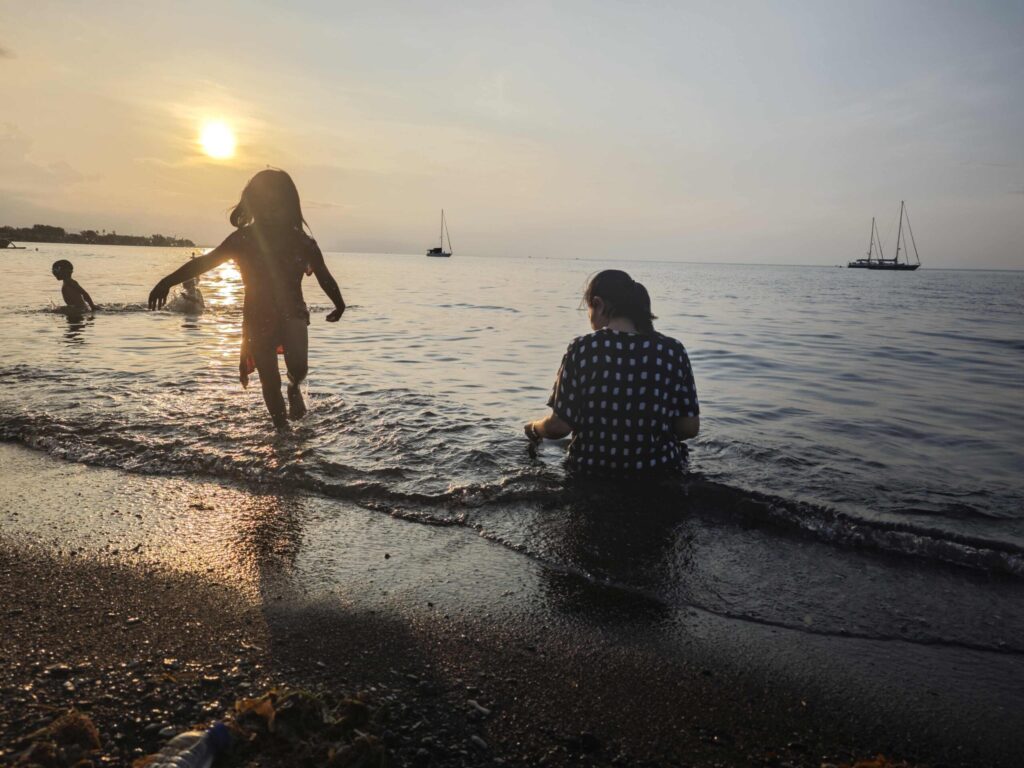
March in Bali is often the hottest month of the year, with temperatures averaging 32 °C and sometimes reaching as high as 37 °C, which feels much hotter combined with high humidity (about 80%).
We are super close to the end of the rainy season, and while tropical downpours can still catch you off guard, March is a beautiful low season for a honeymoon, solo travellers, and nature lovers on a budget.
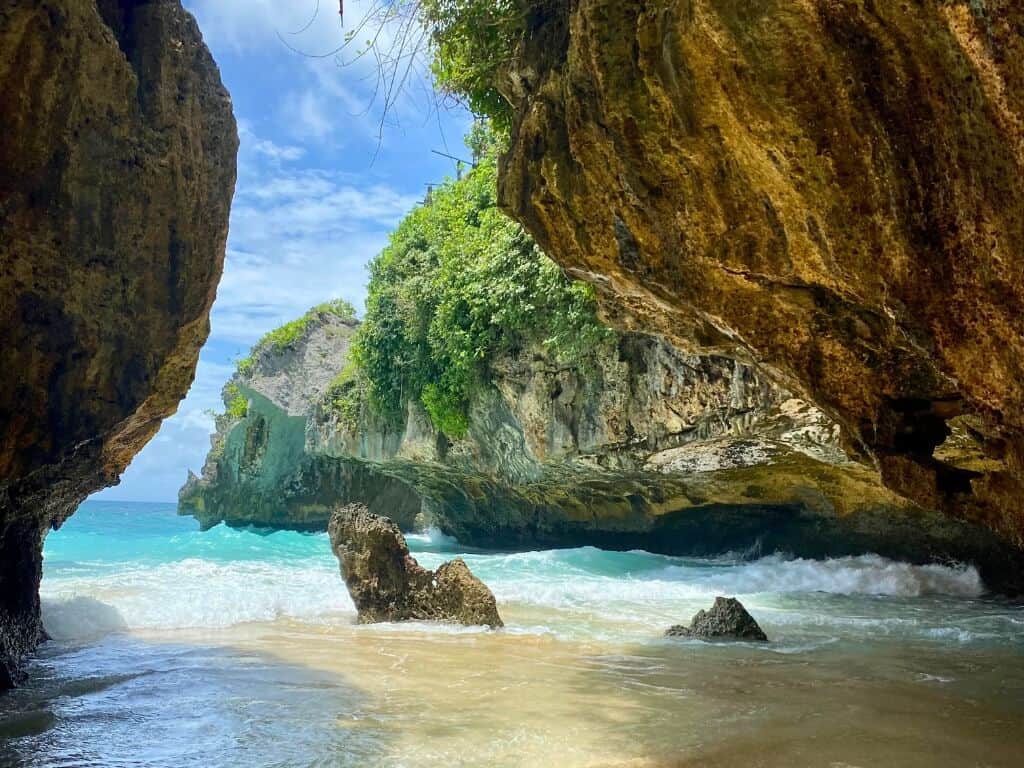
Some years, almost half of March, there is no rain, so you can already plan a visit to some of Bali’s waterfalls in Gianyar or Munduk, go on a snorkelling and diving trip, and beach hopping.
April

April is another fantastic month to visit Bali, as we are stepping into the dry season. Most of the days are hot (22-30 °C), sunny, and less humid. It gets more and more windy, so day trips become more pleasant.
Perfect time to visit Bali’s monkey forests in Sangeh and Ubud, go on a road trip around Bali to explore Amed, Sidemen, Kintamani, and Ubud.
April is also the best time for hikers and everyone who loves nature. Book a trip to the National Park, visit the Botanical Garden in Bedugul, try surfing, diving, rafting, and go to palaces and temples.
And the best part? It is still about 30% cheaper to book flights and accommodation in April than it will be in June.
May

In May, the average temperatures are between 21 and 31 °C, and there are only 9 days of rain, which is great news. The water is also really warm, and it is amazing for swimming, water sports, and your first surf session.
Sunsets in Bali are top-notch, but the most beautiful pics you get from May onwards: very bright colours and clear skies.
The best places for sunset views are FINNS beach club, clifftop Uluwatu Temple (70 meters above sea level!), Tanah Lot temple, during long walks down Kuta beach, and while in Nusa Lembongan (with Bali mountains as a backdrop).
June
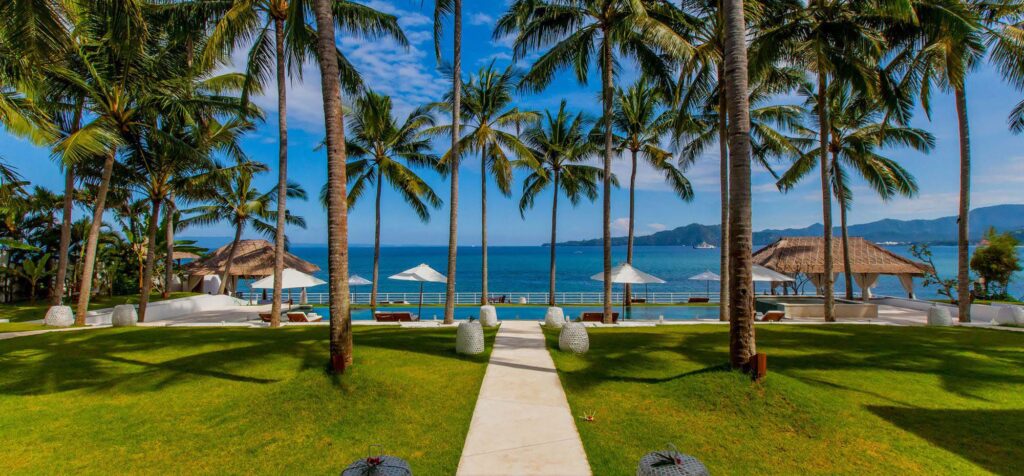
Peak season starts in June. The summer months coincide with school holidays, so lots of families from Europe and Australia come to Bali.
The days are sunny, hot, and you don’t get many rainy days at all, yet, here and there, you get to enjoy that nice and cool breeze from the Indian Ocean.
The air gets drier, and the humidity levels finally drop below 80%. IF it rains (chances are very low), it will be a short rain shower in the afternoon, totally not disrupting your travel plans much.
This is the prime time to visit Bali if you love surfing, water sports, beach hopping in Uluwatu and want to hop on a boat to visit Nusa Penida or the Gili islands.
The catch? Crowds, traffic in South and Ubud, and high prices on everything.
July

July is very similar to June: hot, sunny, dry.
You can happily enjoy up to 10 hours of sun every day, so it is perfect for a surf trip and a beach vacation. It gets slightly cooler, although the water is still nice and warm, at about 27 °C.


To unwind a trip to Northern regions is finally a good idea, as you won’t be drenched. So you can play golf, hit all the waterfalls, lakes, hike volcanoes, ride dirt bikes, and snorkel in Pemuteran.
Every year, Bali Arts Festival also happens from mid-June to mid-July, and it is a must if you’re curious about Balinese traditional arts and culture.
August
August is the driest month in Bali’s climate table, with only 15-25 mm of monthly rainfall and just 3-4 days of rainfall.
The weather is also the coolest at that time – maximum temperature during the day is about 29 °C, the winds can be pretty strong, hence locals organise a Kite Festival in Sanur.
Although still peak season, August is one of our favourite months in Bali as you can really do it all, from shopping to canyoning and sunrise hikes.
Also, staying in any area will be a win, so it is a great opportunity to explore gems like Sidemen, Candidasa or Amed, Bedugul, Tabanan, or even Balian.
September
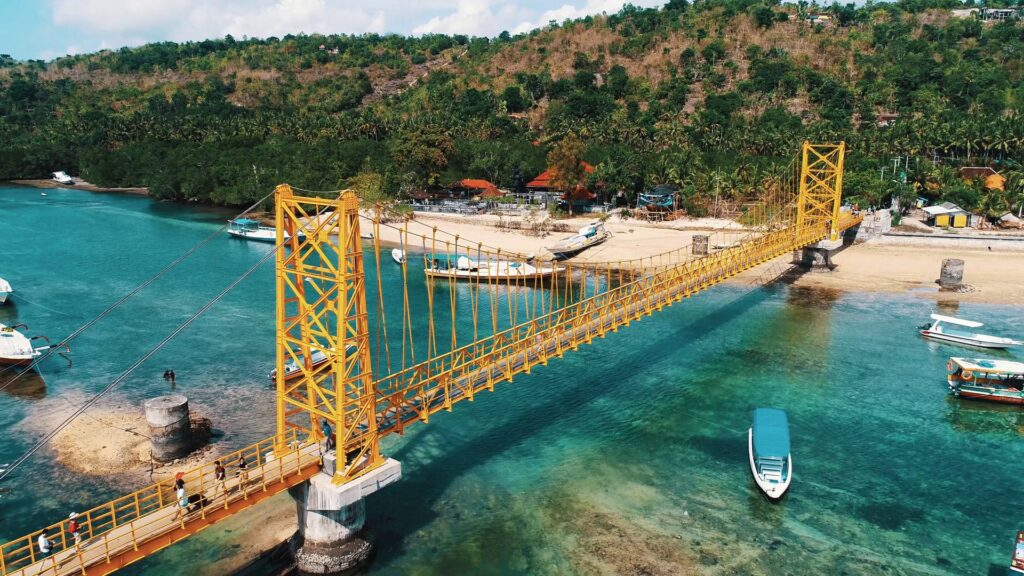
September marks the beginning of the low season with fewer crowds, lower prices, yet still fantastic weather conditions for outdoor activities, beach days, and day trips to visit temples and palaces.
With just 3-5 rainy days, you get a whole month of sunshine, 30 °C during the day, nice ocean breeze, and lower humidity (78%). Absolutely dreamy weather.
The weather is not as hot as during the dry summer months, and you have much less rainfall, so September and October are best for hiking Bali’s active volcanoes: Mount Batur and Bali’s highest peak, Mount Agung (3,031 m).
Besides, it is your chance to go to Nusa Penida, Nusa Lembongan & Ceningan or even Gili Trawangan to taste that island vibe with white sand beaches, untouched lush cliffs, and nightlife.
October

October is great equally for sightseeing and beach vacay, and the weather is still hot and sunny, although we do get very close to the rainy season, so October gets a bout a week of rainy days in total.
It starts to get slightly hotter and more humid: daily temperatures rise till 31 °C and humidity is back to 80%.
Bali’s climate in October is still wonderful for scuba diving, jungle walks, and going on longer day trips to visit ancient temples, waterfalls, or attend ceremonies. Surfing, though, starts to phase out slowly.
November

In November, every area in Bali starts to get more and more rainfall and the humid days bring back that muggy feeling.
Occasional rain showers become more frequent, but not overwhelming yet, so November is still a good time to visit Bali, for both outdoors and just an all-inclusive style of travel.
The ocean gets really warm – about 30 °C, so this month is great for beach clubs and days on the beach, especially on the East Coast, Uluwatu, and Canggu.
December
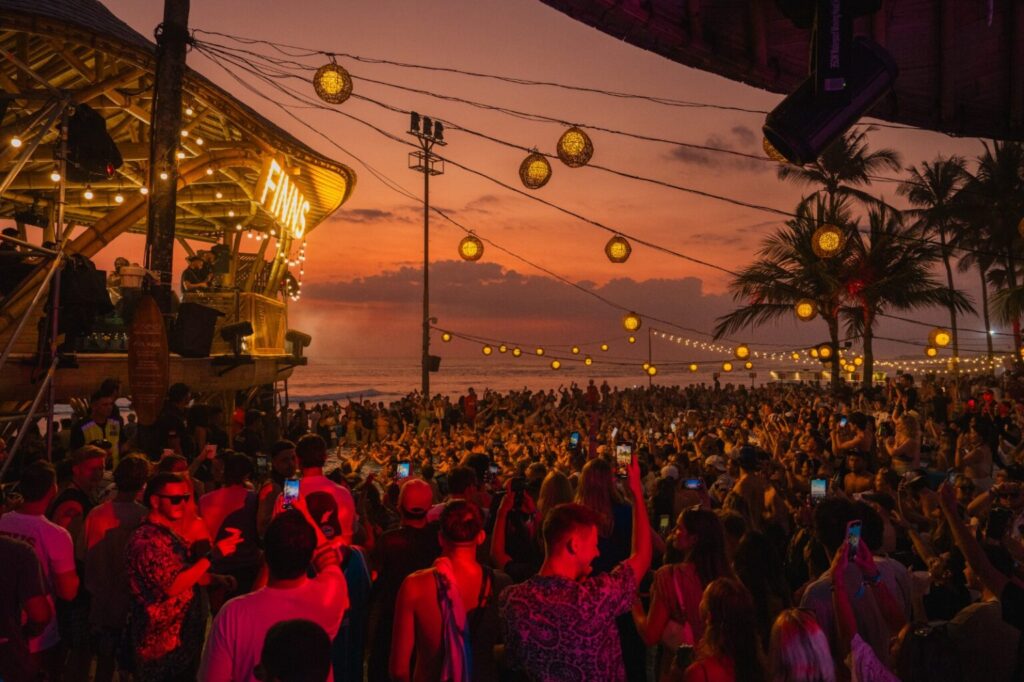
In the middle of the rainy season, December temperatures typically range from 25 °C to 31 °C, and the rain takes full power, bringing in about 250-300 mm of rainfall stretched across 17 days.
Despite that, December is the prime time to visit Bali, if you want to attend a once-in-a-lifetime New Year’s party. Places like FINNS beach club host massive nights with top international DJs, amazing food, cocktails, and a super cool crowd.
December in Bali is great for shopping, markets, yoga retreats, exploring clubs and bars, and visiting temples.

FAQs
What Are The Best Months To Visit Bali?
The best months to visit Bali on a budget are March, April, May, September, and October. You get amazing weather but fewer events and crowds.
The peak months to come to Bali if you want to party or have the best surfing season are June to August and December.
What Type Of Climate Is In Bali?
Bali has a tropical monsoon climate according to the world’s climate classification by Köppen-Geiger as a part of the Lesser Sunda Islands of Indonesia. Monsoons are technically the change in the wind that may bring more rainfall.
It means the weather patterns are affected by trade winds and heavy rain, with very slight changes in humidity, air and water temperatures throughout the year.
Bali’s climate has some differences due to the landscape too – the Bukit peninsula sits on limestone, so it is generally drier, while mountain areas have lower temperatures and more rainfall.
What Is The Coldest Month In Bali?
In our experience, July and August can be the coldest months in Bali when night temperatures are lower (about 20-23 °C) and paired with cool breeze and strong winds, it feels rather chilly.
It will feel warmer in Canggu and coastal regions and cooler in Sidemen or Munduk (highlands, higher elevation above the sea level)
Final Thoughts On Bali Climate
Bali is a true paradise in terms of weather, with even heavy rains being powerful but short, and each day bringing blue sky, long sunshine hours, and excitement to explore.
The weather patterns do change slightly throughout the year, and if you are really into the outdoors and don’t handle heat or humidity well, the dry season is the best time to visit Bali for you.
If you’re more into arts, cafes, chill beach days and nightlife, and you love the sun and don’t mind a bit of rain, the wet season will work great for your vacation, too.
No matter what month you come to Bali, there are so many tourist and non-touristy things to do, you will never get bored or tired of the island.