Bali during the dry season is that sunny tropical paradise everyone dreams about!
It is not just the best time to visit Bali, thanks to fantastic weather, but also the best months to get into outdoor activities, water sports, and vibrant festivals.
Summary: All You Need To Know Upfront
- The dry season in Bali has the best weather conditions: lots of sunny days, almost no rain, and low humidity.
- It is the ideal time for beach days, surfing, diving (water sports, in general), hiking, and exploring local festivals.
- Be aware that this is also peak tourist season. Play smart: book in advance and consider areas off the beaten path like Tabanan, Sidemen, Candidasa, or North Bali.
When Is The Dry Season In Bali?
Dry season in Bali spans from April to October, covering Easter Holidays and school holidays in Europe and Australia.
It is the time with the most sunny days in the year, occasional rainfall, clear skies, a warm ocean, and a cool breeze in the early morning and late night.
Bali Weather During The Dry Season
Bali has two distinct seasons: the rainy season and the dry season. The main seasons depend on El Niño and La Niña cycles, and changes in wind direction.
In general, the dry season in Bali is known for lower humidity, warm days, minimal rainfall, stronger winds, and very pleasant weather. It is as great a tropical climate as it can get.
Average temperatures are between 20 and 31 °C with cooler nights and hot days.
April And May (Shoulder Season)
April and May are just the beginning of the dry season in Bali, and see fewer visitors, in general, except during Easter.
You can still get occasional showers, but not that many rainy days compared to the whole year period. Overall, great warm weather!
Amazing time to visit Bali National Park, Sangeh Monkey Forest, temples and UNESCO-protected rice terraces in Jatiluwih.
Although these months are in between seasons, certain tourist attractions like the Gates of Heaven in Amed or the Tirta Empul temple in Ubud will still have a lot of domestic and international tourists.
June to August (Busiest Months)
June, July and August offer the best weather conditions for visiting Bali, which means these months fall within the peak months with most tourists!
You will see the big difference in prices on accommodations, flights, and even some experiences on the island.
To avoid crowds, you still have plenty of options.
You can book a yoga retreat with full boarding and some fun activities included to make sure your whole trip is taken care of, or you can venture beyond the most popular destinations (Canggu, Kuta, Uluwatu, Ubud) and explore more authentic places like Amed, Sidemen, Munduk, and North Bali.
September and October (Shoulder Season)
The end of the dry season is a more affordable time to visit Bali, with generally fewer crowds but still amazing weather.
September still has amazing surfing conditions, minimal rainfall, clear skies, but the nights start to get warmer compared to July or August.
You can experience a bit more rainfall mid to end October as we get really close to the beginning of the rainy season in Bali (November to March).
Bali Dry Season Differences By Area
South Bali
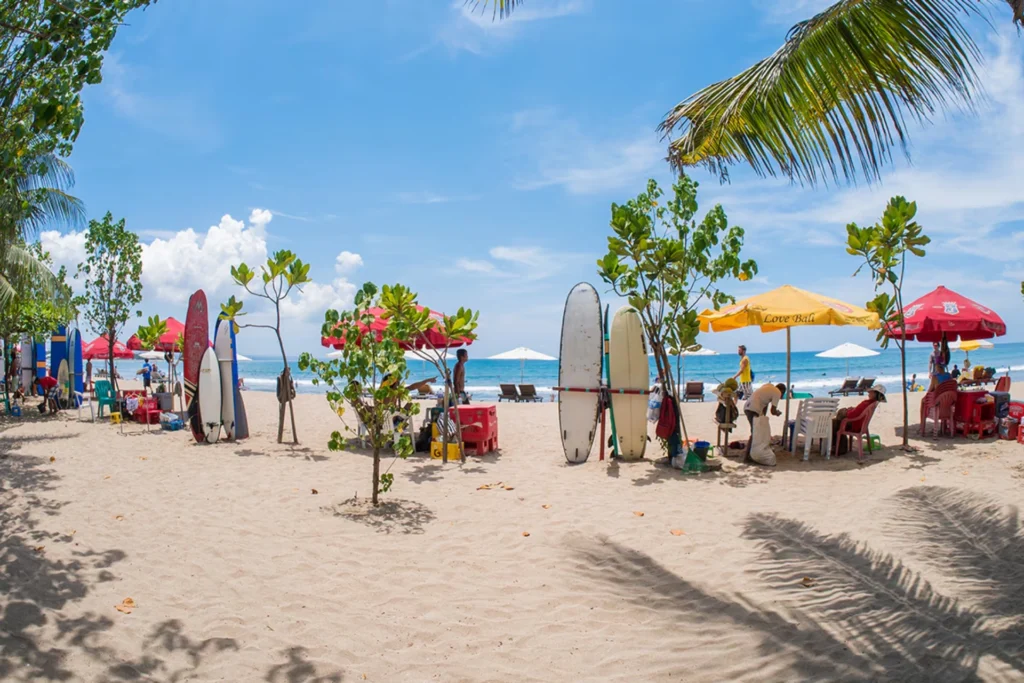
Dry season months in Kuta will feel very different from dry season in Kintamani, so here are a few tips to plan your trip right.
Coastal areas like South Bali (from Kuta to Seseh), Bukit Peninsula (Uluwatu, Nusa Dua, Pecatu), Benoa and Sanur will have that perfect weather with sunny days and no rain.
Uluwatu is probably the driest spot due to its landscape (limestone and rock formations underneath).
Central Bali
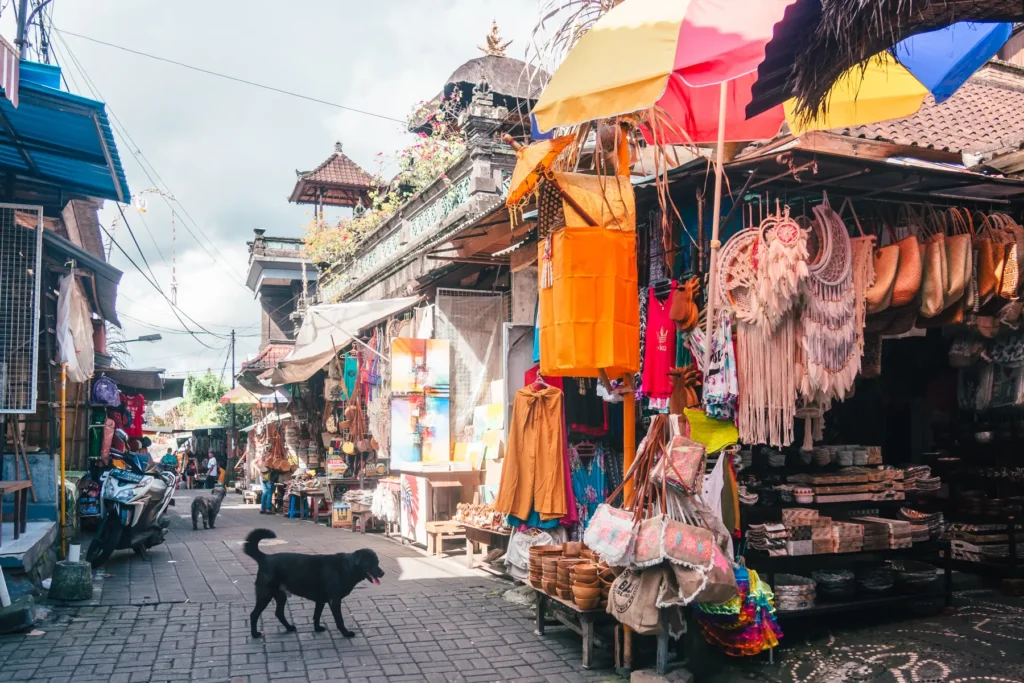
However, mountain areas like northern Tabanan, Sidemen, Bedugul, some parts of Ubud, and Kintamani (Mt Batur) will have cooler temperatures, typically ranging between 20°C and 27°C, with morning fog, chilly evenings, and a bit more rainfall.
So, the dry season in Central Bali will be a great time to go play golf at Handara, visit Jatiluwih rice terraces, wineries, coffee farms, book that cabin in the mountains you wishlisted, or stay at a hot spring resort in North Bali.
It is a different Bali that you rarely see on Instagram, but it is just as beautiful.
What To Pack For The Dry Season In Bali

Loose-fitting, breathable clothing is king, no matter the season in Bali.
Pack shorts, T-shirts and tops and something covering knees in case you are going to visit temples and sacred sites.
Couples, bring a fancier outfit! There are so many amazing restaurants for a date night, and you will want to look cute.
Don’t need to bring lots of shoes: flip flops and sneakers (for riding and day trips), and nothing made with hard-to-care-for materials like suede.
Coming with kids, pack things that are easy to wash and dry quickly, as many fruits can stain, and outdoor activities will get messy!
Swimwear and a cover are a must! You will spend days by the pool, beach club, or island hopping, and while you can buy a very nice sarong in Bali, swimsuits can be quite pricy here.
Best Things To Do In Dry Season In Bali
Scuba Diving & Snorkelling

If not to get fully certified (it takes just a few days, by the way), you surely need to do a few dives with a local guide to explore one of the world’s best and most important reefs and marine life.
Bali’s East and North shore and Nusa Penida are the best places to do so, and the summer months offer the best opportunity with relatively calm seas.
Off-season (September and October) is best for diving.
Ubud Writers and Readers Festival

Annual gathering for writers and creators in Ubud that’s been happening since 2004!
A four-day festival is usually held end of October and has a theme, for example, in 2025 it was the unity of human beings with the Universe.
Over the 4 days, you can attend workshops, keynote presentations, and book launches. A multi-day pass is usually about 550 AUD and doesn’t include special day tours.
Galungan & Kuningan
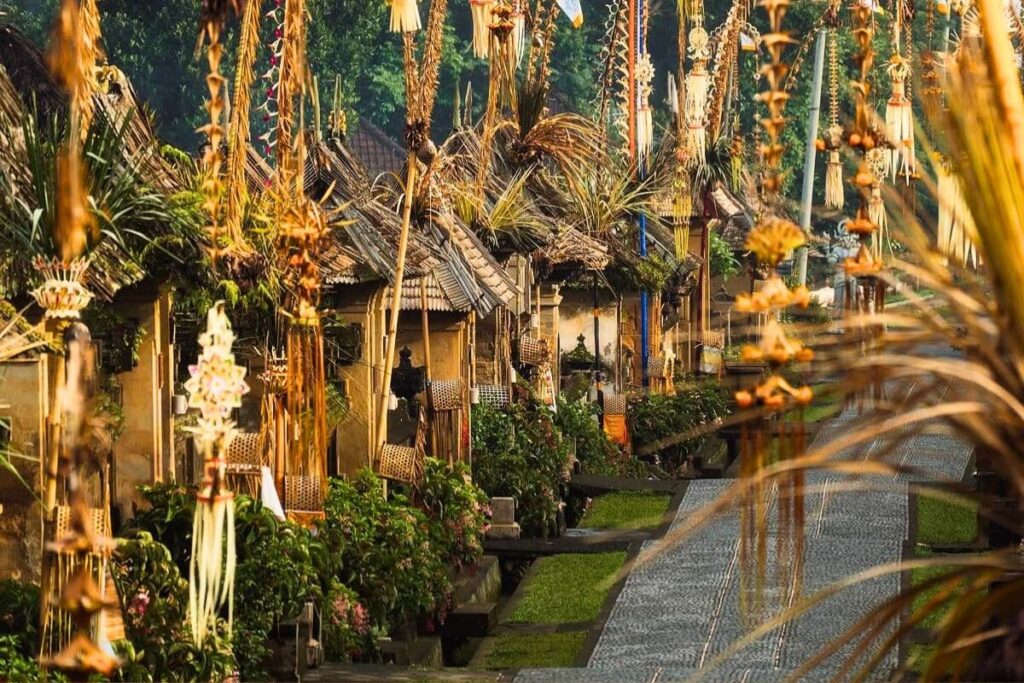
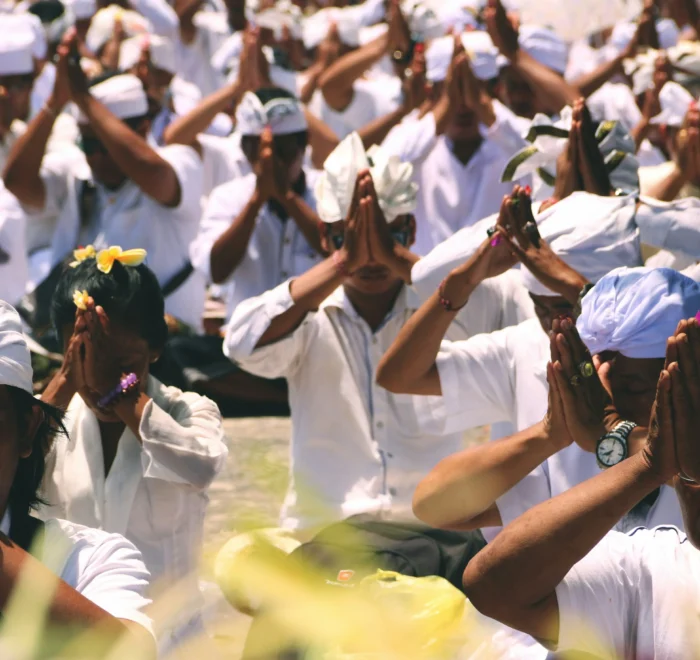
The 10-day celebration of ancestors is one of the most important festivities for Balinese people. Happening every 210 days according to the Balinese calendar, some years you can witness it once or twice!
In 2026, Galungan will be on 25th March and Kuningan will be on 4th April, while in 2027, both will fall on August.
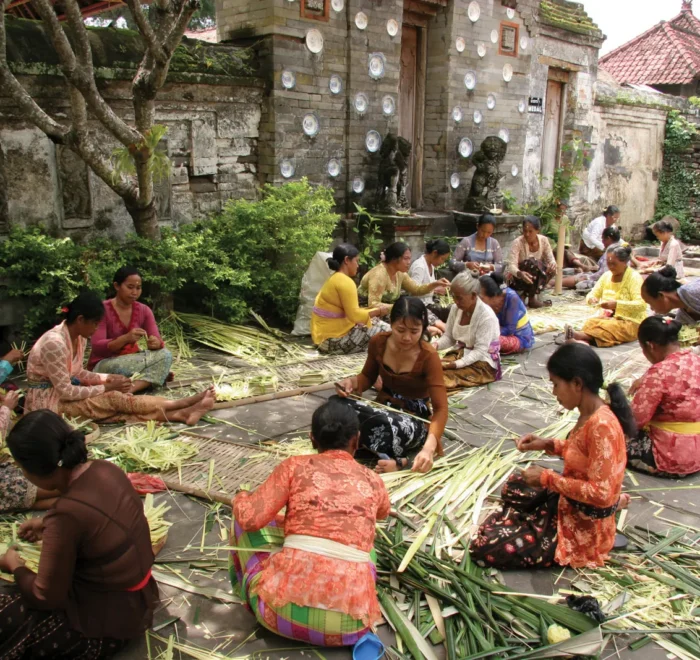
Tourists will see offerings and colourful penjors (tall bamboo poles that look like a dragon’s tail) set up in front of every house that welcome spirits of ancestors, parades, ceremonies, kids on the streets dressed as Barong dragon, dancing and playing music, and so much more!
Ubud Food Festifal
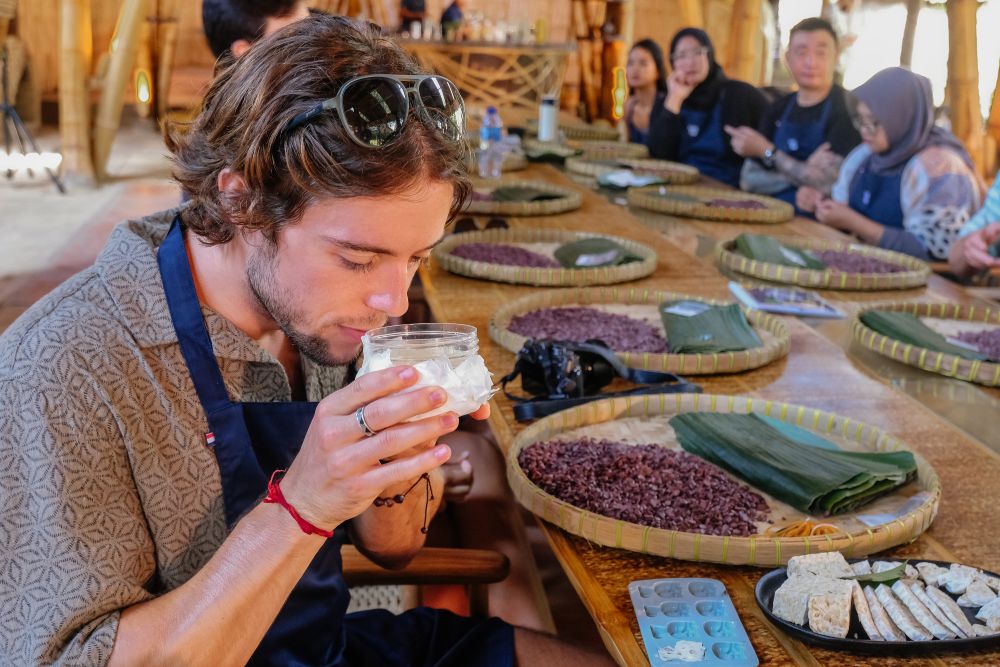
Usually held in June, Ubud Food Festival is a three-day-long celebration of all types of Indonesian food, from traditional to the most modern, as well as Bali-produced cheeses, chocolate, coffee, and Arak alcohol.
Beyond tasting, you can also join masterclasses, lectures, games, and live music events. It is free to visit the vendors, but if you want to participate in tours or workshops, you will need to buy a ticket in advance.
Tenganan Festival
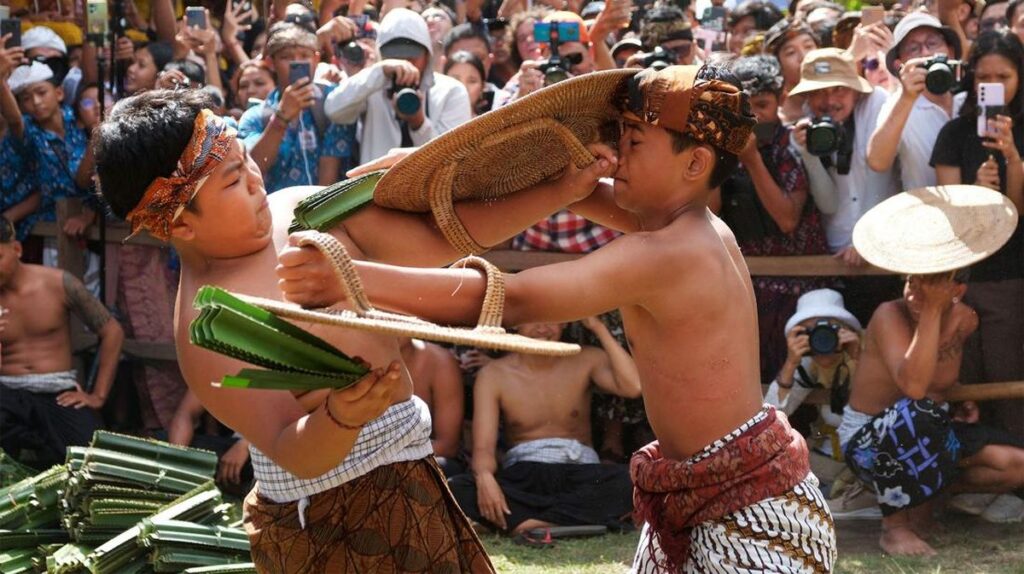
Tenganan is one of the oldest traditional villages in Bali, where indigenous Bali Aga people still live and carry out their century-old traditions.
It is open for tourists, and every year they also have a festival where you can see unique games and ceremonies practised only here, like the Perang Pandan war game between young men coming of age, or the Manyunan swing ritual performed by young women.
Dates are usually around June or July.
Bali Kite Festival In August
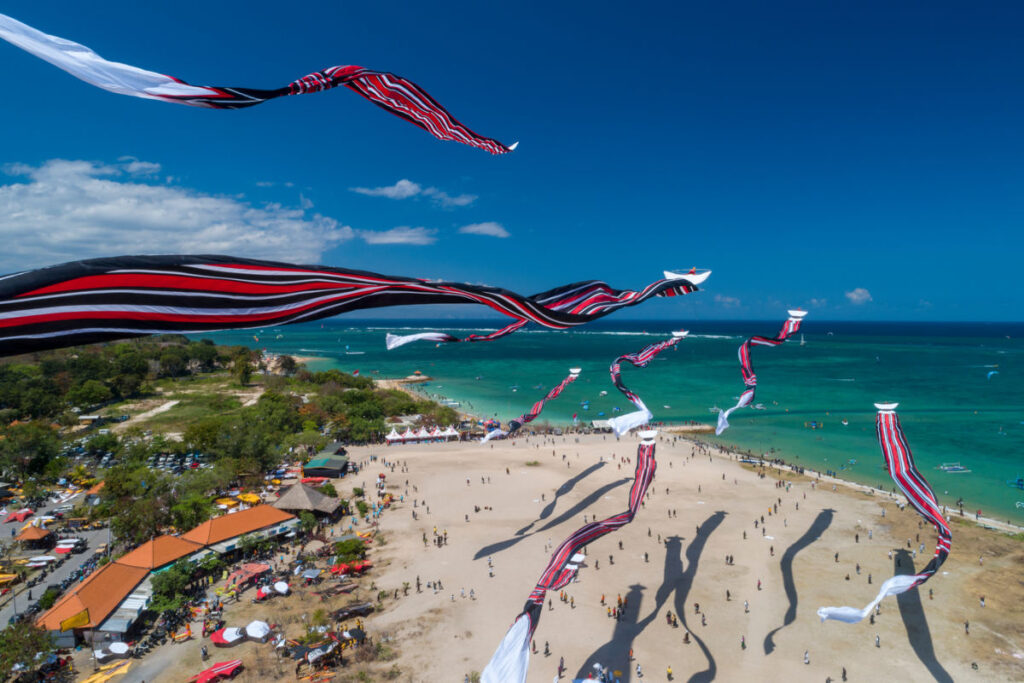
Clear skies of the dry season mean one thing – it is time for Indonesians’ favourite activity, no matter the age – flying a kite!
To see the longest, most elaborate and stunning kite designs, you have to visit the Kite Festival in Sanur.
It is hard to know in advance when it will happen, as it requires perfect wind conditions, but usually it is in August.
Bali Arts Festival In June/July
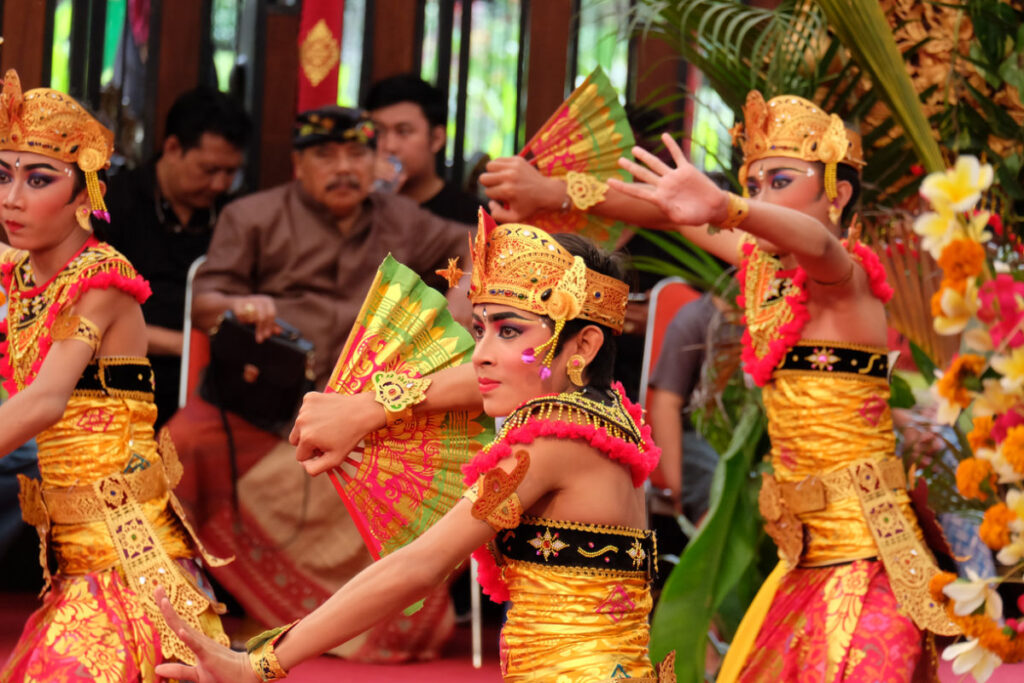
For a whole month (mid-June to mid-July) you can see daily performances of dance, poetry, and music, art exhibitions, try local delicacies and explore all the pavilions of the Werdhi Budaya Art Centre.
Most events are free, but some may require a ticket (affordable).
Indonesia Independence Day In August
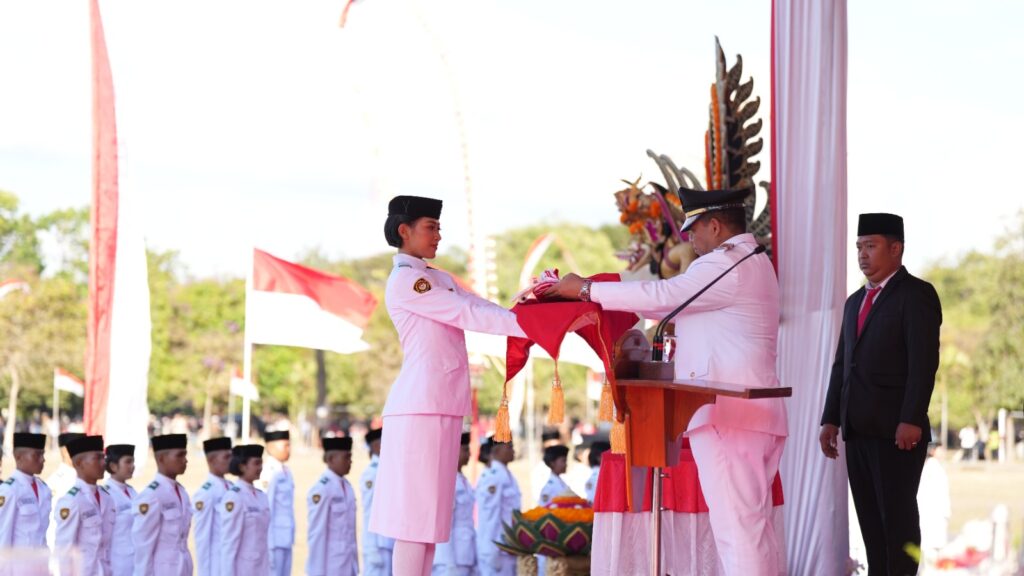
On August 17th, the whole nation gets together to celebrate one of the most important milestones for the country.
However, the whole month from mid-July to mid-August, there will be events, parades, crazy discounts in many boutiques, and facades will be decorated with the national flag.
Best Weather For Hiking
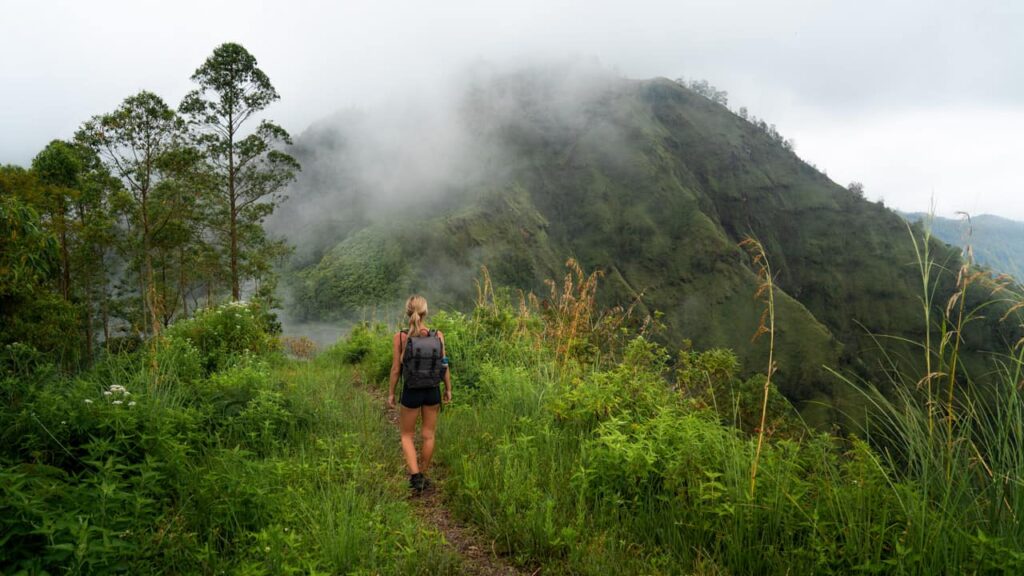
Dry season is the best time for outdoor activities and especially hiking, canyoning, and visiting waterfalls. Dry weather means easy access to even remote locations, no landslides, muddy roads, or flooding.
The highlight is, without a doubt, the sunrise hike to the Mount Batur summit, treks to Batukaru mountain, Abang, and Agung (if you’re experienced enough).
Waterfalls in Gianyar and Munduk are incredibly beautiful, think cascading Kanto Lampo, the tallest Sekumpul, or cave-framed Tukad Cepung waterfalls.
Surfing & Beach Activities
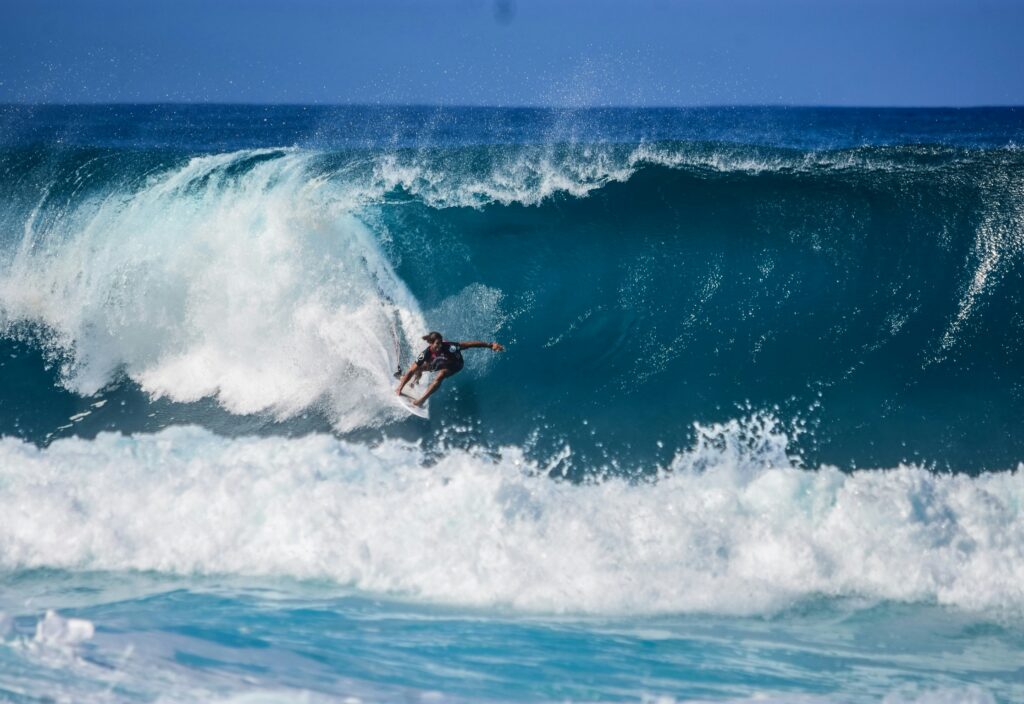
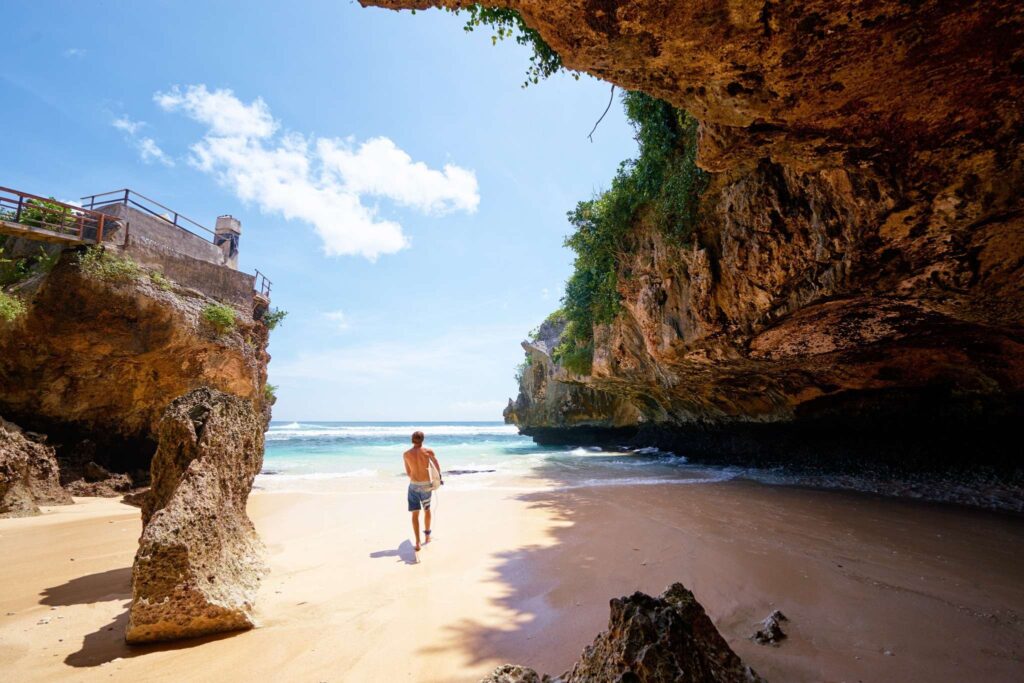
The dry season is the beach and surf season in Bali. Western coasts, from Uluwatu to Balian, have fantastic swells and thousands of beginner and advanced surfers rush to catch those perfect waves.
The water is also the cleanest during the dry season, so it adds to a better experience.
For swimmers and beach bums, dry season is a gem, too. The East Coast will have amazing sandy beaches; the further East, the fewer crowds.
Visit Bali’s Best Beach Club – FINNS

Two birds with one stone? Beach, sun, views, and poolside sips – yes, you can easily find all this and more at FINNS – the jewel in Canggu’s nightlife crown.
Add to this daily party with resident and international DJs, 7+ kitchens, and all-day good vibes, and you may just have found your happy place in Bali!
Where Is It? Jl. Pantai Berawa No.99, Canggu, Kec. Kuta Utara, Kabupaten Badung, Bali 80361, Indonesia
If It Is Raining…

When it does rain during the dry season, it finally gives you an opportunity to hit all these coffee shops and boutiques on your list, or you should indulge in a full day at a spa!
For ex., The Calma Spa Bali has a mind-blowing 6-hour package for the ultimate pampering, tons of creative workshops from painting to perfume making located in Canggu and Seminyak, amazing art museums in Ubud, and massive indoor theme parks in Denpasar and Sanur.
Not to mention, world-class shopping malls and movie theatres. Even if you have one rainy day, you will have a hundred options to not get out of the hotel.
Where To Stay In The Dry Season in Bali
Canggu

The area is best for solo travellers, digital nomads, and young couples who love high-quality nightlife, shopping, and restaurants.
FINNS Resort, expected to open in 2027, will be the ultimate traveller paradise in the heart of Canggu with access to the best entertainment, dining, and beach just minutes from the property.
Ubud

Cultural and spiritual capital on Bali with cooler weather and most insights in Balinese culture, with its vibrant markets, outstanding cooking and yoga classes, palaces and temples to visit and take part in purification rituals.
Nature is also so abundant and green around Ubud, you can walk through valleys and rice paddies, visit iconic Tegalalang rice terraces, and secret waterfalls.
It will also be a great starting point to explore Central Bali and the Northern regions.
Uluwatu

If you love beaches and surfing, Uluwatu has to be your home base.
Year-round stunning sunsets, blue skies, consistent waves, some of the best and cleanest beaches around Bali with towering limestone cliffs and lush greenery – all that and more is Uluwatu.
Despite it being so popular, there are still lots of small roads to explore, leading through dense jungles to small villages and secret beaches.
Candidasa
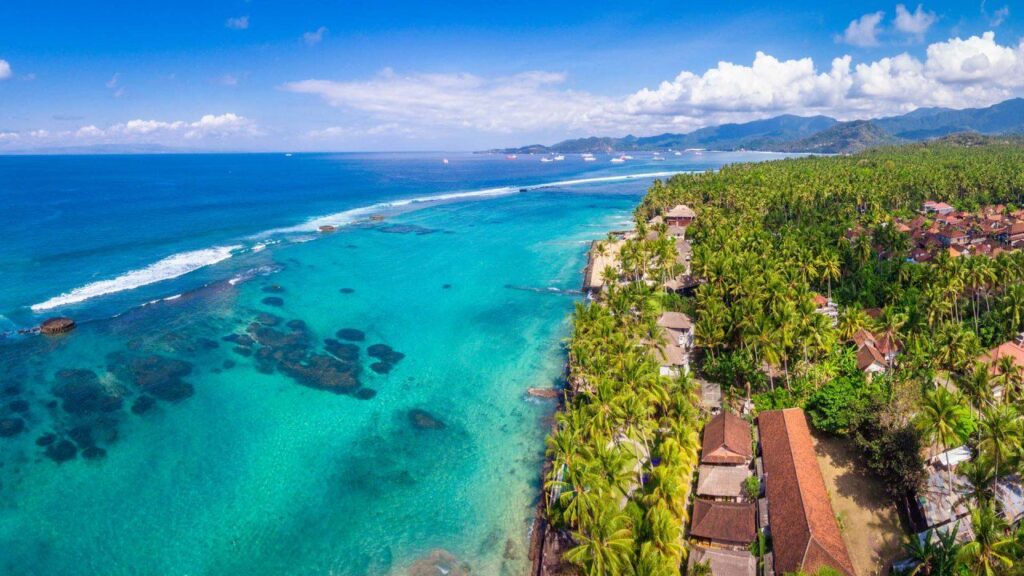
If you want to disconnect from everything and everyone, or you are planning a honeymoon, East Coast spots like Candidasa, or more inland Sidemen, will be your best bet.
Both areas have adults-only resorts offering privacy, personalised service, and all facilities on site, from spa to dining and tour bookings.
Travel Tips For Visiting Bali During The Dry Season
- If you are coming during the busiest months (June to August), plan ahead and book tickets, hotels, and Bali experiences in advance. Chances of rain are slim, but chances of being priced out or simply having no decent options for hotels/drivers left are high.
- Bring sun protection and mosquito repellent. Although, dry season is slightly cooler, the UV index will still be extremely high, plus there will be days with no clouds at all! Bring a hat as well, or buy a cute one now in Bali.
- Stay hydrated. Dry weather and hot temperatures are tough on our bodies, especially if you go hiking or sunbathing.
- If staying around Uluwatu or Nusa islands, double-check with the host or hotel that they don’t have water shortages during the dry season (a common issue in these areas due to droughts)
FAQs
What Is The Best Month To Go To Bali?
March, April, May, September, and October (low season) are the best months to travel to Bali because you can get lower prices, less rainfall, fewer crowds, and still enjoy perfect weather, cultural festivals, hiking, beaches, and check out trendy cafes.
What Is The Driest Month In Bali?
July is the driest month in Bali, with barely 40-50 mm of rainfall. June, August, and September are close, too, with average rainfall just about 50 mm.
What Is The Wet Season In Bali?
Bali’s rainy season stretches from November to March and brings tropical rain showers, high humidity, and hot temperatures. December and January have more rain than any other month.
Months like December and January are usually high season and the busiest time, as many tourists escape winter in their home countries or come for the Christmas holidays.
Final Thoughts On Bali Dry Season
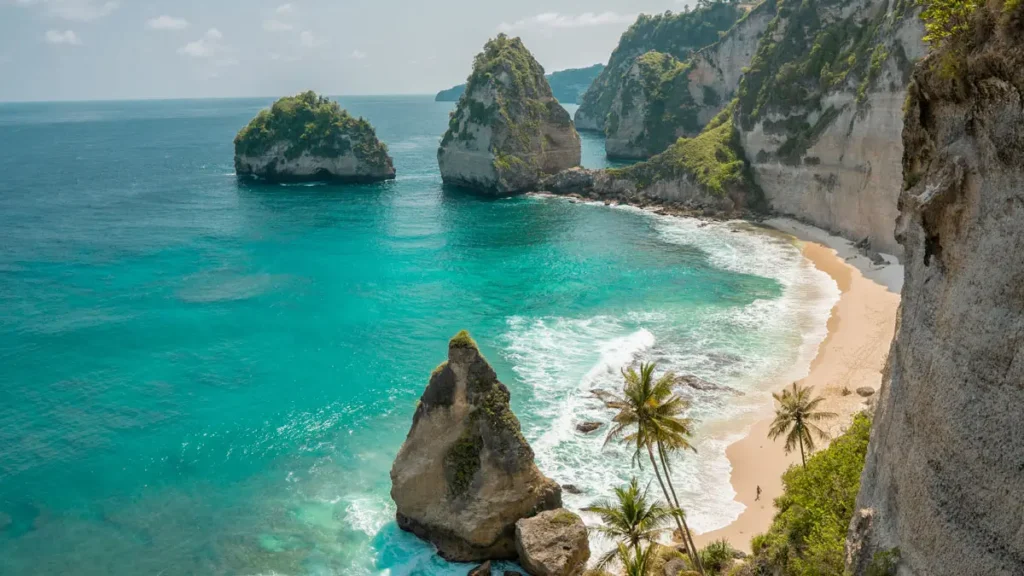
Dry season in Bali really shows the best the Island of Gods has to offer, from surfing to cultural performances – you will simply not get enough!
Perfect weather, cleanest beaches, long beach days. If that sounds like your kind of vacation, make sure to book ahead to beat the crowds hungry for their own slice of paradise.