Bali is one of those places everyone thinks they already understand: beaches, temples, yoga mats, monkeys stealing sunglasses. But the island is far more complex than the stereotype.
Peel back the tourism layer, and you find an ancient culture, a unique religion, languages you won’t hear anywhere else, rare wildlife, dramatic history, deep oceans, black sand beaches, and stories that swing between spiritual, strange, and downright unbelievable.
These facts give a clearer picture of Bali beyond surf and cocktails. Some are cultural, some historical, some scientific, and others are just fun bits of trivia that most visitors never hear about.
If you’re curious about Bali, planning a trip, or you simply want to know more about the island than the average traveller, read on – this might change how you see Bali entirely.
TL;DR, Summary Of Facts About Bali
- Bali is a province of Indonesia with its own language, religion, calendars, and cultural systems that are distinct from neighbouring islands.
- The island has a long and complex history shaped by ancient kingdoms, colonial rule, war, tourism, and deep-rooted traditions that still guide daily life.
- Bali’s natural environment includes active volcanoes, black sand beaches, rare wildlife, deep ocean trenches, and some of the most biodiverse marine ecosystems on Earth.
31 Facts About Bali:
Why Is Bali Called Bali?
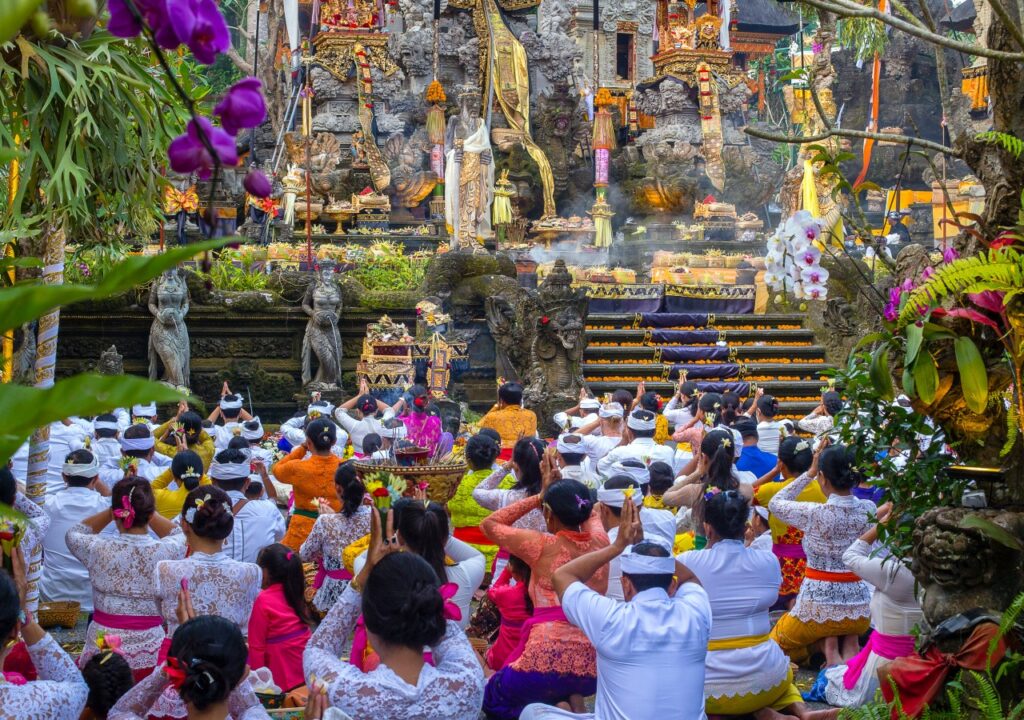
Bali takes its name from ancient Sanskrit. The word “Bali” is linked to the Old Javanese term “Wali” or “Bebali,” meaning offerings, prayers, and ceremony. It fits the island perfectly – religion and ritual shape daily life here, and Bali’s identity has always been tied to spirituality.
The earliest written references to the name appear on copper inscriptions from around the 10th century, showing that Bali has carried some version of this name for more than a thousand years.
Today, when people think of Bali, they think culture, temples, beaches and nature – but at its root, the name literally reflects the island’s deep connection to devotion and ritual.


Bali Is Not A Country, But A Province Of Indonesia
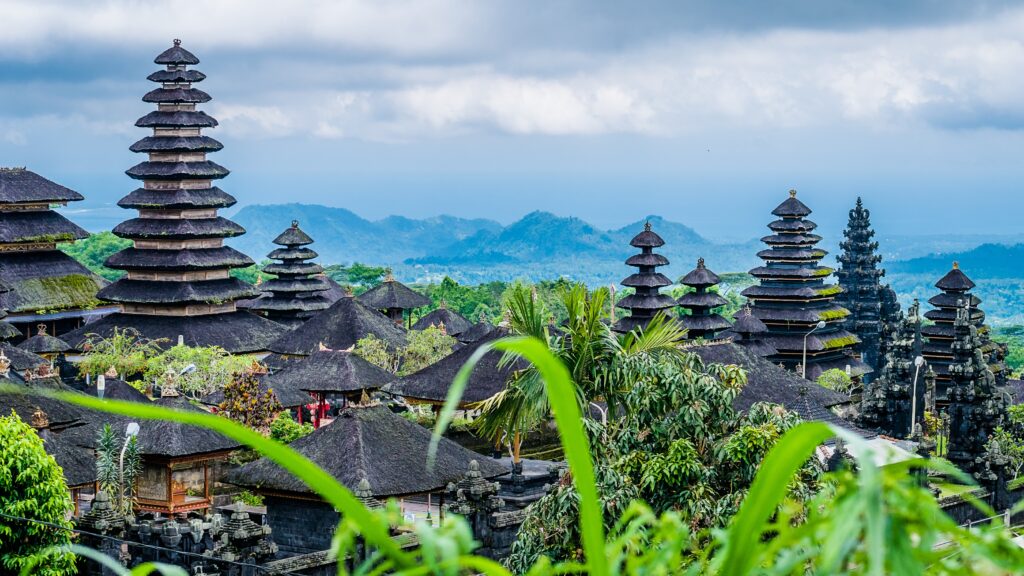
Bali gets talked about like its own country all the time, but it’s actually one province within Indonesia. The Indonesian archipelago is massive – more than 17,000 islands stretched across a distance wider than the USA – and Bali is just one piece of it, albeit arguably the most famous island province of the nation.
Bali has its own government, which forms part of the main Indonesian government and follows Indonesian law.
Because Bali looks and feels so different to the rest of the country, people often assume it stands alone. It doesn’t. It’s proudly Indonesian and sits right between Java and Lombok in one of the most diverse nations on Earth.
Bali Consists Of Four Main Islands, Not One
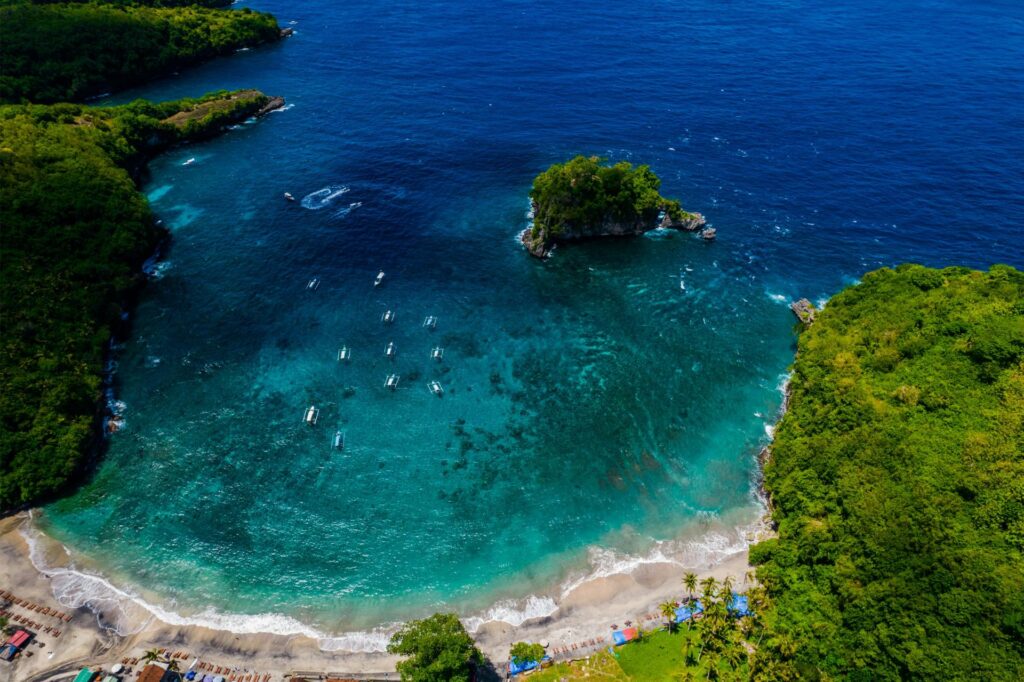
Most people picture Bali as a single island, but the province actually includes four main islands: Bali itself, plus the smaller islands of Nusa Penida, Nusa Lembongan, and Nusa Ceningan. Confusingly, those last three are all part of the wider Nusa Penida district, even though they’re separate islands.
As well as the four main islands, there is the small island of Mejangan off the northwest coast, as well as countless small islands and islets.
Together they create a province that covers around 5,780 square kilometres of land, scattered with dozens of much smaller offshore islets.
The Bali you see on postcards is usually just the biggest island in the group. Head south-east and you’ll find the Nusa islands – famous for cliffs, diving spots, manta rays, and rugged coastlines – reminding you that Bali is more than just one island; it’s a whole mini archipelago.
What Is The Population Of Bali?
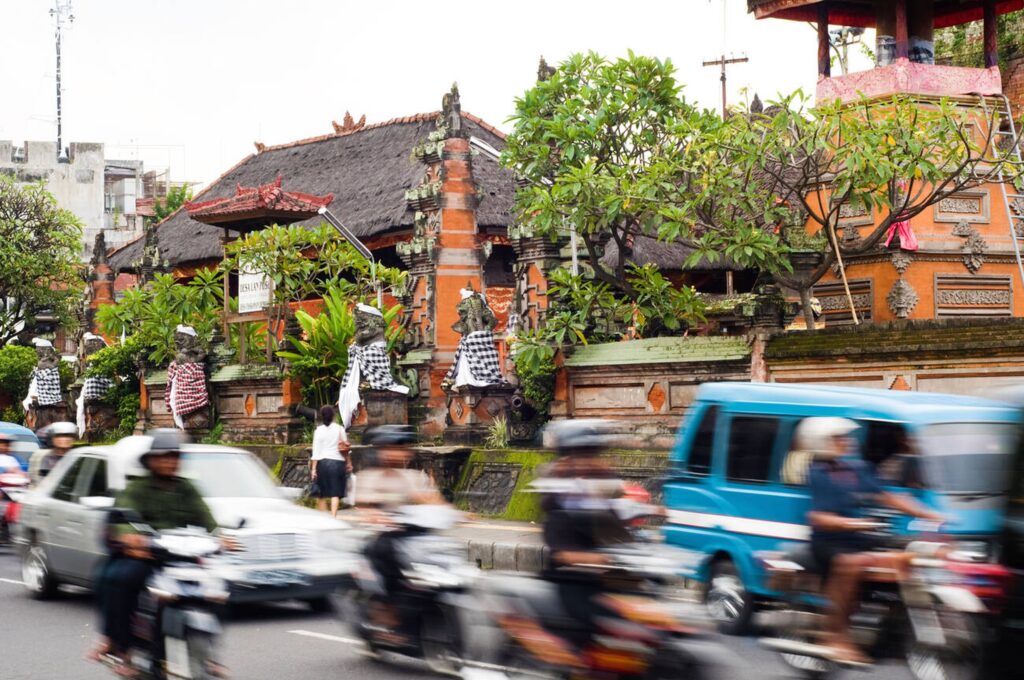
Bali’s population is around 4.3 million people, spread across an area roughly the size of Luxembourg. Most people live in the south around Denpasar, Badung, and Gianyar, where tourism, local business, and day-to-day life all collide.
The number also shifts a lot throughout the year, because on top of the residents, you’ve got hundreds of thousands of workers from other Indonesian islands, plus expats, plus the never-ending flow of tourists. Walk around Canggu, Kuta, or Ubud today,y and you’ll hear languages from every corner of the world.


Despite the tourism boom, most Balinese still live in village compounds, close to their families and local temples, keeping traditions alive.
Ethnic Balinese Make Up Almost 90% Of The Population.
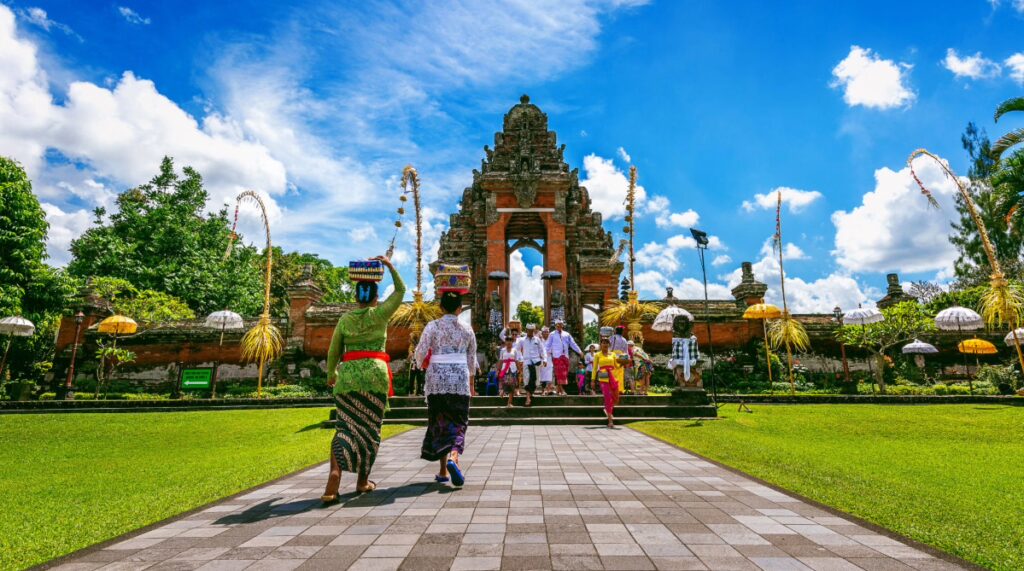
Although Bali welcomes people from all over the world, the island is still overwhelmingly Balinese at heart. Around 90% of the population is ethnic Balinese, and that majority shapes everything from religion and architecture to food, festivals and daily rituals.
But the entire island isn’t culturally one–note: Bali is also home to the Indigenous Bali Aga people, who live mostly in older mountain villages and still follow pre-Hindu traditions.
On top of that, many Indonesians from other provinces live and work here, especially Javanese and people from eastern Indonesia who come for hospitality jobs and tourism opportunities.
There is also a small number of Chinese Balinese, who, while only forming a small number of people, less than 1% of the island, have a significant influence in some cultural areas, particularly food and religion.
Add long-term expats and foreign business owners into the mix, and Bali becomes this fascinating blend of deep ancestral roots and a constantly shifting modern population.
Balinese Culture Is Different To Its Neighbours
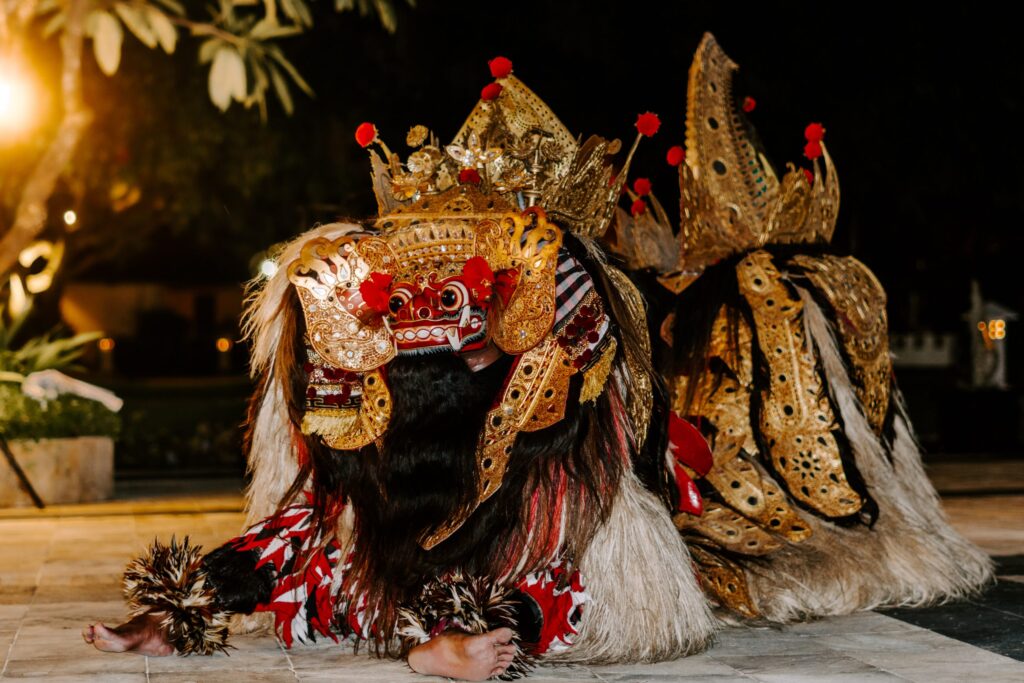
Balinese culture shares a lot with the rest of Indonesia, but it really does stand apart from its neighbours. Many cultural foundations here are rooted in Hinduism, which gives Bali a very different rhythm from nearby Java and Lombok, where Islam shapes daily life.
Balinese traditions place a huge focus on ritual, art, and philosophy, with dance, shadow puppetry, carving, and trance ceremonies all woven into island life. The architecture, music, caste traditions, and temple festivals feel uniquely Balinese, even though the wider culture still reflects Indonesia as a whole.
It’s this mix of shared Indonesian identity and strong, proudly maintained local customs that makes Bali’s culture so distinct and instantly recognisable to visitors.
Bali Has It’s Own Unique Religion
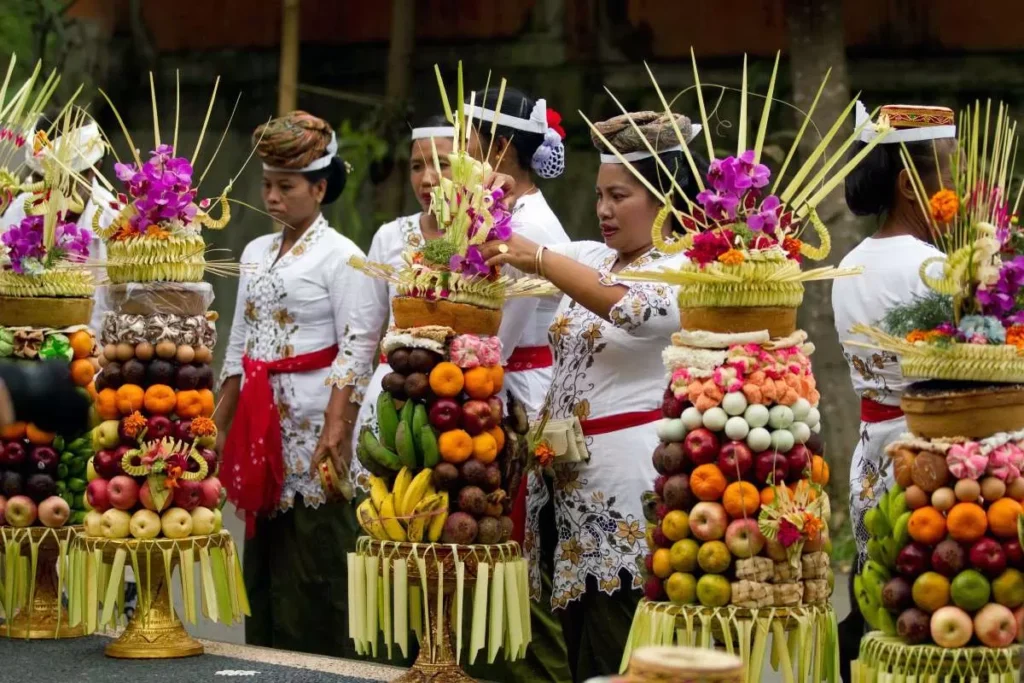
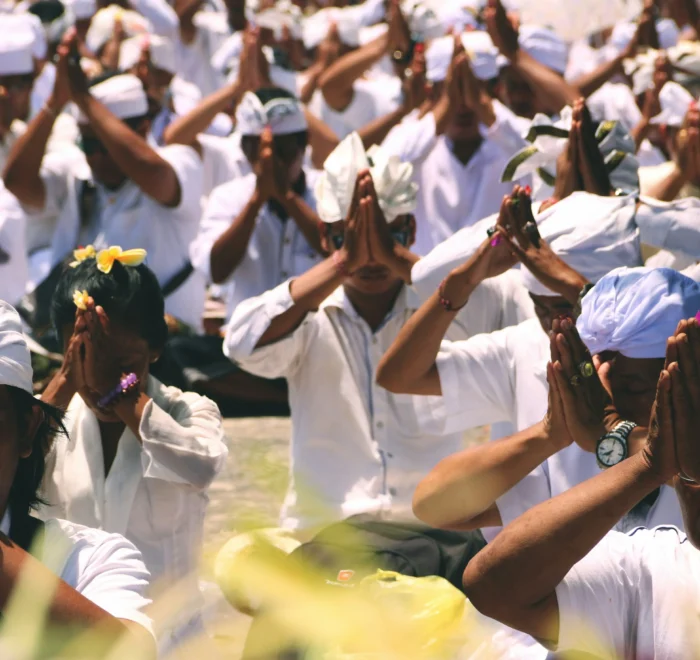
Bali is the only Hindu-majority island in Indonesia, and the form of Hinduism practised here is completely unique. Balinese Hinduism blends ancient local beliefs with elements of Buddhism and Indian Hinduism, creating something you won’t find anywhere else.
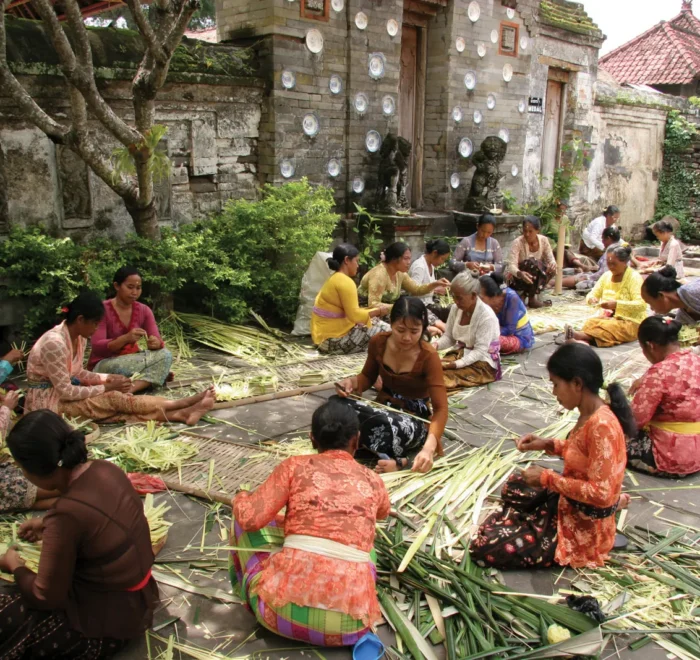
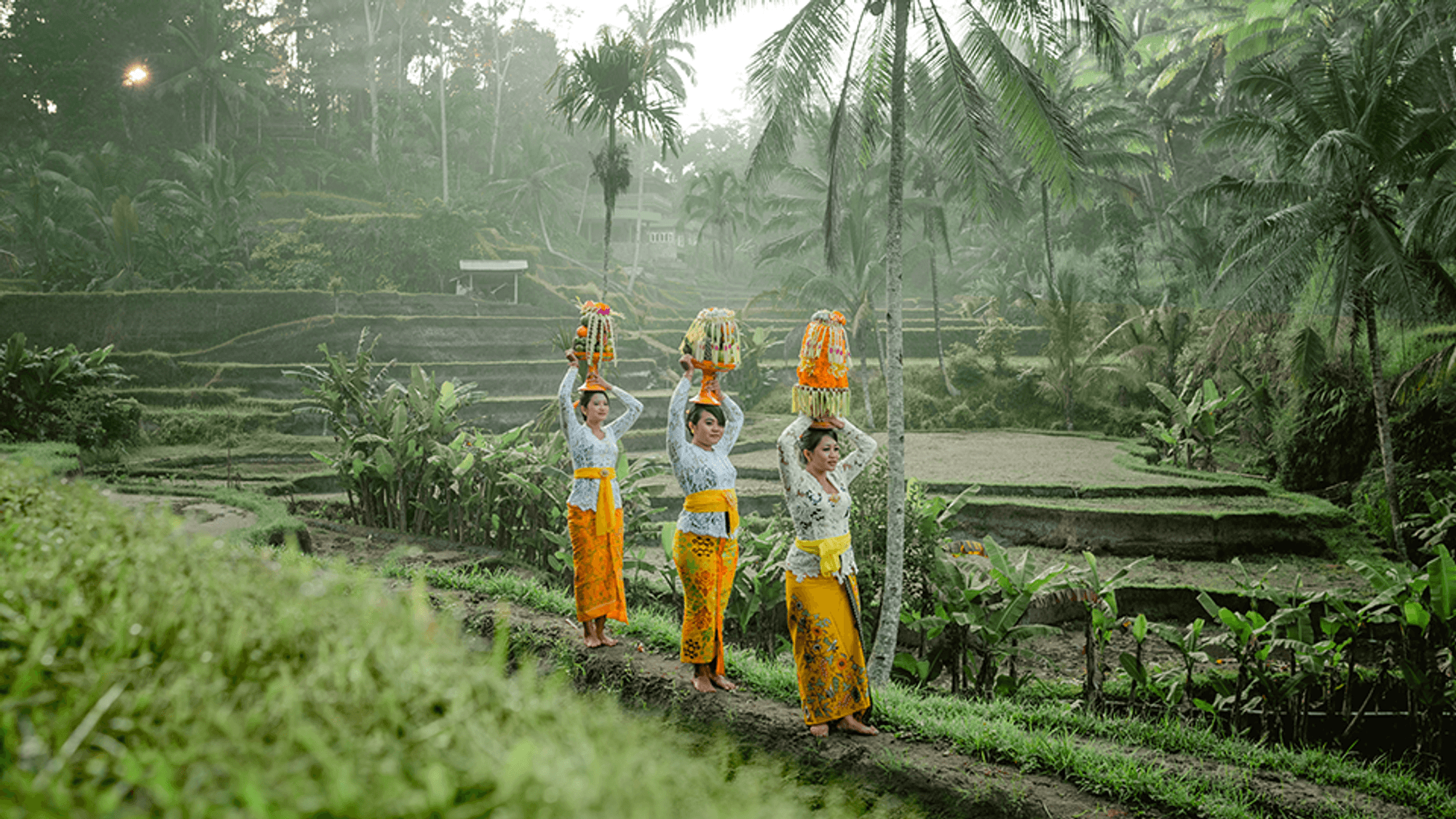
Daily offerings to ancestors and spirits are part of everyday life, and ceremonies fill the year rather than just key dates. It also shapes the island’s layout, architecture, and social structure, from temple design to village organisation.
This stands in strong contrast to the rest of Indonesia, which is overwhelmingly Muslim – including Bali’s closest neighbours, Java to the west and Lombok to the east. Religion here isn’t just belief; it’s literally the framework of Balinese identity and culture.
Two Calendar Systems Are Used In Bali

Two calendar systems run side by side in Bali, and they shape life on the island in very different ways.
The modern Gregorian calendar is used for government, business, tourism, and anything that needs to line up with the outside world. But alongside it is the Balinese Pawukon system – a 210-day ritual calendar filled with religious festivals, temple anniversaries, and spiritual ceremonies.
It doesn’t follow the sun or the moon, and it doesn’t match up neatly with months or years. Instead, it cycles continuously, creating a rhythm of life that feels completely separate from modern timekeeping.
This dual system reflects Bali perfectly: practical on the surface, deeply traditional at its core.
Bali Has It’s Own Unique Language
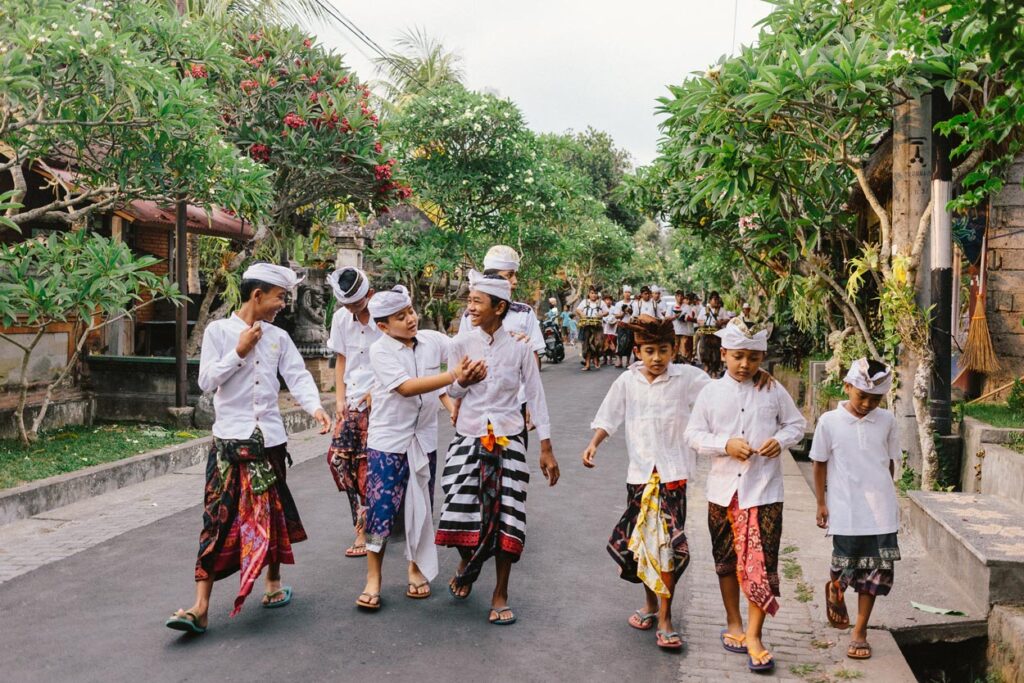
Bali isn’t just culturally distinct – it even has its own language called Balinese, or Basa Bali as it’s known locally.
While most Indonesians speak Bahasa Indonesia, a language closely related to Malay and part of the same wider language family as Tagalog, the Balinese language comes from a totally different linguistic branch.
It evolved on the island over centuries and is divided into several dialects, including highland and lowland forms, plus different social levels of speech depending on who you’re talking to.
It gives the Balinese people their own linguistic identity, even though most also speak Indonesian for school and government matters. Hearing Balinese spoken around village temples, markets, and ceremonies adds another layer to the island’s character.
Most Balinese Are Multilingual
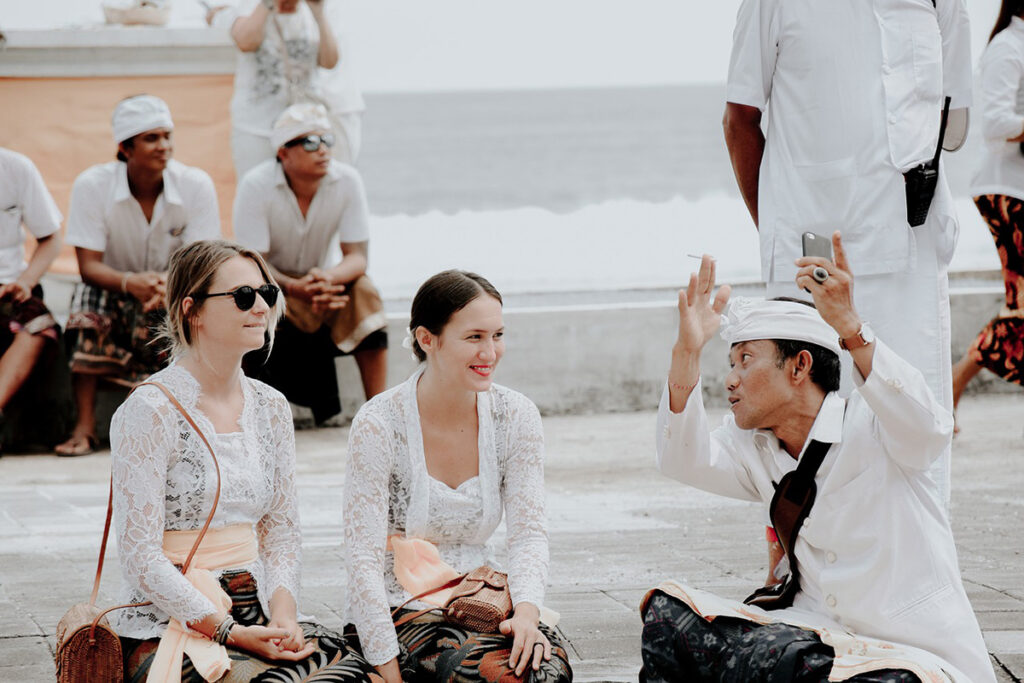
One of the coolest things about Bali is how multilingual the average Balinese person is. Most grow up speaking Basa Bali at home, then learn Bahasa Indonesia at school, which allows them to communicate with the rest of the country.
On top of that, many people in tourist areas pick up English naturally because of daily interactions with visitors – it’s not unusual to meet locals who switch between all three languages with ease. There are also smaller indigenous languages still spoken in certain villages, especially among the Bali Aga communities.
This blend of languages reflects the island’s mix of deep tradition and global connections, and it’s a big part of what makes travelling around Bali so easy and interesting.
How Old Is Bali?
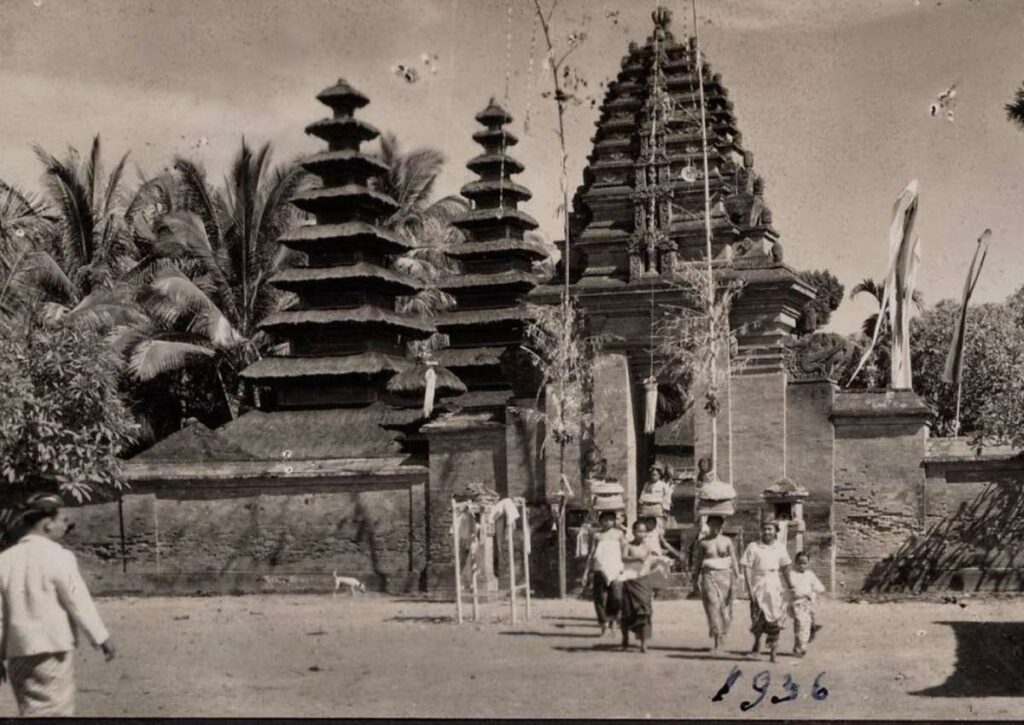
Human history in Bali stretches back a very, very long way. Archaeological finds show that people have lived on the island for at least 45,000 years, long before recorded history began.
Culturally, Bali’s identity took shape around the first millennium AD, when Hindu and Buddhist ideas arrived from India and Java, eventually leading to the rise of Balinese kingdoms. Many of the island’s core traditions, dances, beliefs and social structures date back hundreds of years to this period.
So while modern Bali feels energetic and youthful, the island itself is ancient, with deep roots that help explain why it has such a strong cultural identity today.
What Is Bali’s Nickname?
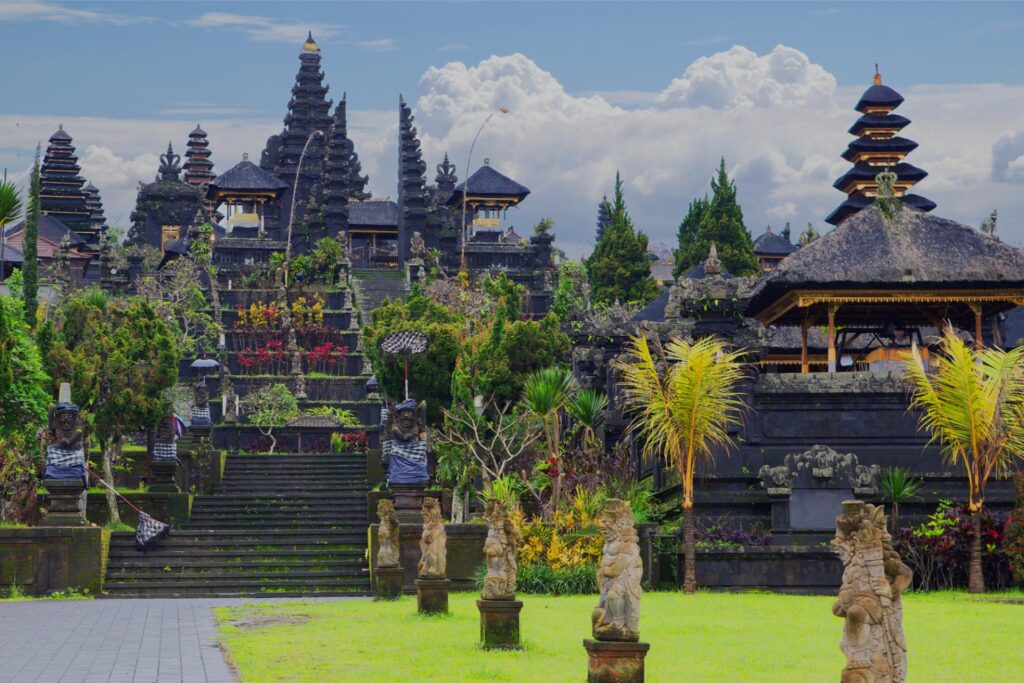
Bali’s most famous nickname is The Island of the Gods, and once you arrive, it makes perfect sense. Shrines sit on street corners, offerings line footpaths every morning, and sacred temples appear in almost every village.
You’ll also hear Bali referred to as The Island of a Thousand Temples, which is actually quite an understatement – there are tens of thousands of temples across the island. Another nickname sometimes used is The Last Paradise, a nod to Bali’s natural beauty, relaxed lifestyle, and strong cultural identity.
These names highlight different sides of the island, but all hint at the same thing: Bali feels magical in a way that’s hard to put into words.
Tourism Is Important For Bali
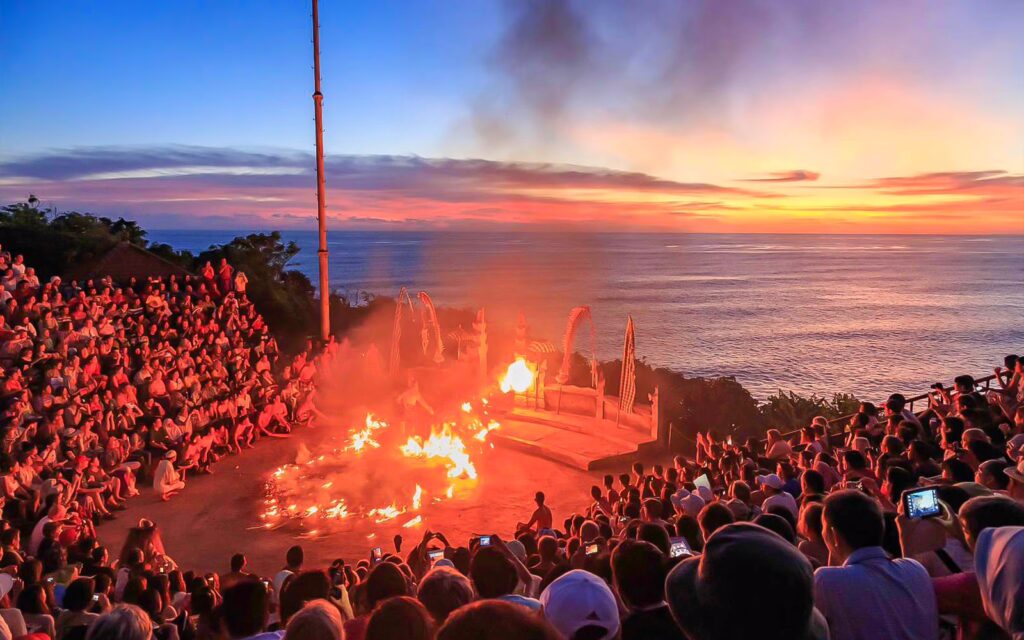
Tourism is the backbone of Bali’s economy, contributing around 80% of the island’s income. Farming and traditional crafts still matter culturally, but they simply can’t sustain a population this size, especially with limited land and resources.
Bali’s rapid development over the past decade has been driven almost entirely by tourism demand, from new hotels and beach clubs to roads and airports. Many workers in the industry actually come from nearby islands, particularly Java, where jobs are harder to find.
When COVID-19 shut borders, Bali’s economy took a major hit, highlighting just how dependent the island is on tourism.
Today, tourism is booming again, and Bali remains one of the most popular tourist destinations in Southeast Asia. In terms of who visits Bali, Australians have long been the biggest group, followed by Chinese tourists, who consistently rank among the top source markets with millions choosing Bali for their holidays, while India and several European countries also contribute significantly to the island’s visitor numbers.
Bali Has An Unbelievable Number Of Temples
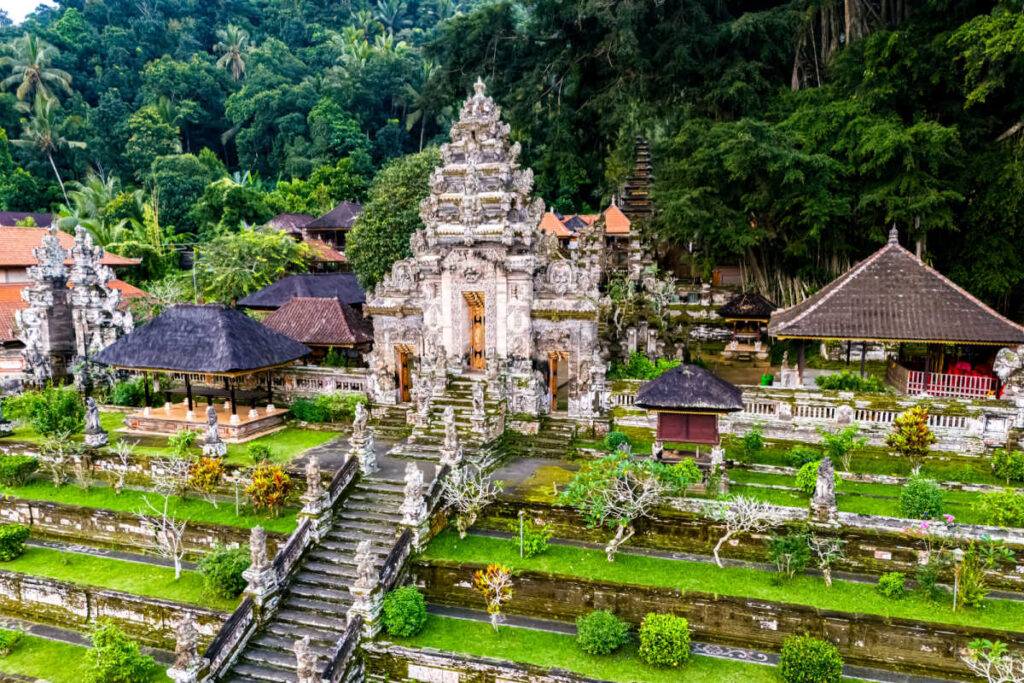
Bali is often described as having “a temple for every home,” and that isn’t far from the truth.
The island’s population is deeply religious, and every village contains numerous temples, shrines, and family compounds dedicated to Hindu deities and ancestral spirits.
Estimates vary, but most agree Bali has at least 10,000 temples, and possibly many more if you include the tiny shrines tucked into rice fields, forests, beaches, and busy streets.
You can find temples in every corner, from the beaches to Bali’s central mountains, and even on the Nusa Islands. While some temples, like Besakih and Tanah Lot, are famous tourist destinations, others are small, local places of worship rarely seen by visitors.
Bali Has Two Active Volcanoes
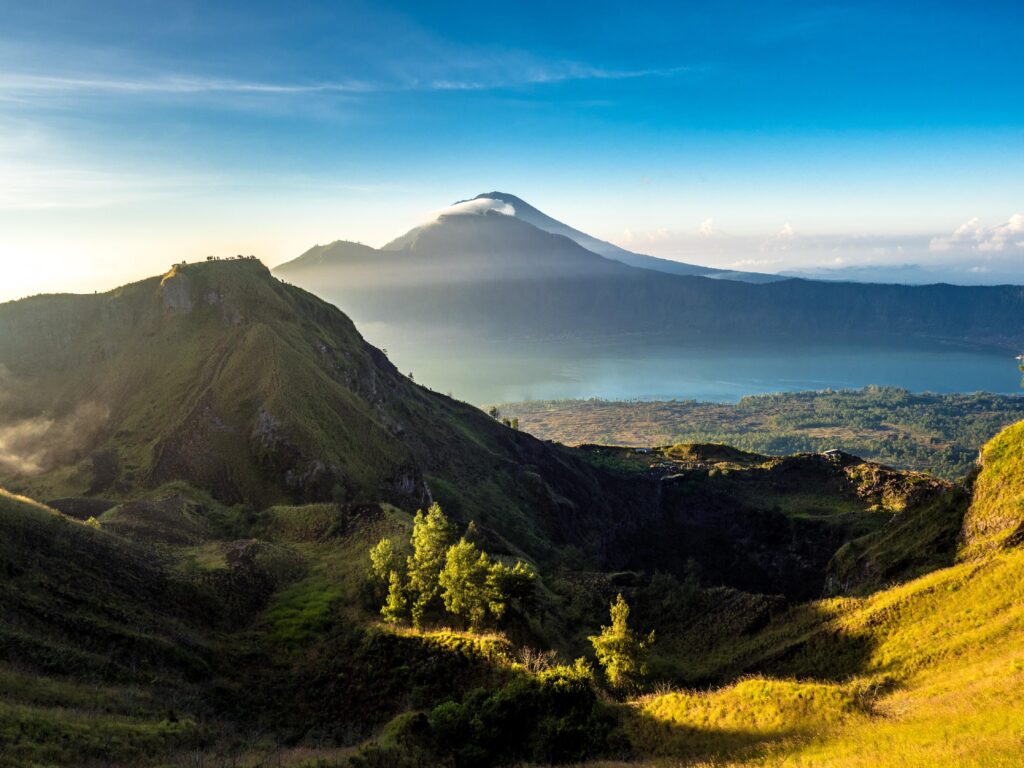
Bali’s landscape is dominated by two active volcanoes: Mount Agung in the east and Mount Batur near the island’s centre. Agung is the most sacred mountain in Bali, and last erupted in June 2018, sending ash into the sky and disrupting flights, but without major long-term damage.
Although these volcanoes are active, they’re constantly monitored, and the risk to visitors is extremely low. Sunrise treks up Mount Batur are hugely popular, while Agung stands as a towering reminder of the island’s raw geological power.
There are other volcanoes on Bali too, but they’re considered dormant, adding to the island’s rugged mountain backdrop without posing any threat.
Many Of Bali’s Beaches Have Black Sand
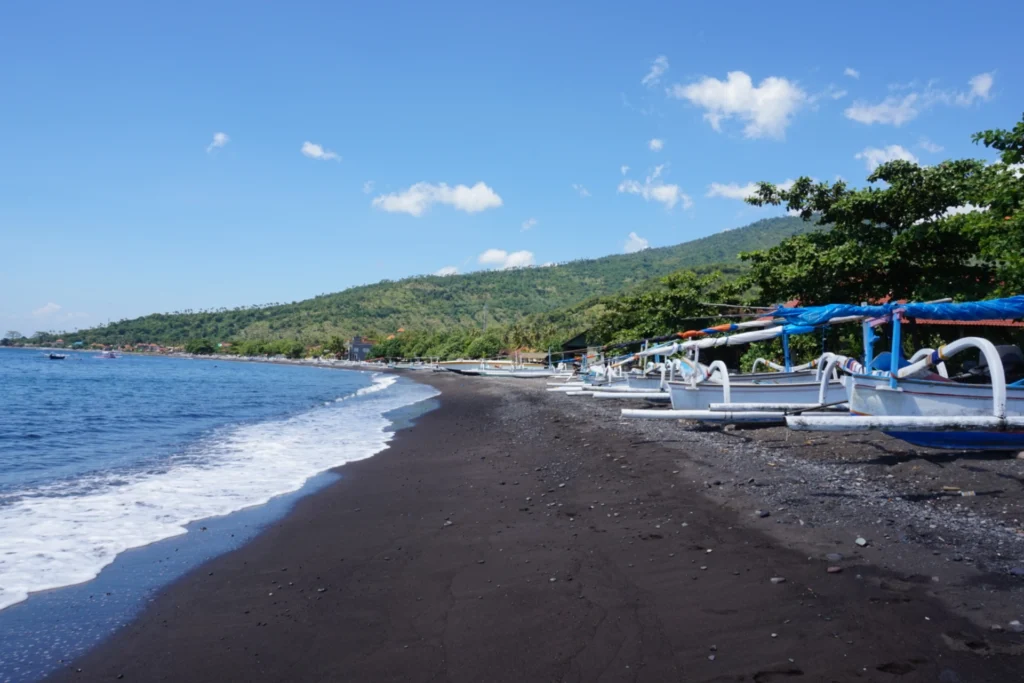
Bali is a volcanic island, and as such, the volcanoes have shaped the look of many of its beaches. When lava and volcanic rock from past eruptions reached the ocean and eroded over time, they formed stretches of dark, mineral–rich sand.
While Bali is famous for classic white–sand beaches, they’re not the only kind to be found; in fact, black sand beaches are found all over the island. Well–known examples include Amed Beach in East Bali, showered with rocks by Mount Agung over the course of history. Munggu Beach in South Bali is another classic example. Many smaller coves and villages have black sand too.
These beaches tend to feel quieter and more dramatic, and the darker sand can become surprisingly warm under the sun, a simple but striking reminder of Bali’s volcanic roots. Whatever you’re looking for, you’ll find no shortage of stunning beaches on your Bali trip!
The Bali Bombings
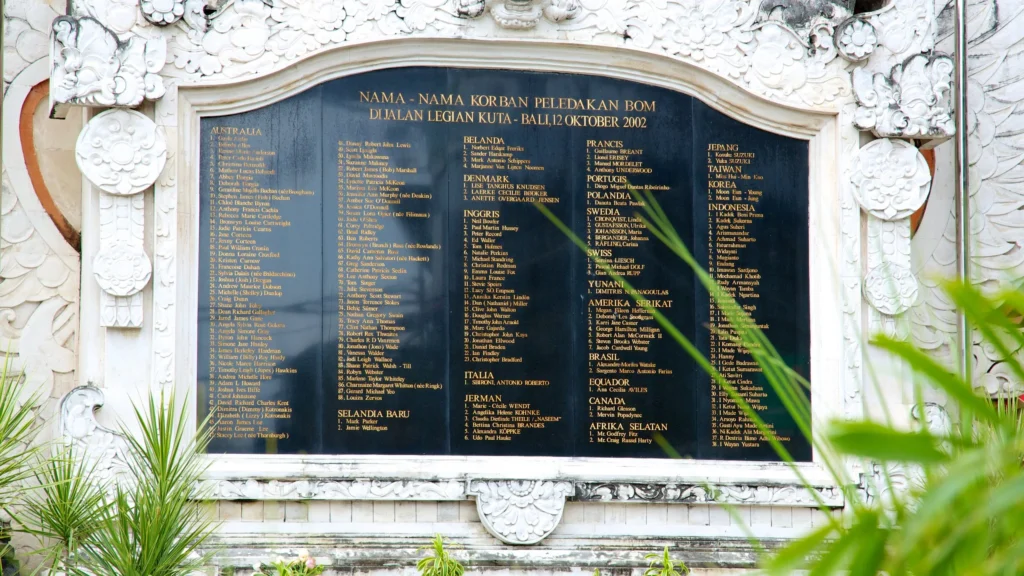
The Bali bombings are a major part of the island’s recent history. On the night of October 12, 2002, coordinated attacks in Kuta killed more than 200 people, most of them young tourists out enjoying the nightlife. A smaller attack followed in 2005.
The tragedy shocked Indonesia and the world, and it changed Bali in lasting ways: security was tightened, emergency response systems improved, and tourism took time to recover. More than 20 years on, Bali is a very different place.
A memorial now stands in Kuta to remember the victims, and despite an initial blow to Bali’s tourism industry, the island has been rebuilt into one of Southeast Asia’s safest and most welcoming destinations.
Bali Has A Reputation For Haunted And Creepy Places
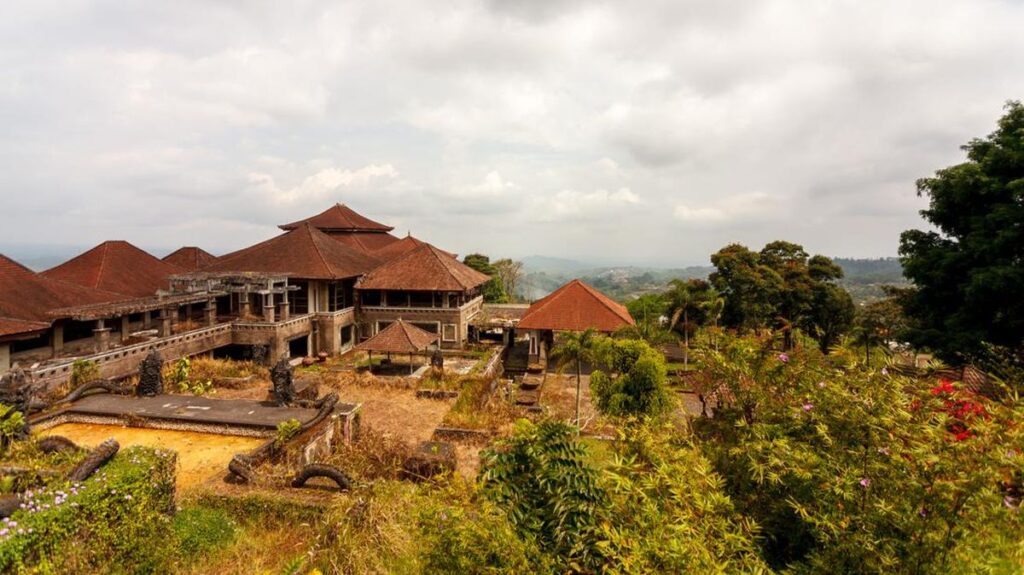
Bali has a long-running reputation for spooky sites and ghost stories. Balinese Hinduism includes strong beliefs in spirits, and many villages tell stories of haunted temples, cursed beaches, and abandoned buildings.
One of he most famous is the abandoned Bedugul Taman Hotel in the central mountains, an unfinished luxury resort left to rot and now surrounded by rumours of ghosts. There are also haunted beaches and shipwrecks, a cursed village tucked in the forest, lonely temples overlooking misty cliffs, and even an ancient tribe who leave the bones of its dead on the hillside.
While most visitors never see this side of the island, these creepy places are part of what makes Bali feel ancient, mysterious, and full of atmosphere; as such, it’s a magnet for enthusiasts seeking out the haunted and creepy.
Does Bali Have A National Park?
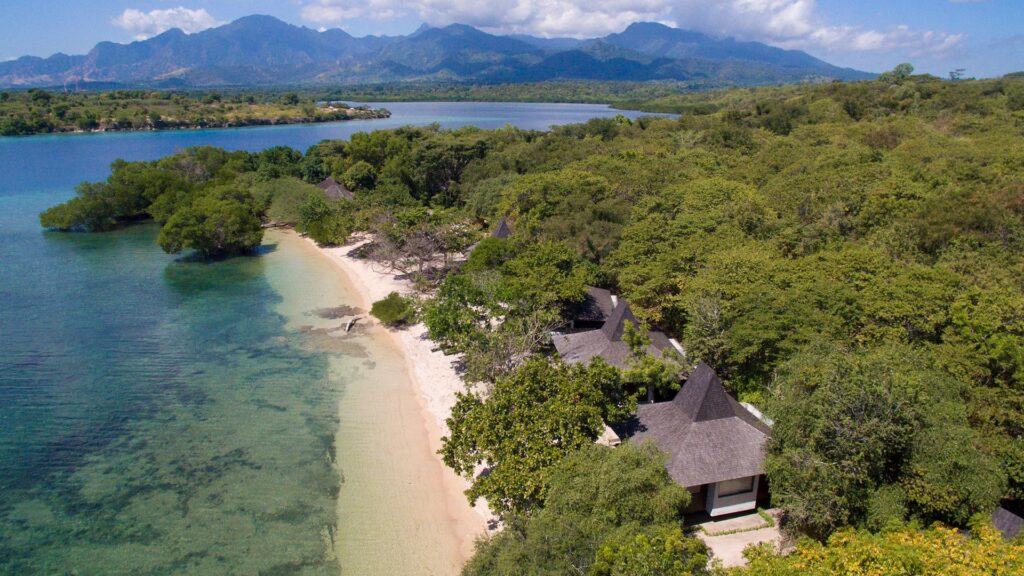
Yes, it’s home to West Bali National Park (Taman Nasional Bali Barat), a protected area covering forests, mangroves, reefs, and quiet stretches of coastline in northwest Bali. It’s one of the last truly wild places on Bali, and a complete contrast to the busy south.
The park is known for its deer population, and nearby Menjangan Island is named after the deer that have been seen swimming across to it.
The park protects several endangered species, including monkeys, wild cattle, and rare birds – and one species found here is endemic to Bali, which we’ll get to in the next fact. It’s also a great spot for trekking, snorkelling, diving, and escaping the crowds.


Bali Is Home To An Endemic Species Of Bird
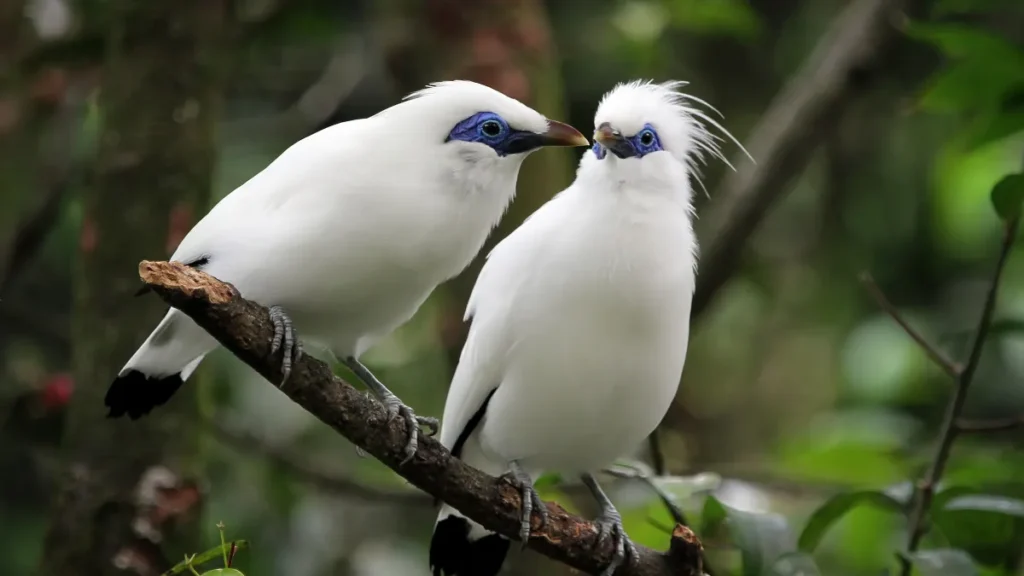
Bali is home to one of the world’s rarest birds: the Bali myna, or Jalak Bali. This striking white bird with bright blue eye patches is found nowhere else on earth. With numbers dropping close to extinction due to habitat loss and illegal wildlife trade, the Bali myna became a powerful symbol of conservation in Indonesia.
Most of the remaining birds live in and around West Bali National Park, where breeding and release programmes are helping the population slowly recover. Seeing a Bali myna in the wild is extremely rare, but knowing this unique species exists reinforces just how special Bali’s natural environment really is.
There Were Once Tigers On Bali
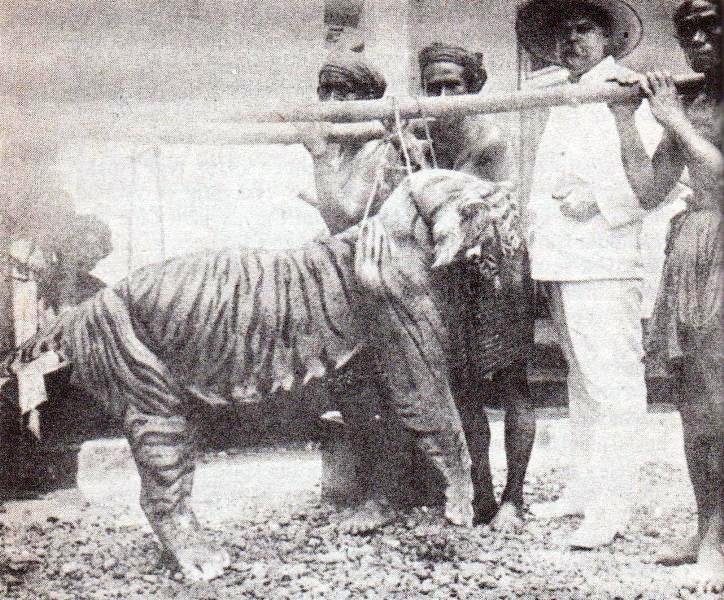
Bali was once home to its very own species of tiger: the Bali tiger. This was the smallest tiger subspecies in the world, and it lived exclusively on the island. Sadly, it was hunted to extinction in the 20th century, with the last confirmed sighting in the 1930s.
Dutch colonial hunting, habitat loss, and human population growth left the tiger with nowhere to go, and by the 1950s, it was gone forever.
Although the Bali tiger no longer roams the island, its legacy remains in place names, folklore, and local identity. It also serves as a reminder of how fragile island ecosystems are, and why protecting Bali’s wildlife today matters.
Bali Was Once Part Of The Dutch East Indies
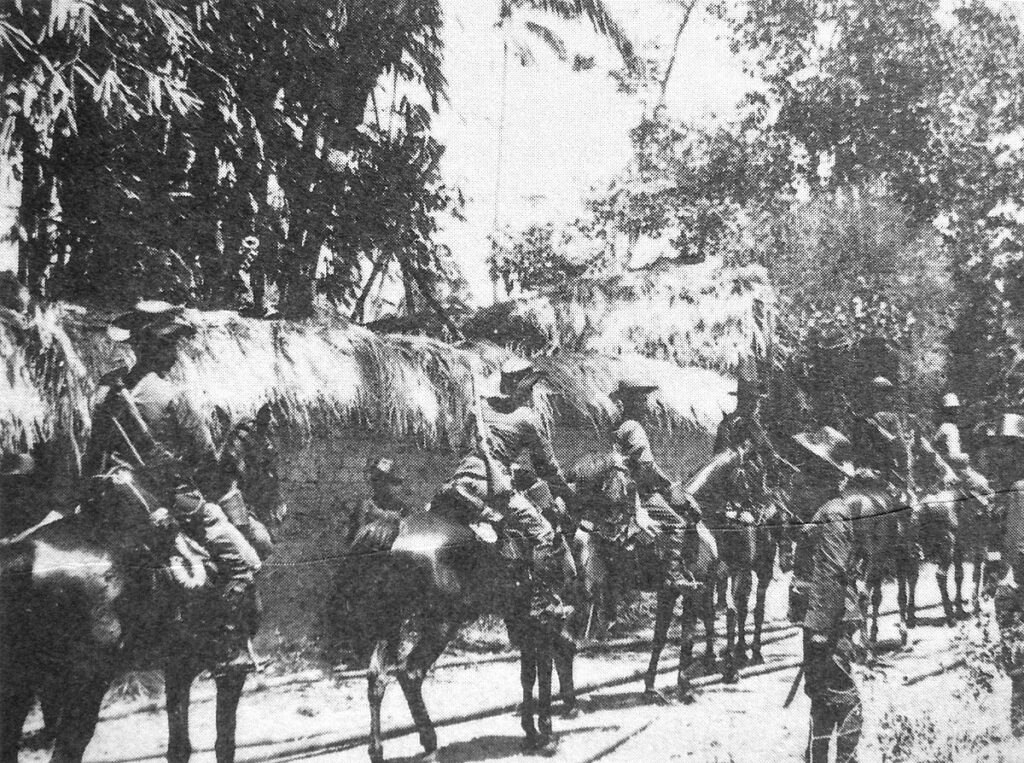
Bali was ruled by the Dutch from the 1800s until Indonesia gained independence after the Second World War. Before Dutch control, Bali was made up of small kingdoms that regularly clashed with each other, so colonial rule changed the island’s political landscape, economy, and international connections.
The Dutch East Indies included most of what is now Indonesia, and Bali became closely tied to the wider archipelago through trade, infrastructure, and administration.
Although Dutch rule brought conflict and tragedy, it also helped open Bali to the outside world, paving the way for tourism, academic interest, and the island’s reputation as a cultural destination today.
Japan Occupied Bali During The Second World War
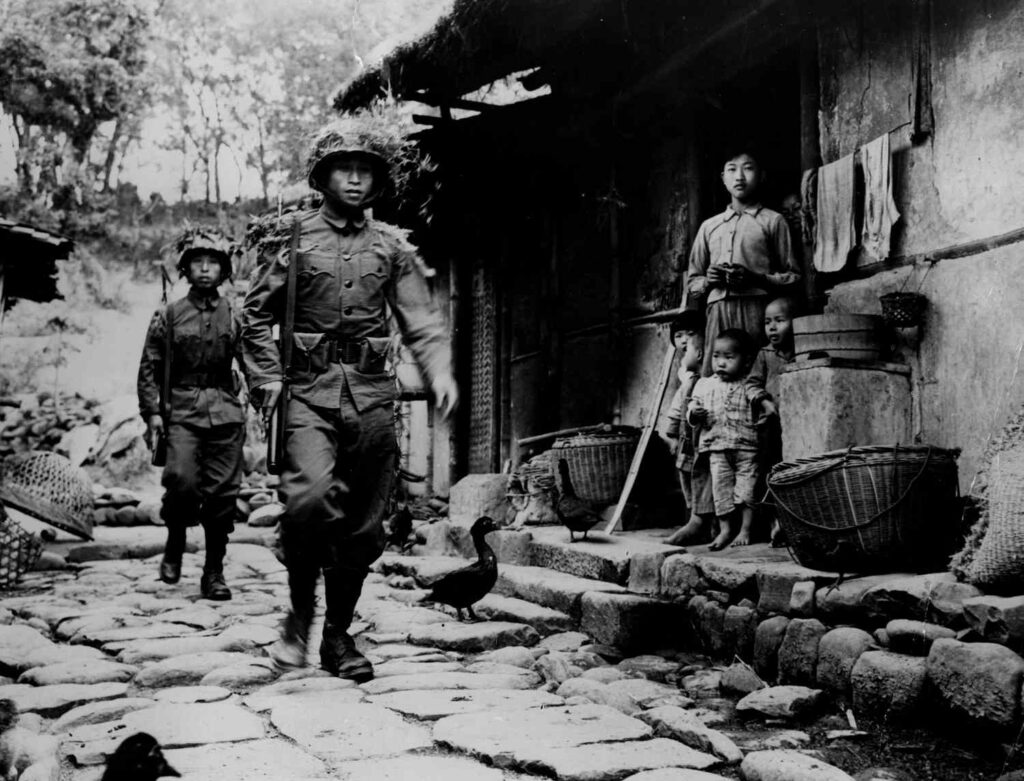
The Japanese occupation of Bali lasted from 1942 until 1945, bringing dramatic change to local life. The invasion ended Dutch colonial rule, and although many Balinese initially hoped the Japanese would support independence, the occupation became harsh.
Forced labour, famine, and executions affected parts of the island, and cultural expression was heavily restricted.
When Japan surrendered in 1945, Indonesia immediately declared independence, but Bali did not gain self-rule overnight. Dutch troops returned to the island later that year, leading to several years of violent struggle between Indonesian nationalists and Dutch forces.
Only in 1949, after international pressure and negotiation, Holland, or the Netherlands as it’s now known, recognised Indonesian independence, and thus Bali officially became part of the newly recognised Indonesia.

There Is No Independence Movement In Bali
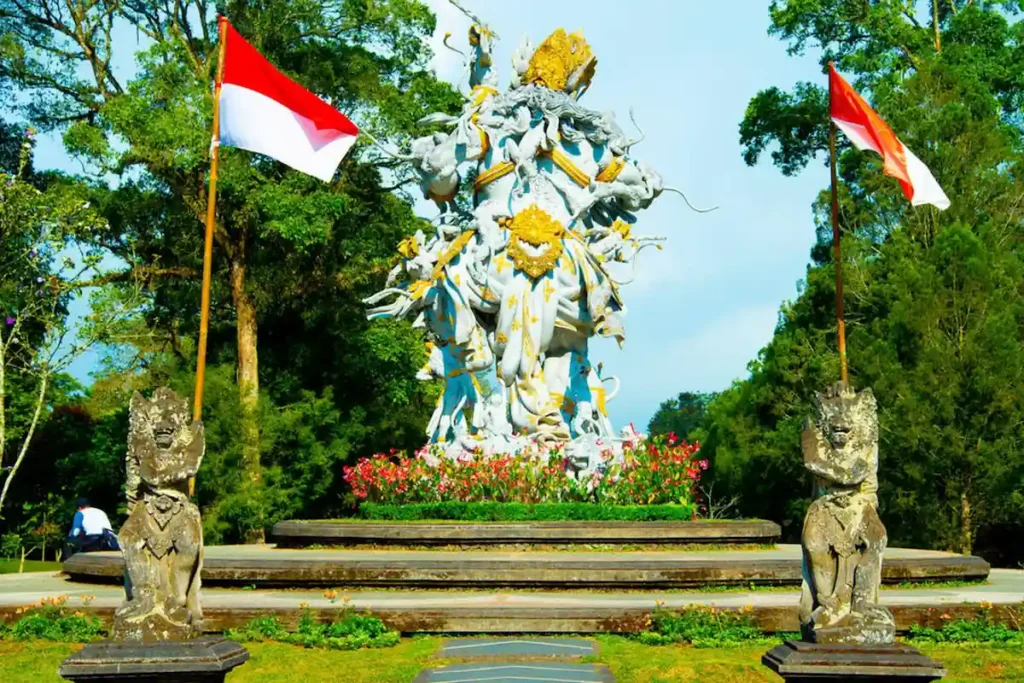
Unlike places such as West Papua, Bali has no meaningful independence movement. The island is deeply integrated into the Republic of Indonesia, politically and culturally, and most Balinese people identify strongly as Indonesian. While the island has its own language, religion, and cultural identity, these differences aren’t tied to separatist feelings.
In fact, Bali relies heavily on support and infrastructure from the wider nation, including tourism promotion, transport links, national investment, and post-disaster assistance after volcanic eruptions or earthquakes.
There are occasionally online rumours about “Free Bali” ideas, but these come from foreign commentators rather than locals, and have no presence in Balinese politics or daily life.
The Sea Between Bali And Lombok Is Extremely Deep
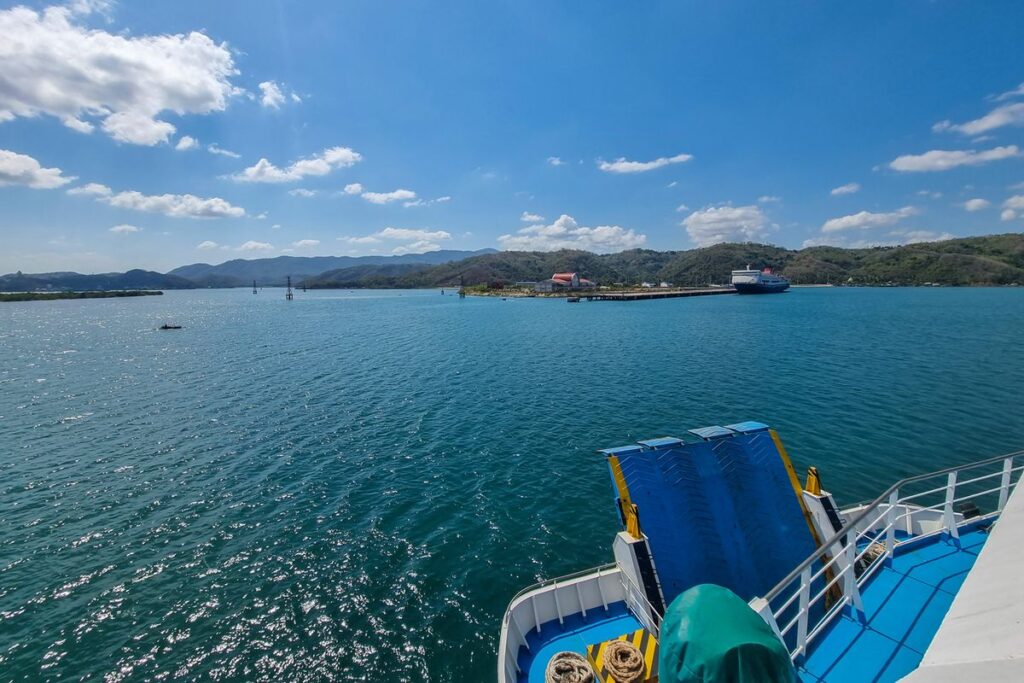
The narrow stretch of water between Bali and Lombok is known as the Lombok Strait, and it drops to incredible depths very close to shore. In places, it reaches more than 1,300 metres deep.
It sits on the Wallace Line – a major biogeographical boundary where Asian and Australasian species separate. This deep channel creates strong currents, rich marine life, and dramatic differences between the islands.
It also explains why Bali and Lombok developed differently: species on one side never crossed to the other. Today, the strait is popular with divers thanks to its sharks, rays, and powerful drift dives, but it’s also a major international shipping route due to the depth and year-round navigability.
Bali Is Part Of The Coral Triangle
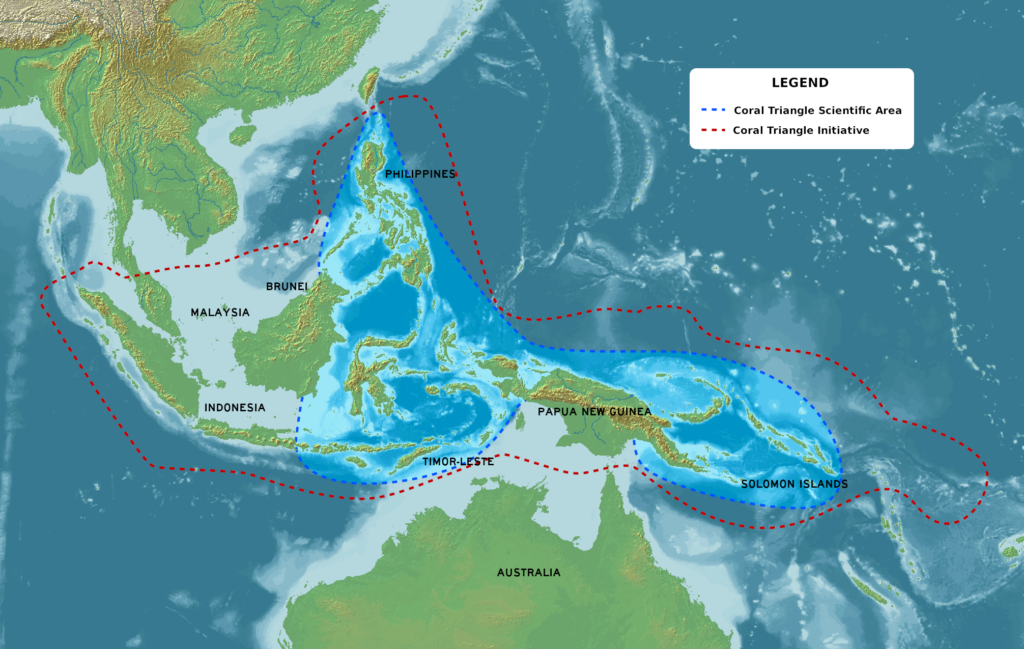
Bali sits on the western edge of the Coral Triangle, a huge marine area stretching across Southeast Asia and the Pacific that contains the greatest coral diversity on Earth. This region is home to more than 75% of all known coral species, thousands of fish species, and incredibly rich reef systems.
Because of this location, Bali has world-class diving and snorkelling: places like Amed, Tulamben, Menjangan Island, and Nusa Penida offer vibrant coral reefs teeming with life.
The Coral Triangle also plays a major role in supporting fishing communities and protecting coastlines.
For travellers, it means Bali’s underwater world is far more diverse than almost anywhere else on the planet – a huge reason the island draws marine enthusiasts from across the world.
There Are More Species Of Fish Around Bali Than Around Australia
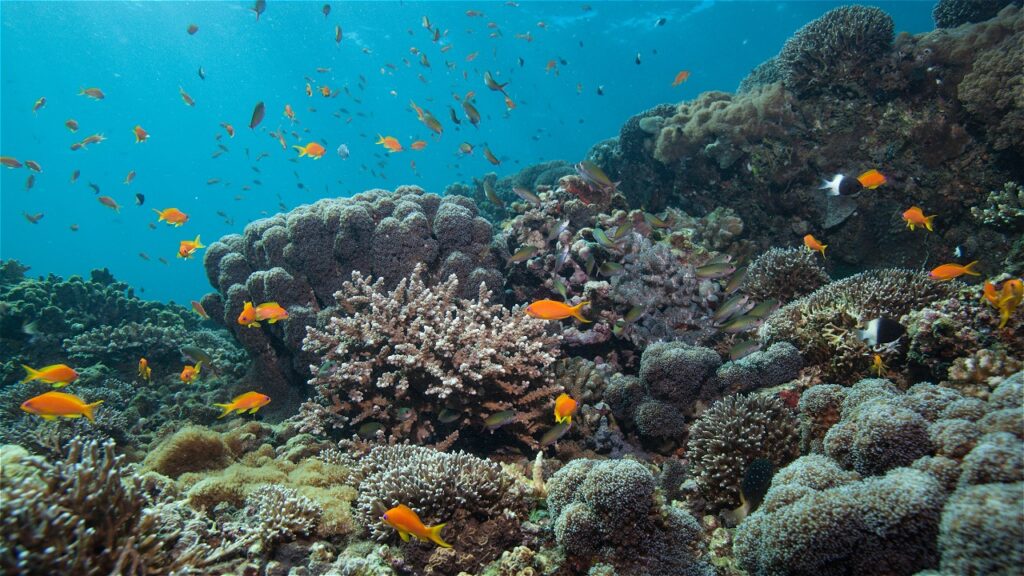
Because of Bali’s position inside the Coral Triangle, the waters surrounding the island hold a stunning level of marine biodiversity – far higher than in Australian waters.
Indonesia has the greatest number of reef fish species on Earth, with well over 2,000 recorded, while Australia’s waters contain fewer overall species despite having larger reef systems and coastlines.
This biodiversity is especially visible around Bali and its neighbouring islands, where deep waters meet warm tropical currents. Divers can see everything from tiny pygmy seahorses and colourful reef fish to manta rays, barracuda, mola-mola, and even whale sharks passing through.
It’s a reminder that beneath Bali’s beaches lies one of the most biologically rich marine environments anywhere in the world.
Is There A UNESCO World Heritage Site In Bali?
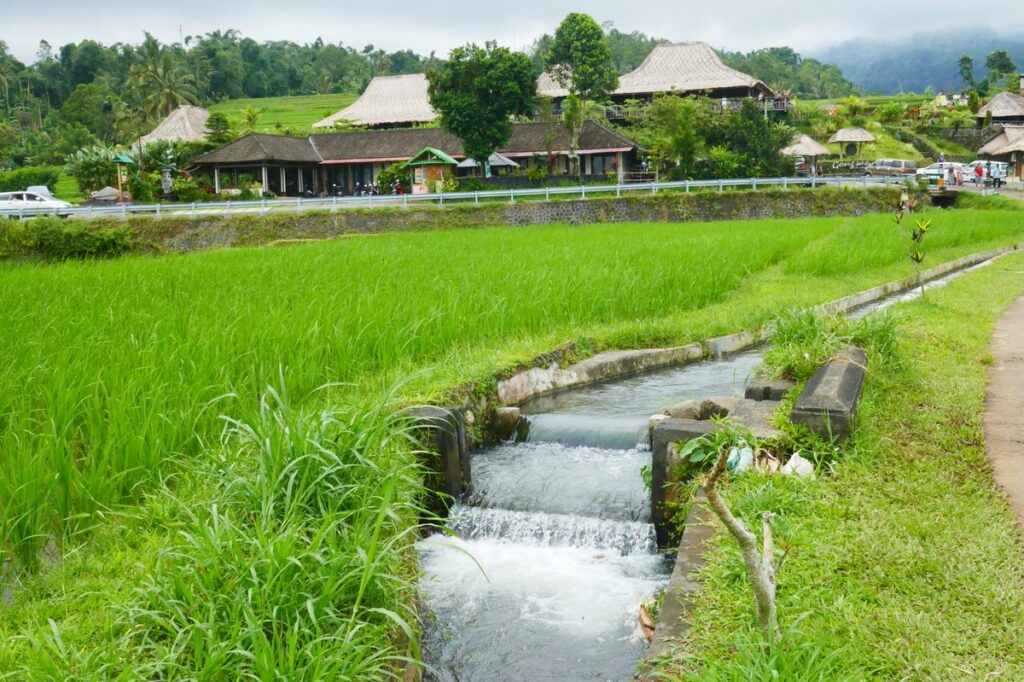
Yes. Bali has one UNESCO World Heritage Site: the Cultural Landscape of Bali Province, which focuses on the island’s ancient Subak irrigation system.
Dating back over 1,000 years, Subak is a community-run network of canals, weirs, and water temples designed to distribute water fairly across Bali’s rice terraces. It reflects a philosophy called Tri Hita Karana – harmony between humans, nature, and the spiritual world – and is still used today.
The system is most famously seen in places like Jatiluwih Rice Terraces, where sweeping green valleys show the scale of this engineering achievement. The site highlights that Bali’s beauty isn’t just beaches and volcanoes; it’s a living cultural landscape shaped by centuries of human belief and cooperation.
Bali United FC Is One Of The Top Football Teams In Indonesia

Bali United FC, founded in 2014 and based in Gianyar, has quickly become one of the biggest names in Indonesian football. They play at the Kapten I Wayan Dipta Stadium and compete in Liga 1, the nation’s top division.
In 2019, Bali United made history by becoming the first Balinese team to win the Indonesian league title, and they followed up with another championship in 2021–22.
The club has a huge fanbase on the island, and match days bring serious energy, especially as the team often attracts strong international and national players. For sports fans, catching a Bali United match is a great way to see a different side of the island beyond beaches and temples.
Balinese Babies Cannot Touch The Floor!
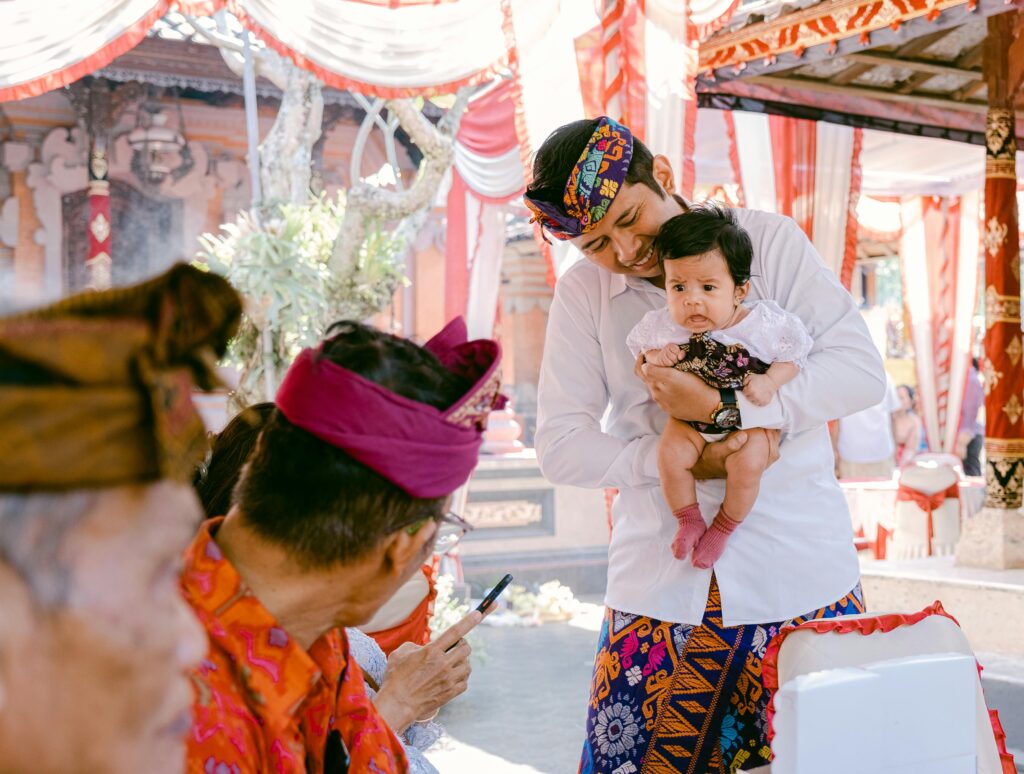
One of the most interesting Bali facts is the tradition that newborn babies must not touch the ground for their first 105 days. In Balinese Hindu belief, babies are considered pure and connected to the spiritual world, so the floor – associated with dirt and impurity – would break that connection.
Instead, babies are carried constantly or placed on raised surfaces!
At around 105 days, a ceremony called Nyabutan or Nyambutin takes place, marking the moment a child is finally allowed to touch the earth. It’s a warm, symbolic celebration that welcomes the baby fully into the human world.
They make up for lost time when they’re older, and Balinese children can always be seen running around playing games, flying kites on the beaches, and just being kids!
Bali Has Some Of The Most Expensive Coffee In The World
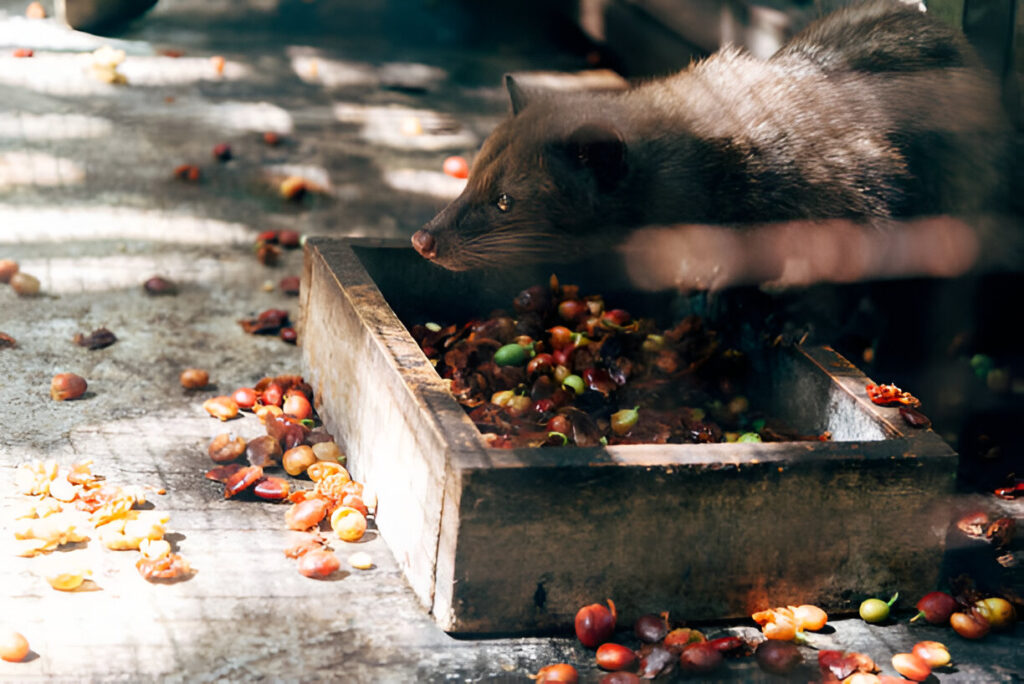
Bali is famous for kopi luwak, one of the most expensive coffees on the planet. It’s made using coffee cherries that have passed through the digestive system of the Asian palm civet, and the fermentation inside the animal is said to create a smoother, richer flavour.
Traditionally, beans were collected from wild civets, making the supply extremely limited and highly valuable, which pushed prices up.
However, commercial demand has led to farms keeping civets in captivity, and that’s raised real animal-welfare concerns. Many travellers now seek out ethically sourced, wild kopi luwak, or simply choose Bali’s excellent regular arabica grown in the island’s central mountains.
Either way, Bali has a serious coffee culture, and tasting it is a popular experience for visitors.
Final Thoughts On Bali Facts
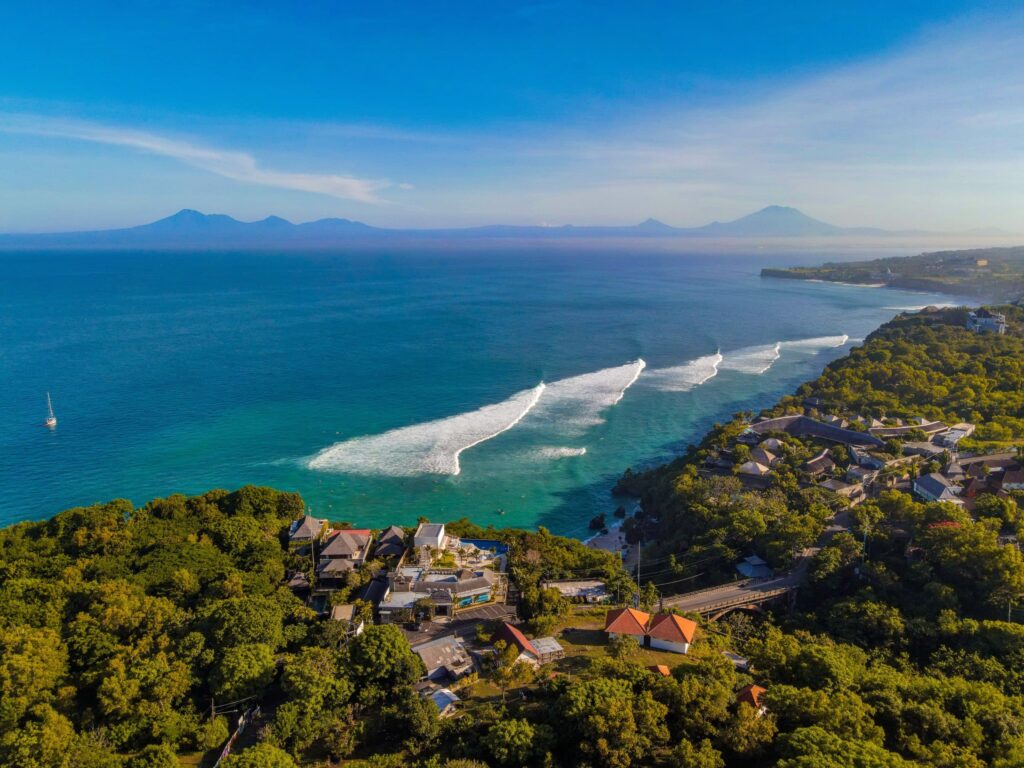
Bali might be small on a map, but once you start digging, it feels endless. Its religion, language, festivals, wildlife, volcanoes, history, football, fishing grounds, haunted legends, and even its coffee all tell different pieces of the same story: Bali is unlike anywhere else on Earth.
These facts highlight just how layered the island really is. Some explain why Bali feels so different to the rest of Indonesia, others show how modern life and tourism have shaped it, and many are just strange little details that make the island even more interesting.
Whether you’re visiting Bali for the first time or already know it well, the island always has more to uncover: more stories, more culture, more surprises. That’s part of the magic.