Bali is known for its vibrant ceremonies, ornate temples, and deeply spiritual culture, but did you know that the Hinduism practised here is quite different from the religion’s roots in India?
While both traditions share common foundations, Balinese Hinduism has evolved into something uniquely its own, shaped by centuries of local influence and island customs.
A Brief Introduction To Hinduism
Hinduism is one of the world’s oldest religions, with roots in ancient India. It centres on a belief in one supreme reality expressed through many gods and goddesses. Core concepts include dharma (moral and ethical living), karma (cause and effect), and moksha (spiritual liberation).
Hinduism is diverse, with various traditions, rituals, and festivals. Over time, it has adapted to different cultures, leading to unique regional forms like Balinese Hinduism.
Religious Practices In Balinese And Indian Hinduism
While Balinese Hinduism and Indian Hinduism share ancient roots, their religious practices differ significantly due to geography, culture, and even legal frameworks.
Balinese Hinduism, officially recognised by the Indonesian government as a monotheistic religion, centres around the belief in one Supreme God known as Ida Sang Hyang Widhi Wasa. However, similar to Smartism in India, Balinese Hindus acknowledge many deities like Shiva and Vishnu as manifestations of this one divine essence.
The religion also integrates elements of local animism, ancestor worship (similar to Pitru Paksha in India), and Buddhist influences, especially in the reverence of Bodhisattvas. These additions make it distinct from mainstream Indian Hinduism, which tends to follow more traditional Vedic structures.


In India, Hindus generally follow the Pancawarna (fivefold caste system): Brahmana, Kshatriya, Vaishya, Sudra, and Pariah. While echoes of this system exist in Bali under the concept of Caturwarna, Balinese society is often more fluid in its interpretation.
One of the key frameworks in Balinese Hindu life is the Catur Purusartha, the four proper goals of human existence:
- Dharma – moral and ethical living
- Artha – pursuit of wealth and creativity
- Kama – joy, love, and pleasure
- Moksha – spiritual liberation
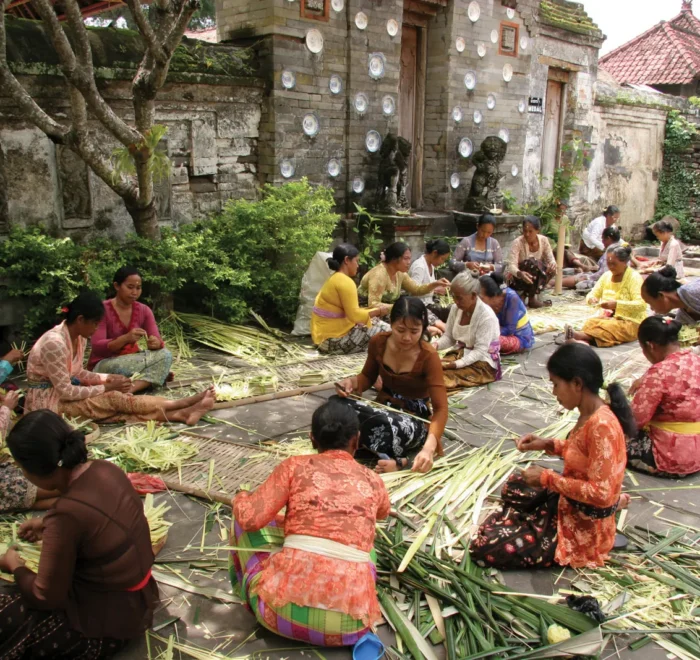
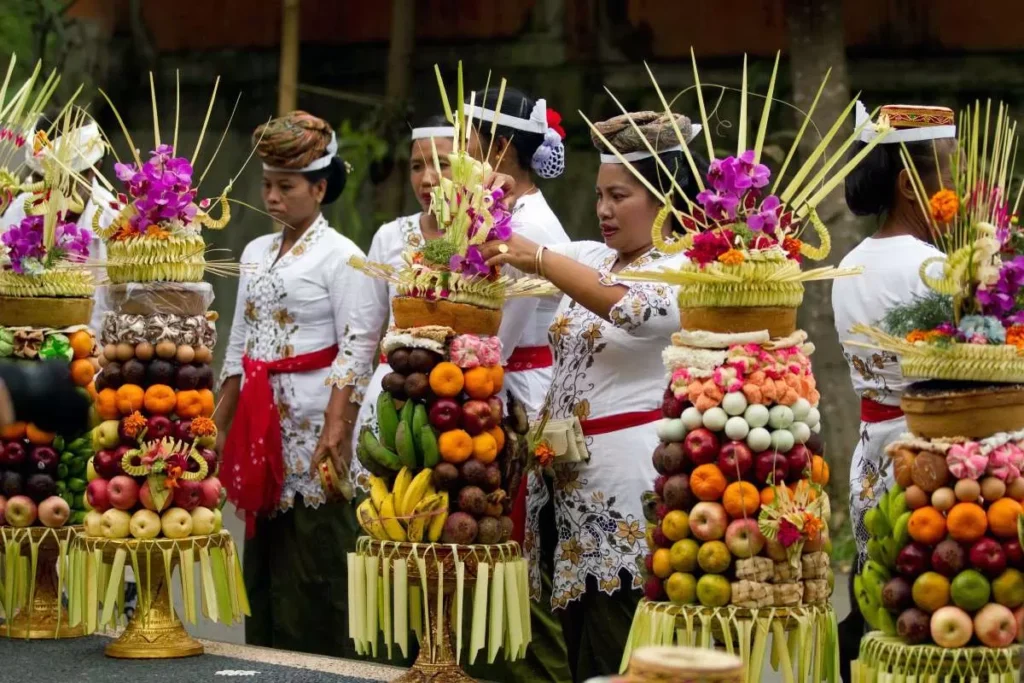
These values align with those in Indian Hinduism, though daily practice can differ. For example, rituals in Bali often involve daily offerings (canang sari), temple festivals (odalan), and community-led ceremonies deeply tied to the agricultural calendar and local spirits.
Even their holy days differ. While Indian Hindus use the traditional Hindu calendar, Balinese Hindus rely on both the Saka calendar and the unique Pawukon (Wewaran) calendar system, resulting in a distinctive set of festivals and sacred dates.
Unique Ceremonies And Cultural Practices In Balinese Hinduism
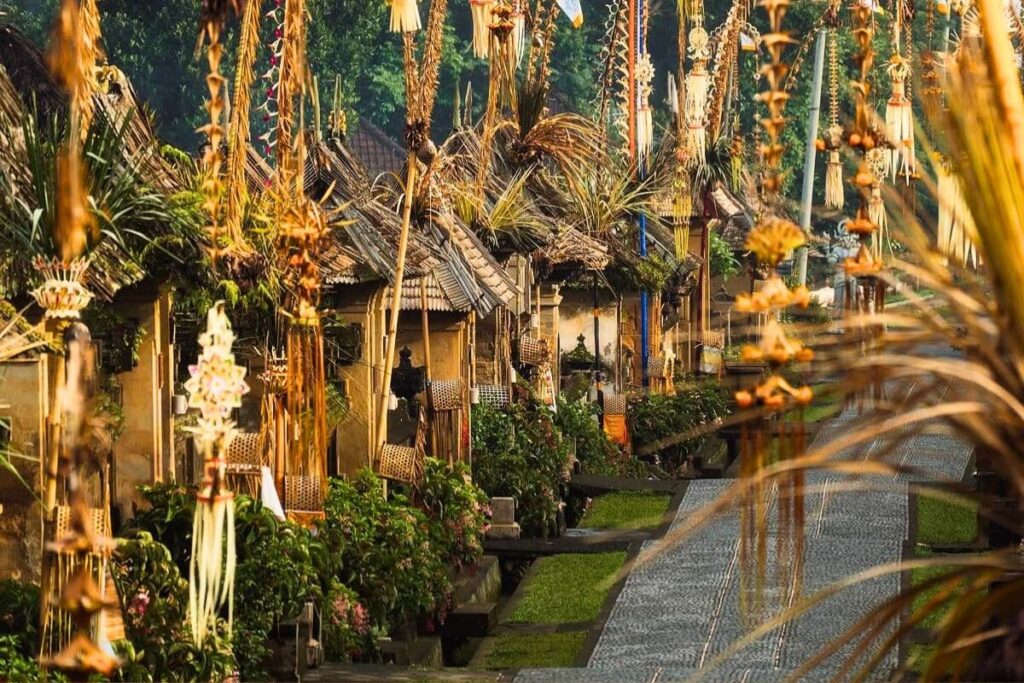
Balinese Hinduism is rich with unique religious ceremonies that set it apart from Indian Hinduism. These ceremonies reflect the island’s traditional beliefs, deep connection to nature, and local customs shaped over centuries. The Balinese calendar, using the Saka and Pawukon (Wewaran) calendars, dictates a vibrant cycle of festivals and rituals celebrated by the Balinese people, and is seperate to the ancient Hindu calendar which decides the festivals in India.


- Nyepi – The Day of Silence – Probably the most iconic festival on the island is Nyepi, Bali’s New Year, a day marked by a full day of silence, reflection, and spiritual cleansing. Unlike the vibrant and noisy Indian New Year festivals, Nyepi focuses on inner peace, embodying the ethical and moral living central to Hindu Dharma. This ceremony reflects the monotheistic belief in Ida Sang Hyang Widi Wasa and is unique to Balinese Hinduism.
- Galungan and Kuningan – Victory of Good Over Evil – Celebrated every 210 days, Galungan honours the triumph of dharma over evil, ending with Kuningan. These festivals feature offerings and rituals tied to ancestor worship, a key element of Agama Hindu Dharma in Bali. Indian Hinduism also celebrates dharma, but with different festivals and less emphasis on ancestral spirits.
- Saraswati Day – Honouring Wisdom – Both Balinese and Indian Hindus celebrate Saraswati, the goddess of knowledge. However, the Balinese Saraswati Puja blends ancient Hindu Dharma practices with local customs, reflecting the syncretism of Indonesian Hinduism.
The Role Of The Middle Child In Balinese Culture
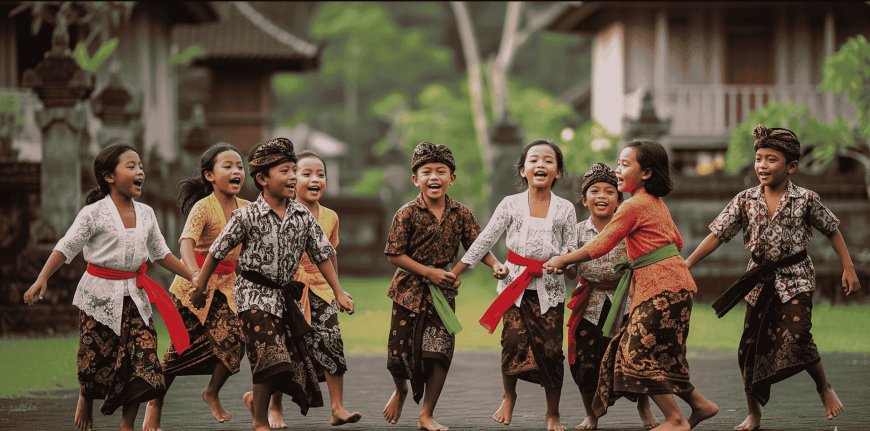
A fascinating cultural concept in Bali is the special status of the middle child within a family. This role carries unique expectations and responsibilities differing from Indian traditions.
In Balinese society, the middle child is sometimes seen as a peacemaker or a special spiritual figure, tasked with maintaining harmony within the family and community. This belief ties into Hindu Dharma practices focusing on moral living and the social order, somewhat distinct from the Indian caste system or Pancawarna hierarchy practised by many Hindus in India.
Temples And Sacred Sites: Goa Lawah and Beyond
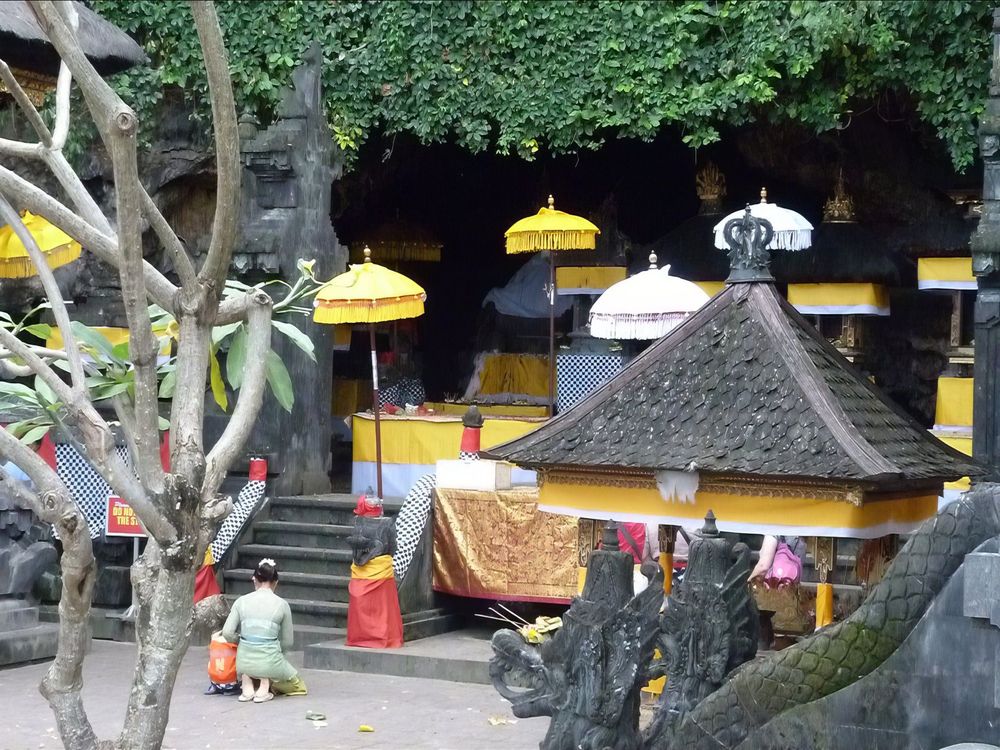
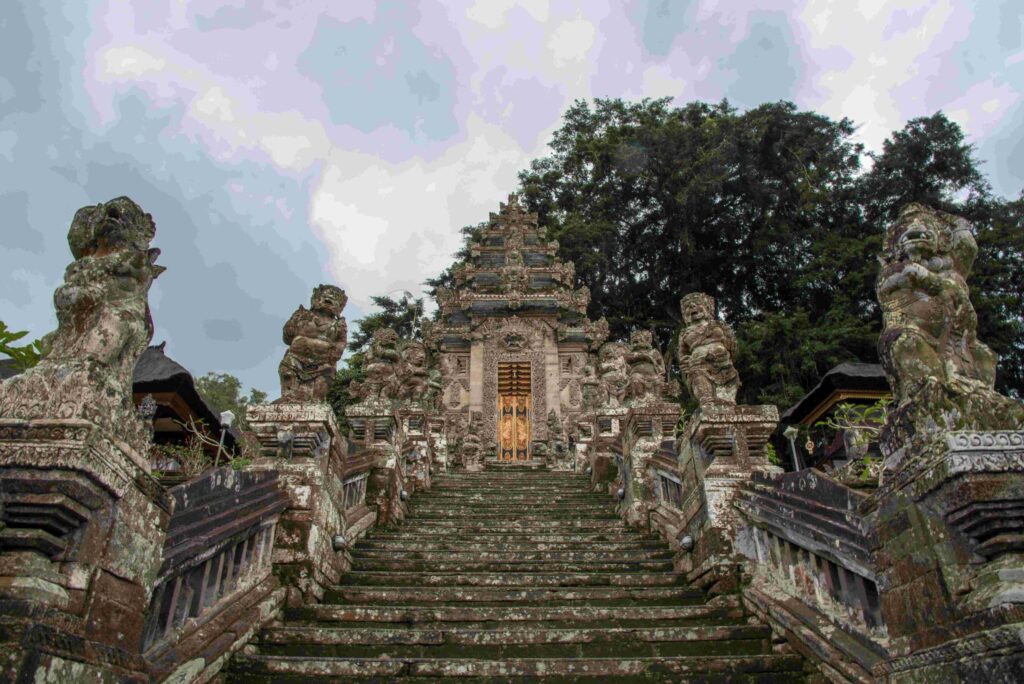
Balinese Hinduism is known for its spectacular temples, many of which are unique to the island. The Goa Lawah Temple, also known as the Bat Cave Temple, is a prime example. This temple symbolises the deep intertwining of Hindu worship and local nature spirits.
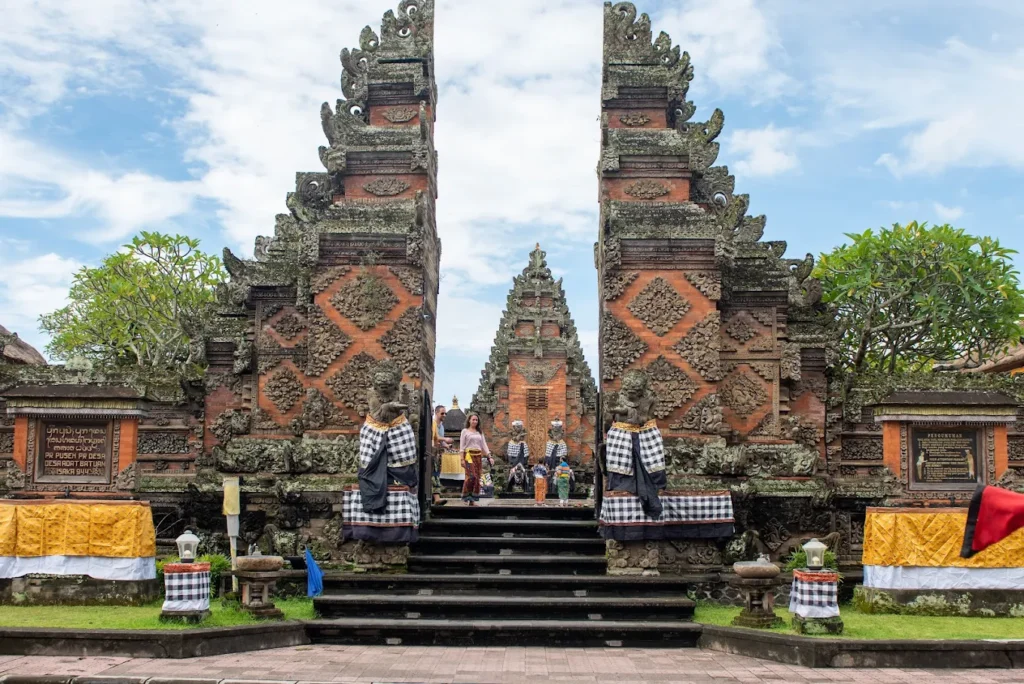
While Indian Hindu temples typically focus on large idols of Hindu gods and goddesses, Balinese temples blend worship with local myths, ancestor worship, and respect for spirits residing in natural features like caves and trees. This highlights the syncretism that makes Hindu Bali unique compared to Hinduism in India.
Deities In Balinese And Indian Hinduism
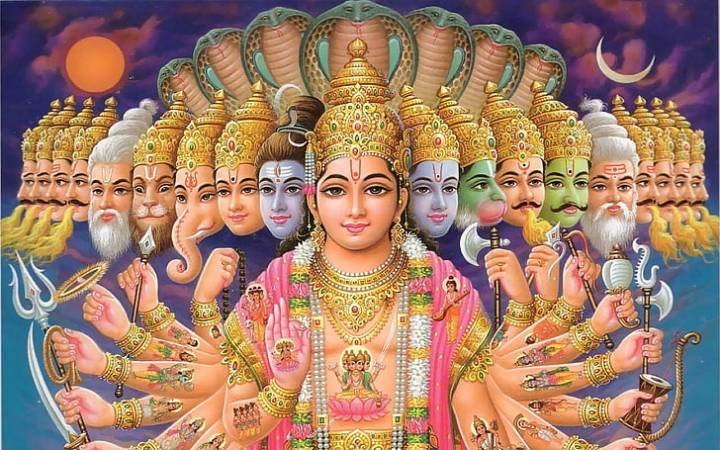
Indian and Balinese Hinduism share many of the same gods and goddesses, but the way they’re understood and worshipped varies significantly.
In Indian Hinduism, deities like Shiva, Vishnu, Durga, Lakshmi, and Ganesha are revered in distinct traditions. Worship often centres around one deity or sect, and each god or goddess has a rich mythology, specific mantras, festivals (like Durga Puja or Saraswati Puja), and temples dedicated to them. Ganesha, for example, is widely worshipped as the remover of obstacles and the god of beginnings, appearing in rituals across nearly every branch of Indian Hinduism.
In Balinese Hinduism, which is officially recognized by the government of Indonesian as a monotheistic religion, all deities are seen as manifestations of a Supreme Deity called Ida Sang Hyang Widhi Wasa. Gods like Ganesha, Shiva, and Vishnu are still honoured, but they’re understood more as divine forms or aspects of this one ultimate being. This belief is similar to the Smartism tradition in India, which also teaches that different deities represent the same divine source.
Balinese Hinduism also blends local animist and ancestral elements. You’ll often find shrines to village guardians, mountain spirits, and family ancestors alongside the more classical Hindu deities. The presence of deities in daily life is constant and visible, especially through daily offerings, symbolic statues, and major temple ceremonies that often involve multiple gods in a single ritual.
Influence Of History And Politics On Indonesian Hinduism
The history of Hinduism in Bali cannot be separated from broader political and cultural changes in Indonesia. The island’s Hindu identity was solidified during Dutch colonial rule, which recognised Bali’s distinct culture.
After Indonesia gained independence, the Indonesian government officially recognised Balinese Hinduism as agama Hindu Dharma, a monotheistic religion distinct from Indian Hinduism, thus protecting the rights of the predominantly Hindu Balinese population within a Muslim-majority country.
This recognition under Indonesian laws allows for the continuation of traditional beliefs while balancing national ideology, which embraces religious diversity.
FAQs
Do Balinese Hindus Eat Beef?
No, Balinese Hindus do not eat beef. Like most followers of Hinduism in India and across the world, they hold the cow as a sacred animal, symbolising life, abundance, and the nurturing qualities of motherhood. This respect for cows is deeply rooted in Hindu Dharma.
While the majority of Balinese people follow this dietary restriction, Bali is a diverse island, and you still find beef on menus in tourist areas catering to international visitors.


Do Balinese Hindus Celebrate Diwali?
Not typically. Diwali, the Festival of Lights, is one of the most important celebrations in Indian Hinduism, especially in North India. However, Balinese Hinduism has its own unique set of religious festivals based on the Balinese calendar and local traditions.
Major celebrations include Nyepi (the Day of Silence), Galungan, Kuningan, and Saraswati Day. These events reflect the syncretic nature of Hinduism in Bali and its close ties to nature, community, and ancestral worship.
Are All Balinese People Hindu?
No, not all Balinese people are Hindu, although Hinduism is the dominant religion on the island. Roughly 85–90% of Bali’s population follows Agama Hindu Dharma, the local form of Hinduism. However, Bali is also home to communities of Muslims, Christians, and Buddhists, reflecting Indonesia’s national ideology of religious diversity.
This coexistence is generally peaceful and forms part of the broader cultural mosaic found throughout the Indonesian archipelago.
Can I Visit Temples In Bali?
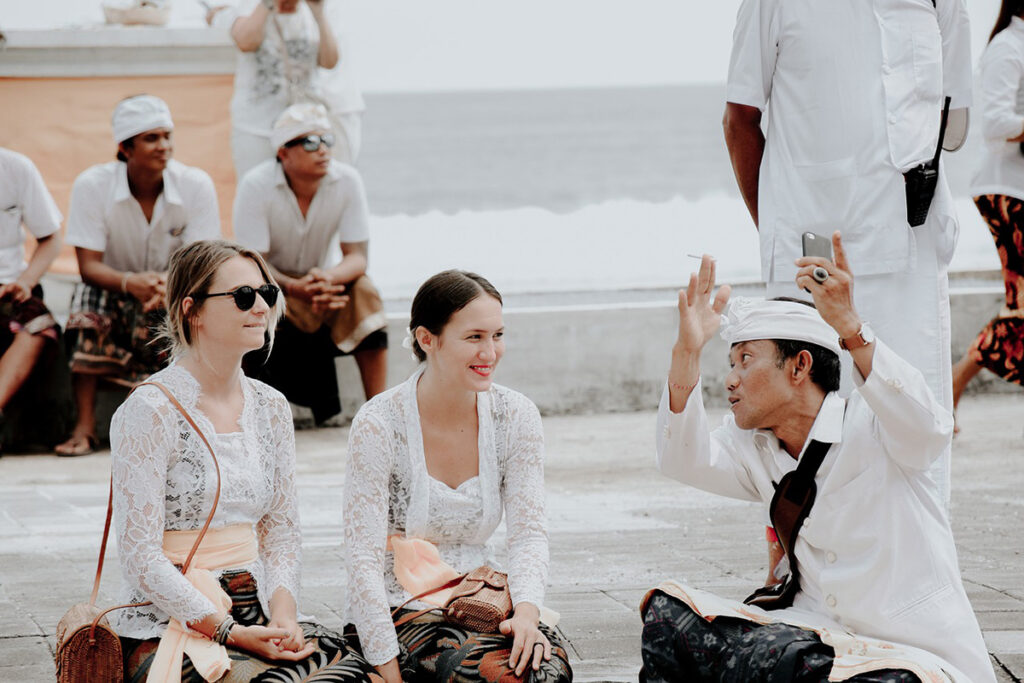
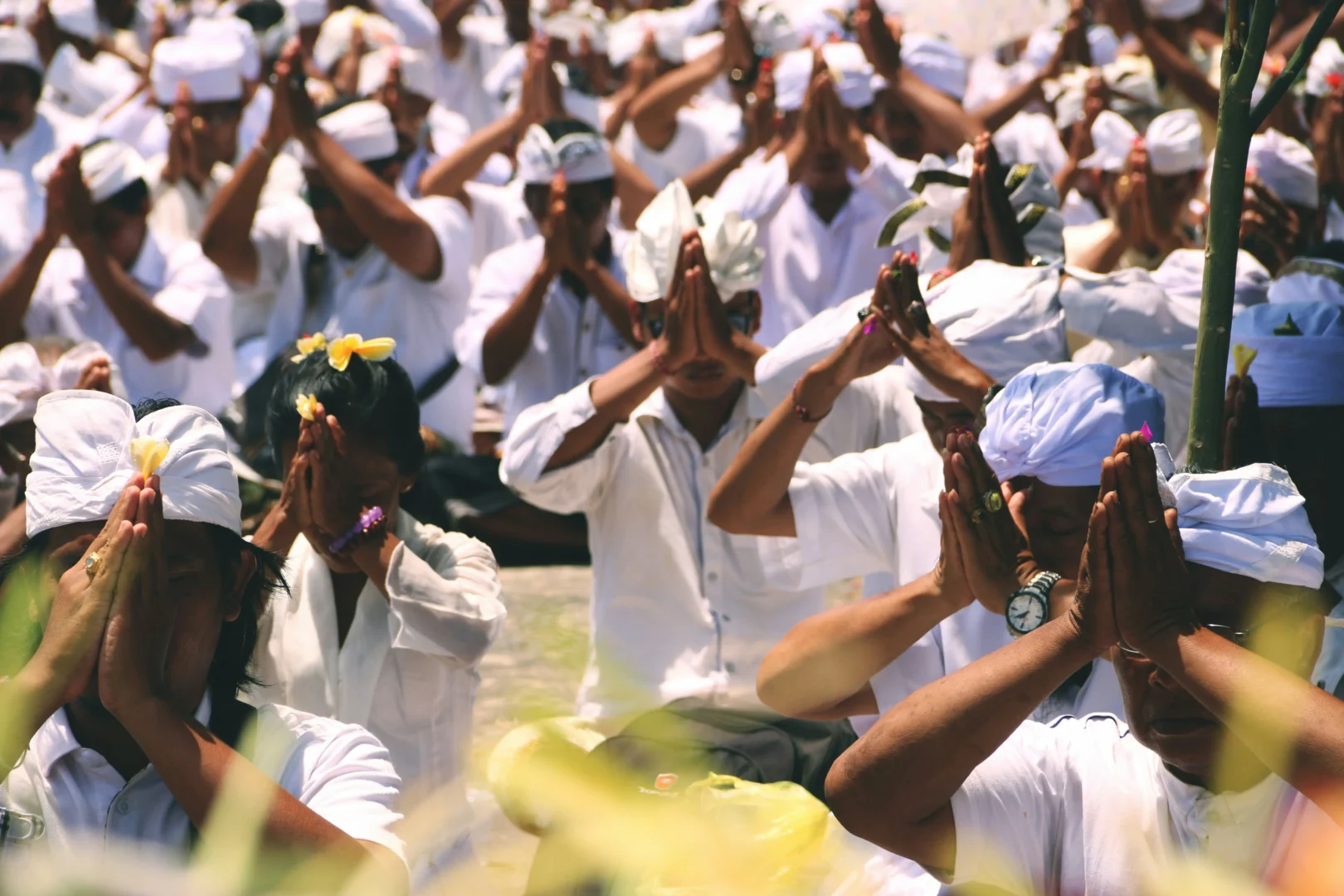
Yes, visitors are welcome to explore Bali’s many stunning Hindu temples, including iconic sites like Goa Lawah, Tanah Lot, and Besakih. These temples are not just tourist attractions—they are active places of worship for Bali Hindus, and many host vibrant religious ceremonies tied to the Balinese calendar.
When visiting, it’s important to dress respectfully: wear a sarong and sash (often available at the entrance), and avoid entering temple areas if you’re menstruating, as per tradition. Remember, these sacred spaces are central to Balinese Hinduism and reflect ancient traditions, so entering with respect helps support the island’s enduring spiritual culture.
Final Thoughts On Balinese Hinduism vs Indian Hinduism
Indian and Balinese Hinduism share core philosophies, but centuries of separation, geography, local culture, and history have created distinct traditions. From the pantheon of gods to the daily offerings and festivals, Hinduism in Bali stands as a testament to how spiritual systems can adapt while holding onto ancient truths.