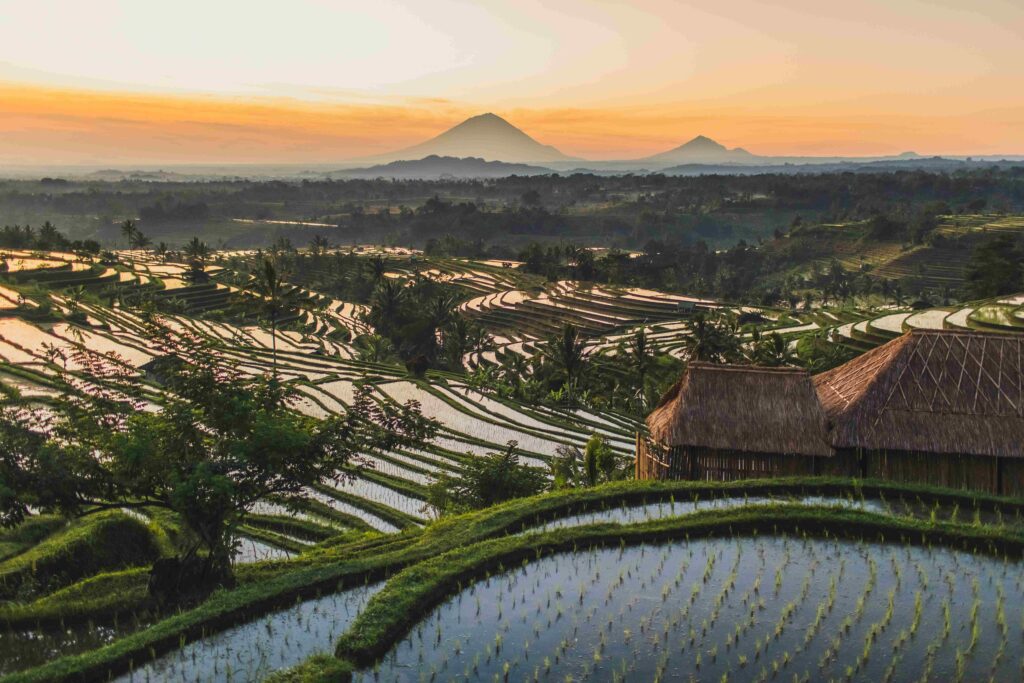
The Jatiluwih Rice Terraces are one of those places that remind you why Bali is so loved. Spread across the foothills of Mount Batukaru and shaped by centuries of Balinese farming tradition, these terraces are huge, peaceful and ridiculously beautiful.
It’s a proper escape from the busier parts of the island and a great look at Bali’s heritage through the Subak irrigation system that keeps everything thriving.
Whether you’re here for a long walk through the paddies, a bit of fresh air, or a window into how the island’s rural life actually works, Jatiluwih is easily one of the most rewarding days out in Bali.
TL;DR, Summary Of The Jatiluwih Rice Terraces
- A stunning UNESCO-listed rice terrace in central Bali – less crowded than Tegallalang and perfect for long scenic walks, photos, and just taking in the scenery.
- Best visited in the morning – for cool weather and the brightest green fields; allow 2–3 hours to explore, and more time to explore the surrounding area.
- Easy day trip by private driver – with plenty of restaurants, viewpoints and walking trails across the valley.
Where Are The Jatiluwih Rice Terraces?
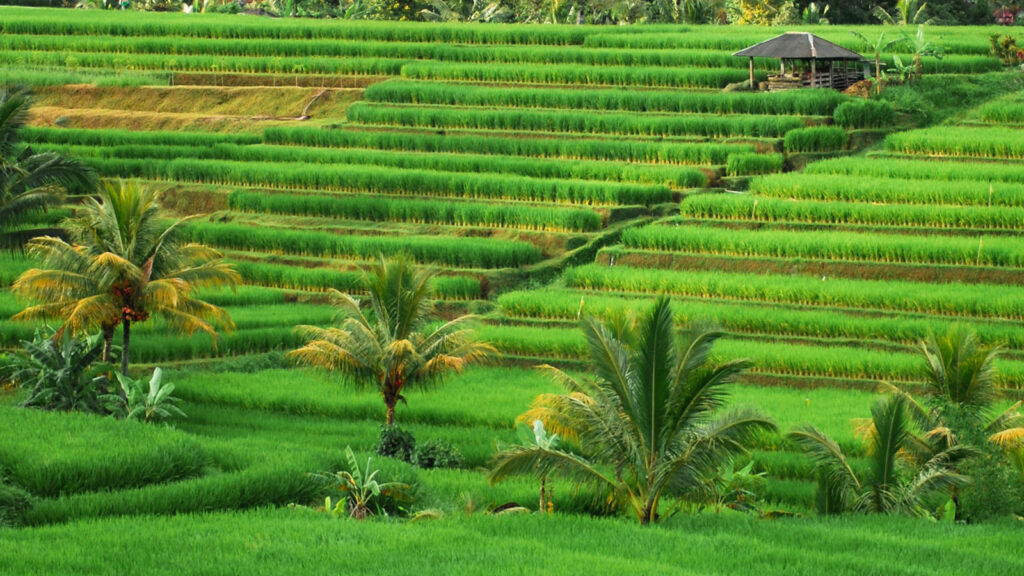
The rice terraces are out in the sticks a bit, in the village of Jatiluwih in the Tabanan Regency, on the steps of Mount Batukaru, kind of central Bali.
It’s not far away when you look at the map, but it’s a good 2-hour drive from places like Canggu and Ubud.
Address: Jl. Jatiluwih Kawan, Jatiluwih, Kec. Penebel, Kabupaten Tabanan, Bali 82152, Indonesia
Online: Jatiluwih
How Do I Get To Jatiluwih Rice Terraces?

There are a few options with how to reach the rice fields, and as usual, it kind of depends on what your greater plans are: will you stay the night, will you go and return in the same day, or is it just one small stop on a much larger adventure?
- Private Car and Driver – An easy and convenient way to visit. Book a reliable driver through your hotel or tour company. They’ll pick you up from your location, take you there safely, and wait for you outside with any belongings you don’t want to carry. Later, you needn’t worry about finding a way home; your driver is already with you. This is also great if you want to make a full-day trip; you can plan various stops and discuss them with your driver, or ask them for their personal recommendations of places to visit. If you decide to stay the night, you can book another driver through your hotel in Jatiluwih, or arrange for your driver to stay at the hotel and take you back the next day!
- Organised Group Tour – If you prefer something simple and stress-free, an organised tour is a good option. You’ll be picked up from your location, taken directly to Jatiluwih, and guided around without needing to plan anything yourself. These tours usually include a few short stops along the way and give you a clear schedule to follow, which some travellers prefer. It’s not as flexible as having your own driver, but it’s a nice way to see the area if you don’t want to navigate or think too much on the day. It’s also a great way to meet new people!
- Motorcycle or Scooter Hire – Although it may be tempting to rent a scooter or motorbike to get there, as always, we recommend against this. It’s unlikely you’ll be fully road-legal, which can lead to problems with the police and issues with insurance if anything happens. On top of that, the roads out this way are rural, winding and not always in the best condition. Bali’s traffic can be unpredictable even in the busy areas, so don’t risk an accident on a long countryside ride. A private driver or an organised tour is a far safer and more relaxed option.
When Is The Best Time To Visit Jatiluwih Rice Terraces?
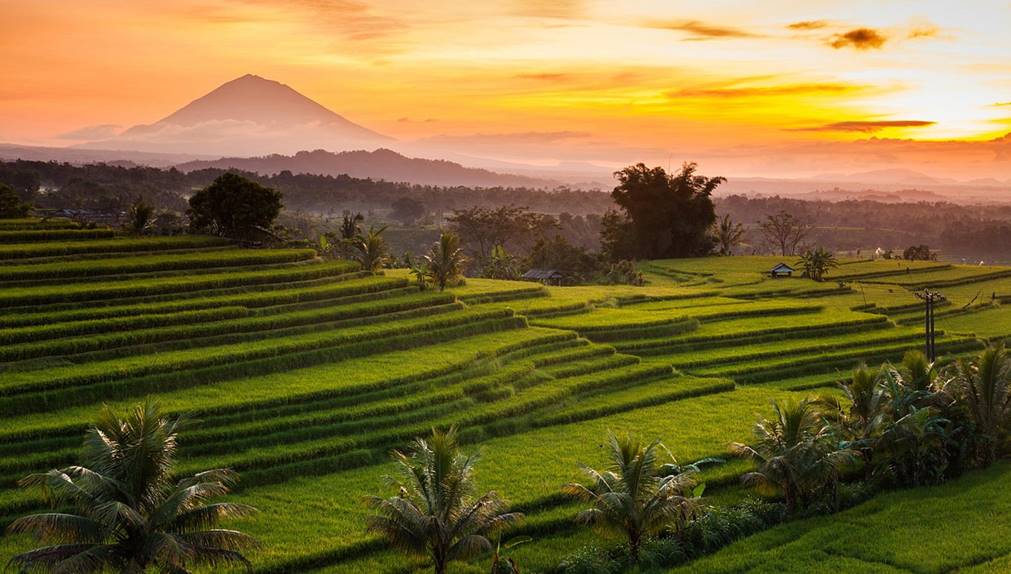
Jatiluwih is beautiful all year round, but most people prefer visiting during the greener stages of the rice cycle. The terraces are usually at their most vibrant from February to June, when the rice plants are tall and bright.
Early mornings are a great time to go if you want cooler weather and quieter paths, and you’ll get softer light for photos as the sun comes up over the valley. If you’re visiting in the rainy season, expect clouds and occasional downpours, but this time of year really brings out the lush, green rice terraces.


Opening Hours
If you’re staying in Jatiluwih Green Land itself, you can walk into the rice fields anytime.
There’s no formal barrier between you and the beautiful rice terraces, but because this area has almost no lighting at night, it’s much better to explore during the day. The fields are also home to plenty of nocturnal wildlife, including snakes, so wandering around after dark isn’t ideal.
If you’re visiting from outside the village, the official hours for Jatiluwih Rice Terraces are 8 am to 6 pm, with last entry at 5 pm.
What Is The Jatiluwih Entrance Fee?
The entrance fee is 40,000 IDR per person, which covers access to the whole Jatiluwih Green Land area. There’s also a small parking fee of 5,000 IDR for cars.
They only take cash and don’t always have change for larger notes, so take small bills with you. There aren’t any nearby ATMs, and it’s a long drive back out if you need one.
What To Expect At Jatiluwih Rice Terraces
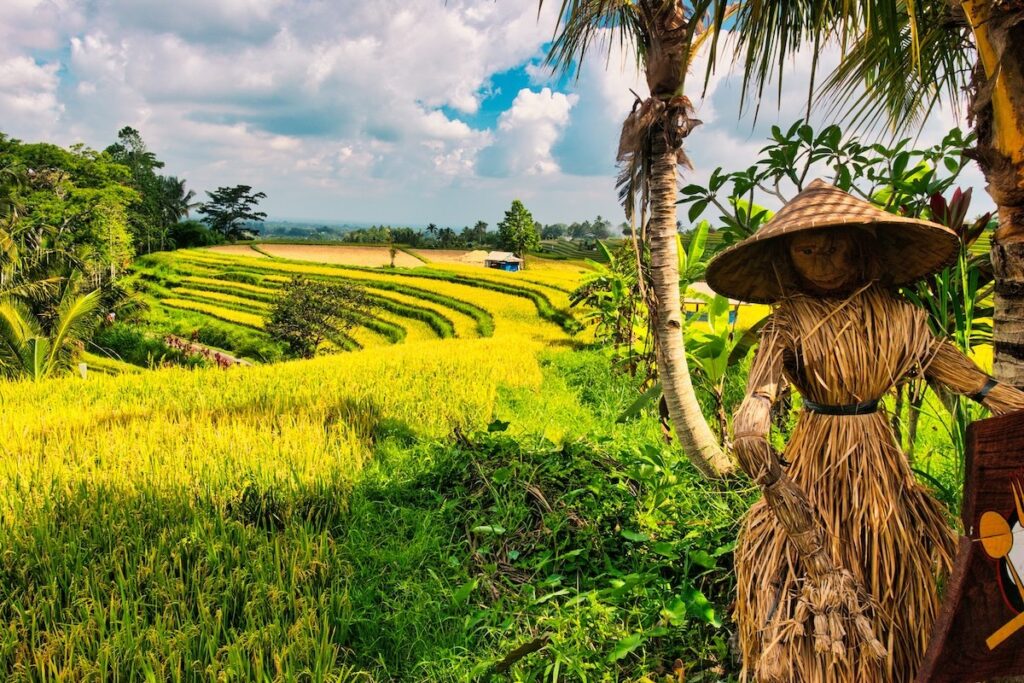
Jatiluwih is one of those places that’s relaxing the moment you arrive. It’s quiet, spacious and spread out over a huge area, so even on busy days you’re never shoulder-to-shoulder with other tourists.
Most of the viewpoints are right by the main road, but once you step onto the trails, you’re surrounded by nothing but rice fields, small temples and the sound of running water from the Subak channels. It’s very peaceful compared to Bali’s more touristy spots.
Jatiluwih Lookout
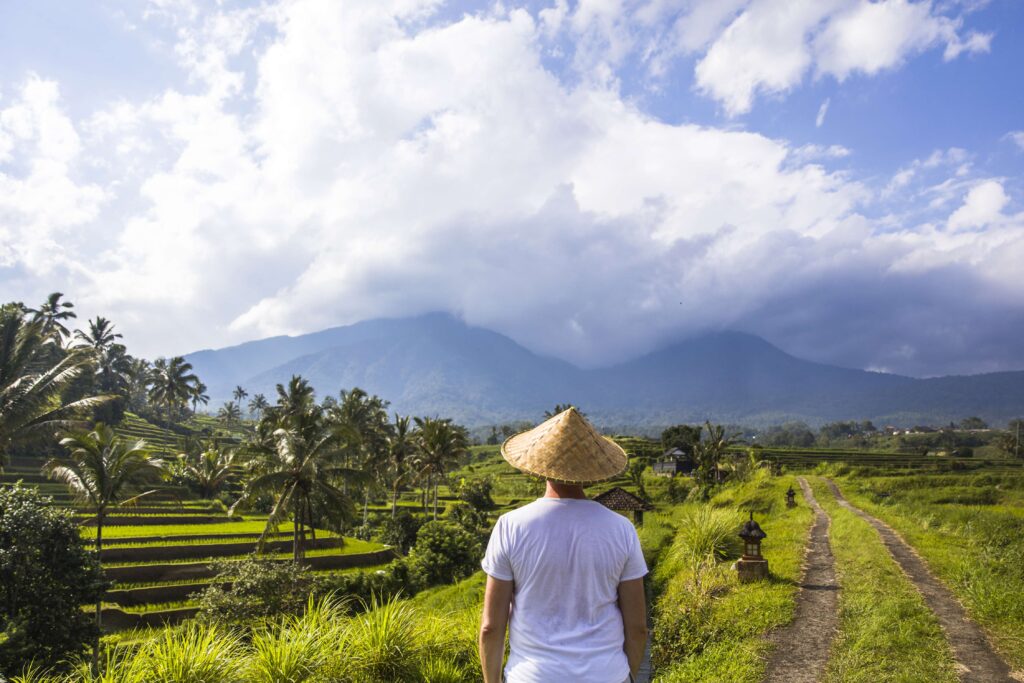
This is the first big viewpoint you’ll see once you reach the main entrance area.
It’s the classic wide panorama: layers of terraces rolling down the valley with Mount Batukaru behind them. It’s an easy stop if you’re not planning to walk far, and it gives you a great overview of how massive the landscape actually is.
Walking Trails
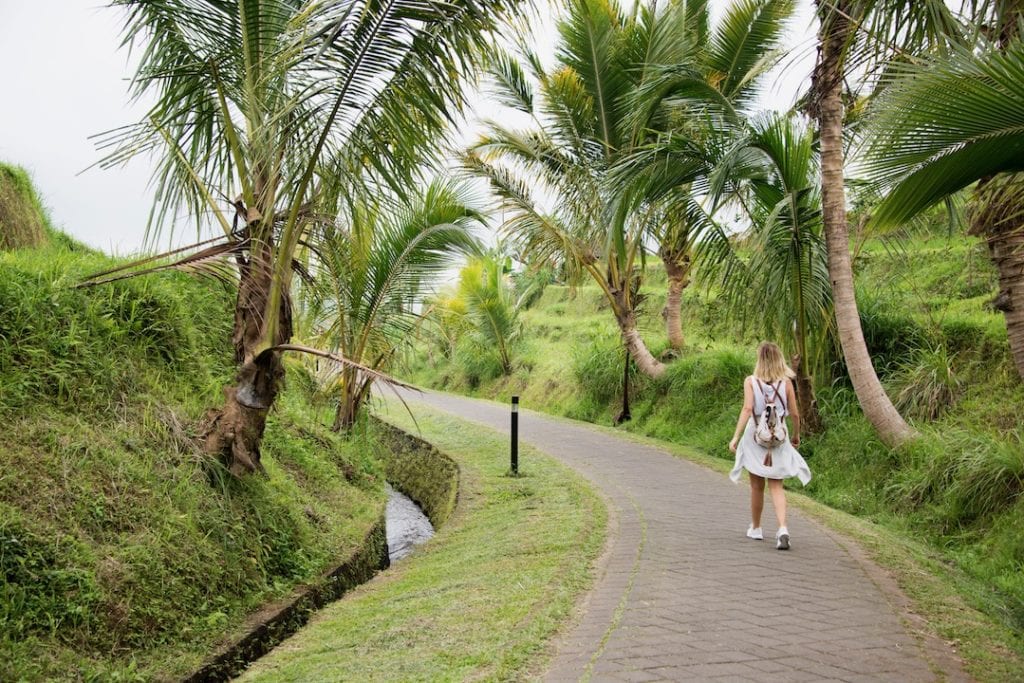
Jatiluwih has several marked hiking routes that range from quick 20-minute loops to longer trails that take two or three hours. They’re well-maintained and follow the Subak canals through the lower and upper terraces.
You can take your time, stop for photos, or just wander wherever looks interesting; there’s no wrong way to explore. The paths are mostly flat, but expect the occasional muddy patch if it’s rained.


Photo Spots
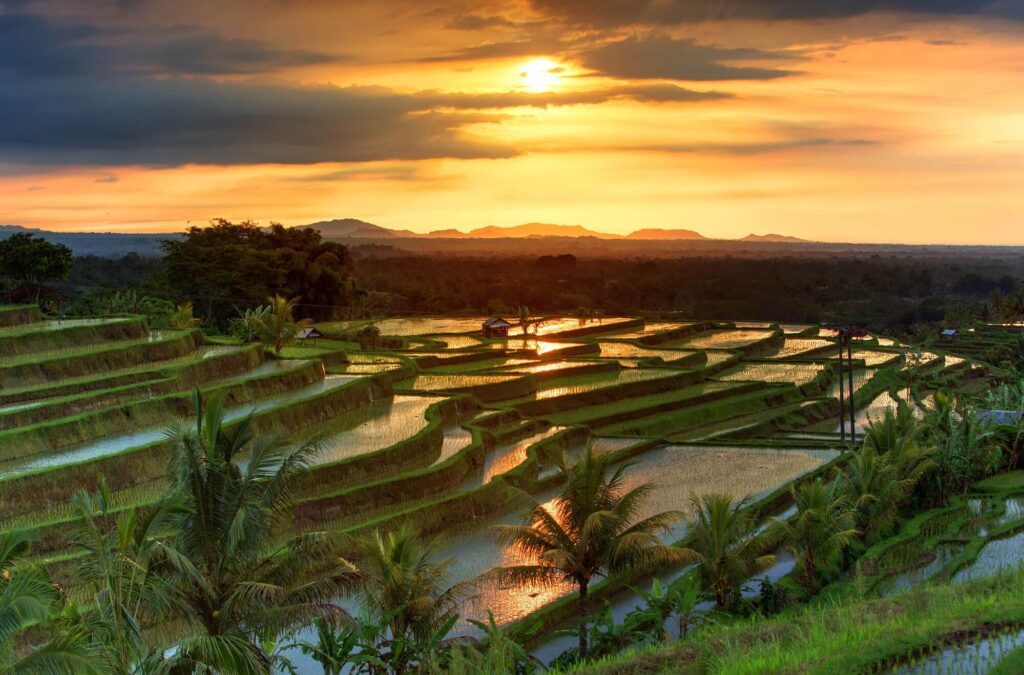
There are loads of beautiful spots along the trails, especially where the terraces curve into the valley. The best lighting is early morning or late afternoon when the sun hits the rice at an angle, creating stunning views.
You’ll see small huts, bridges, and viewpoints built by local farmers — all perfect for photos. If the rice is in its taller stages, the fields look especially lush.
How Long To Spend There
Most people spend about two hours here, but if you enjoy walking, you can stay half a day without getting bored.
If you’re coming from Canggu or Ubud on a day trip, two to three hours is enough to see the main viewpoints, walk some of the trails, and grab lunch nearby.
Facilities
There are a few small restaurants and warungs around the main entrance, plus toilets and parking. Don’t expect big tourist infrastructure – this is a quiet rural area – but everything you need is here. Some of the cafes have great views over the fields if you want a break before or after your walk.
What To Bring And Wear
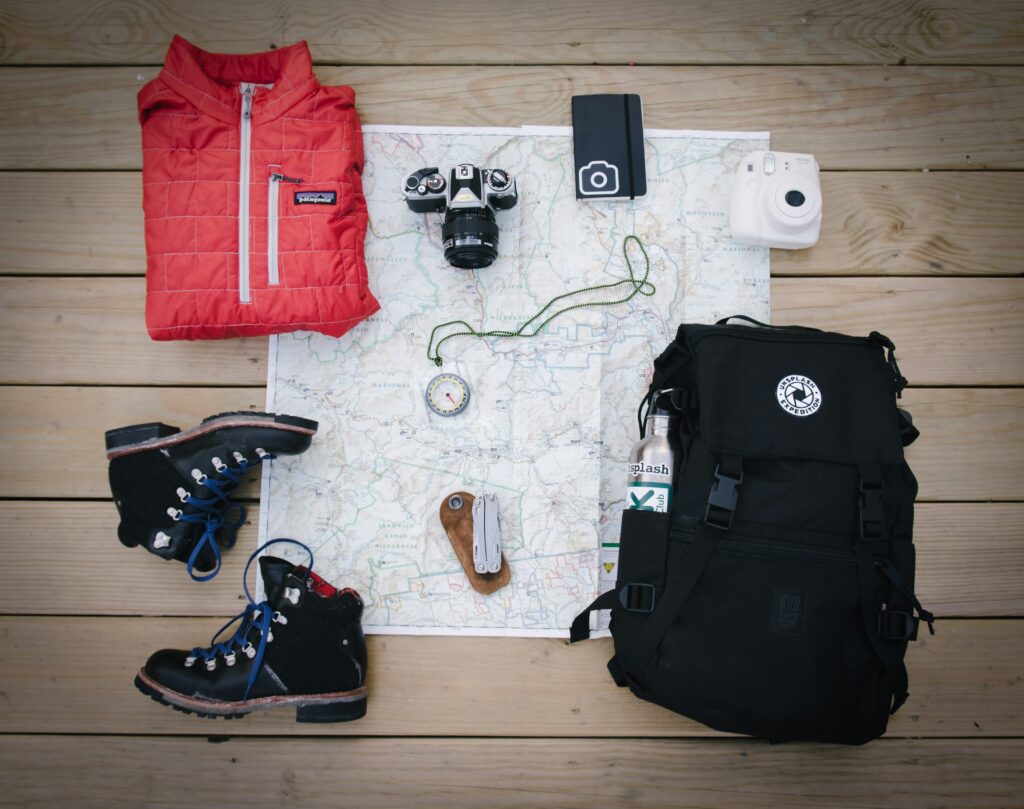
Wear comfortable shoes that you don’t mind getting dusty or muddy. Light clothing is good for the daytime heat, and a hat is useful if it’s sunny because there’s very little shade on the trails.
Bring water, some cash for snacks or parking, and a rain jacket if you’re visiting in the wet season. The weather can change quickly this high up.
Respect Local Customs
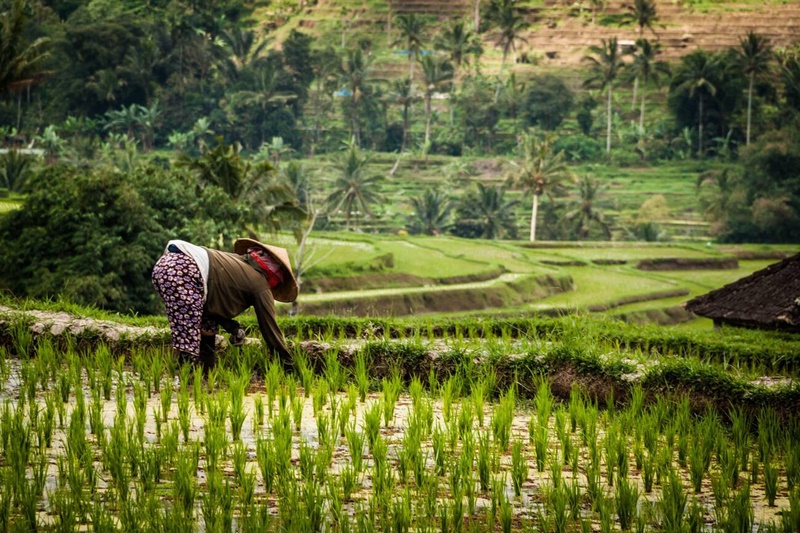
Jatiluwih is a living landscape, not just a tourist attraction. Farmers are working here every day, so stick to marked trails and avoid stepping on the rice bunds. This is local life and local culture at work here.
If you pass a small temple or shrine, keep your distance and don’t climb on the structures. A friendly smile goes a long way – the locals are used to visitors and generally very welcoming.


About The Jatiluwih Rice Terraces
Jatiluwih is one of the oldest and most impressive rice-growing areas in Bali, with terraced rice paddies that stretch across the slopes of Mount Batukaru. Farmers here have shaped the landscape for centuries, carving the hills into layers that follow the natural contours of the mountain.
The result is a huge open valley of green fields, winding canals and viewpoints in every direction. Even though it’s a major attraction today, Jatiluwih still feels calm and traditional, and the farming methods are very much part of everyday life.
The local community work together in harmony with each other and with nature, and everyone does their part to stick together, even in the face of a natural disaster.
The Subak Irrigation System
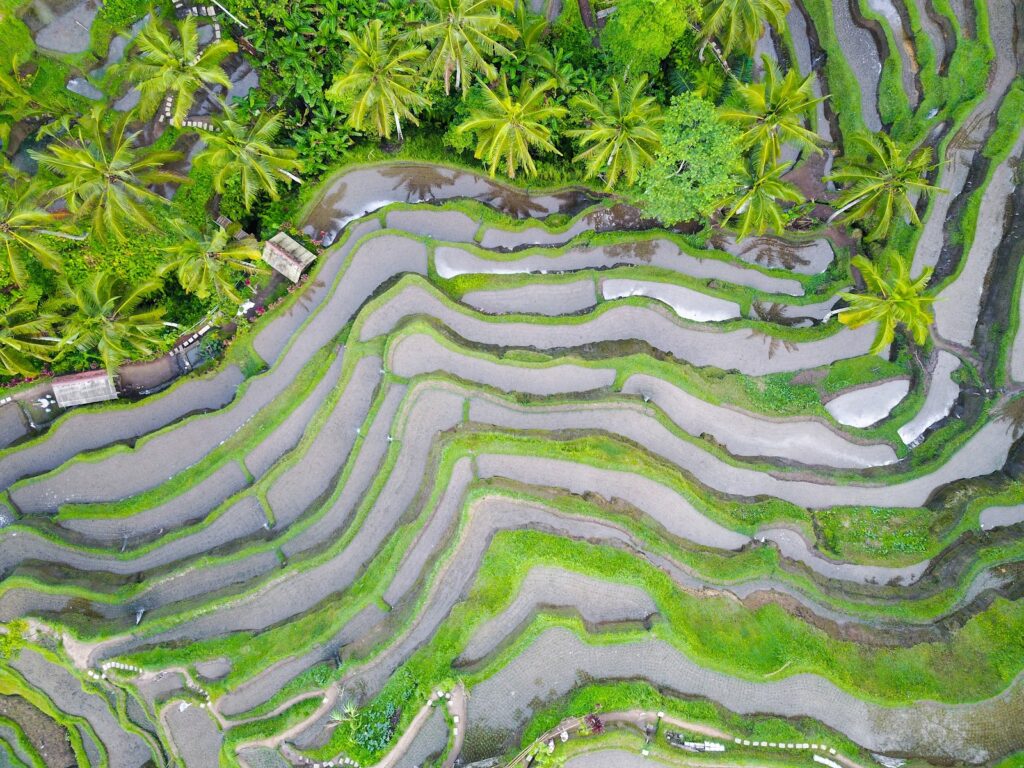
The terraces at Jatiluwih are fed by the Subak system, a network of canals, tunnels and water temples that links the entire region together. Subak is fully cooperative; farmers share water fairly and make decisions together, which keeps the whole area balanced.
Water flows from springs higher up the mountain and is distributed through small channels that run alongside the paths. You’ll hear the water before you see it, and it’s one of the things that makes Jatiluwih feel so peaceful.
Religious Significance Of The Subak System
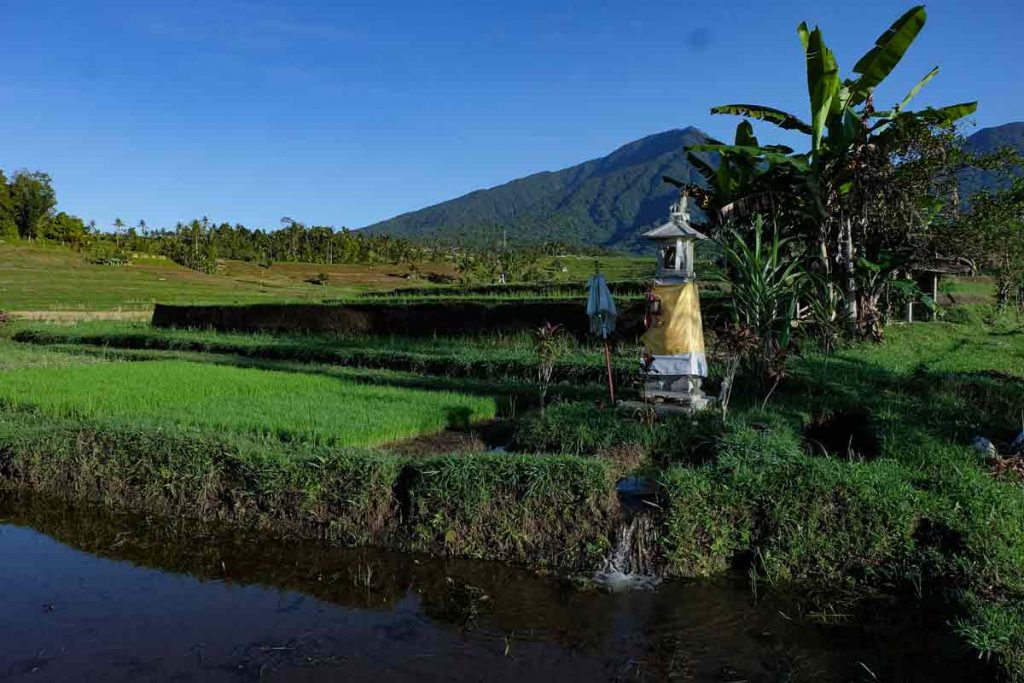
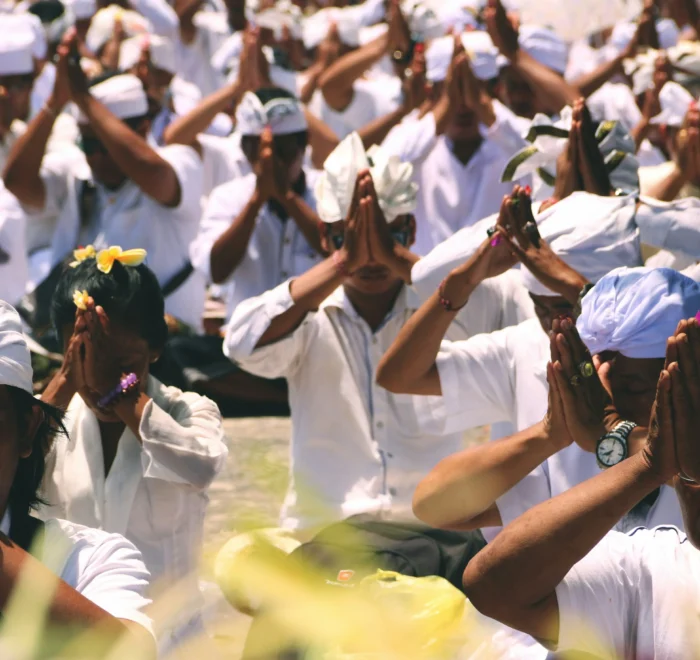
Subak isn’t just about irrigation. It’s tied to the Balinese philosophy of Tri Hita Karana, which focuses on harmony between people, nature and the spiritual realm.
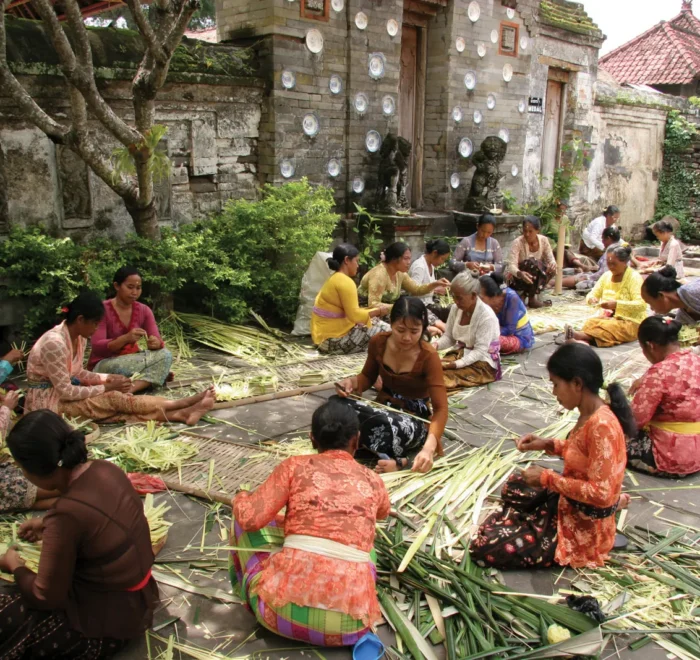
Farmers make offerings at small shrines throughout the terraces to thank the gods for water and healthy crops.
When you walk through Jatiluwih, you’ll see little temples and baskets of fresh flowers — these are part of the daily rituals that keep the system in balance.
UNESCO World Heritage Site
Because of the Subak system and the long history of rice farming in this area, Jatiluwih was recognised as a UNESCO World Heritage Site in 2012. UNESCO protects both the landscape and the traditions that keep it running, so the terraces can be preserved for future generations.
It’s one of the few places in Bali where you can see agriculture, culture and spirituality working together on such a huge scale.
Where To Stay Near The Jatiluwih Rice Terraces
A fair selection of accommodation surrounding the rice terraces, from budget digs to fancy villas.
Bhuana Agung Villas
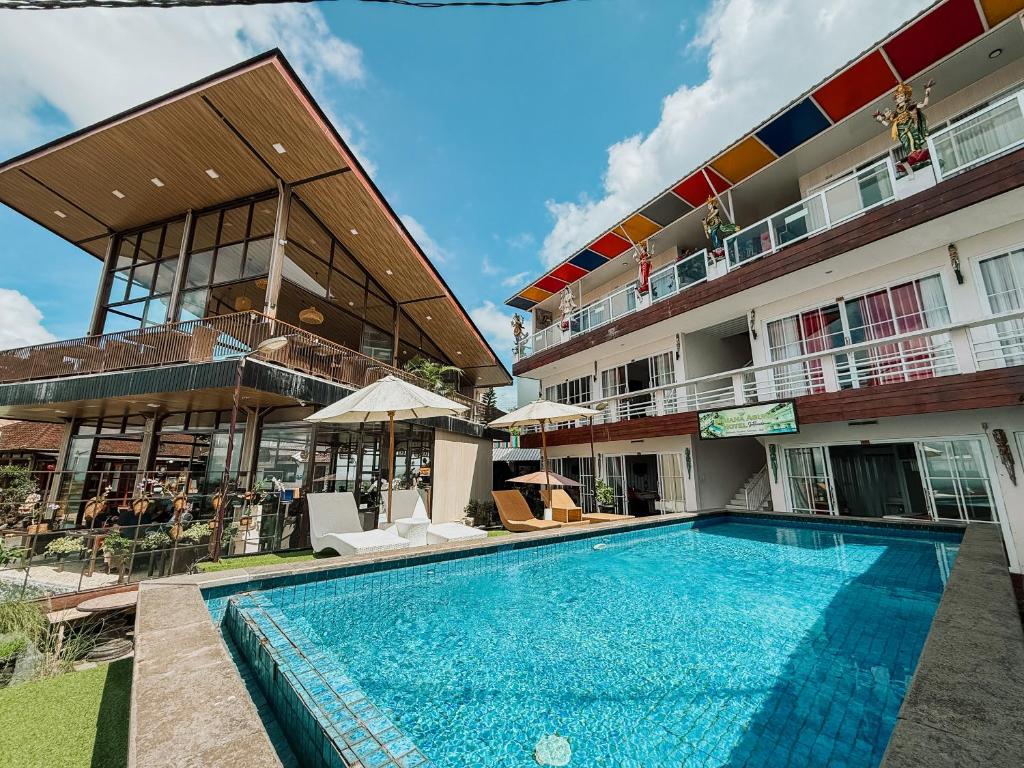
A simple and comfortable place to stay right by the rice terraces. Rooms are spacious, the setting is peaceful, and the on-site restaurant has beautiful views over the fields. It’s a good pick if you want something affordable and close to the main walking trails.
Where Is It? Jalan Raya Jati Luwih, Jatiluwih, Tabanan, Jatiluwih, Kec. Penebel, Kabupaten Tabanan, Bali 82152, Indonesia
Online:


Aurora Cabins by Panoramika
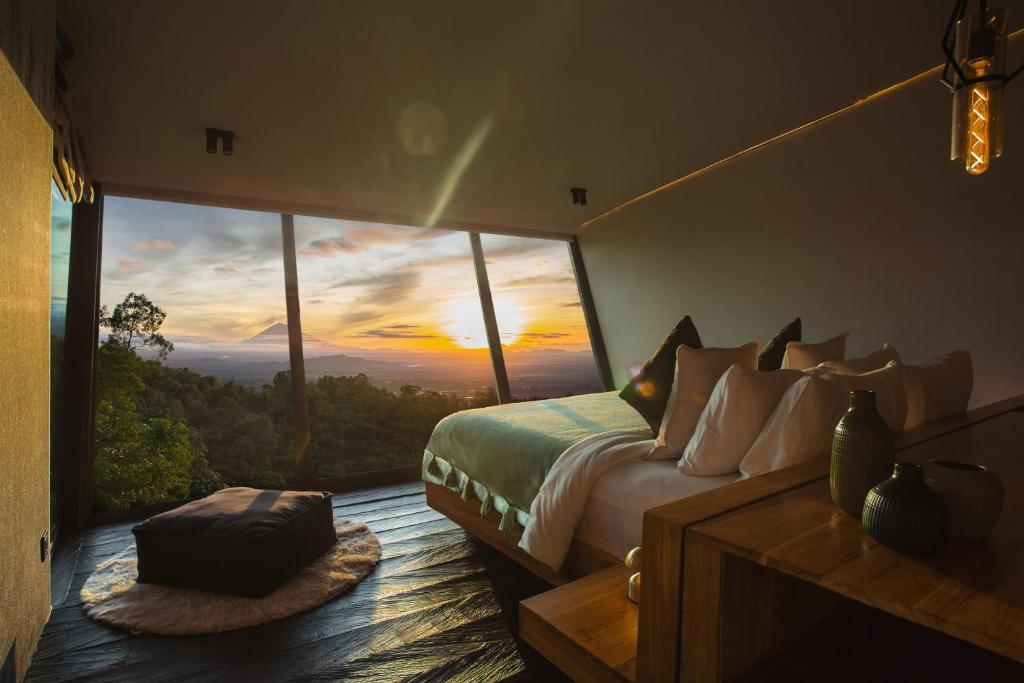
These two-storey glass-fronted cabins are unreal for the price. Private, stylish and overlooking the hills, they’re a proper treat without being too expensive. A great option if you want something memorable rather than just a place to sleep.
Where Is It? Pura Luhur Dalem Sading, Jatiluwih, Kec. Penebel, Kabupaten Tabanan, Bali 82152, Indonesia
Online: Instagram
Yeh Baat Ricepaddy Lodge & Resto
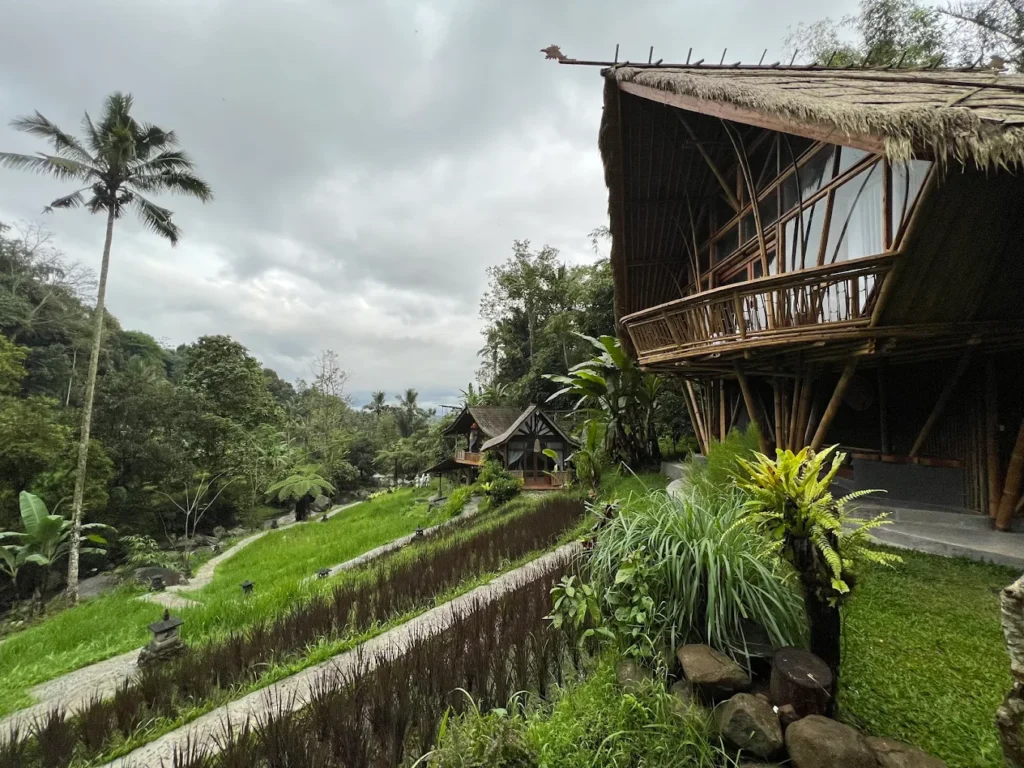
A very chill lodge tucked right into the landscape. It’s simple but cosy, with a small restaurant on site and great views from the rooms. Ideal if you want to stay somewhere quiet and feel properly out in nature.
Where Is It? J4MH+XH2, Jatiluwih, Penebel, Tabanan Regency, Bali 82152, Indonesia
Online: Yeh Baat Bali
Where To Eat Near The Jatiluwih Rice Terraces
In the whole of the Jatiluwih area, for a place that feels like the middle of nowhere, there are loads of spots to eat. Most places overlook the paddies, so you get great views with your meal.
Bhuana Agung Restaurant
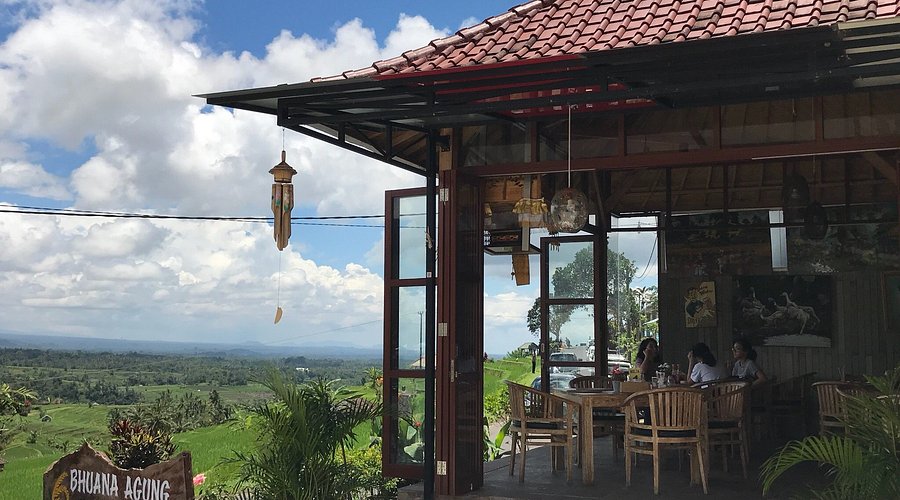
The restaurant is linked to Bhuana Agung Villas. It’s an Indonesian menu with a slightly fancier twist, and the outdoor seating looks right across the fields. Great views, good food and a nice place to relax before or after walking the terraces.
Where Is It? Jl. Jatiluwih Kawan, Jatiluwih, Kec. Penebel, Kabupaten Tabanan, Bali 82152, Indonesia
Online: Instagram
The Lava Resto
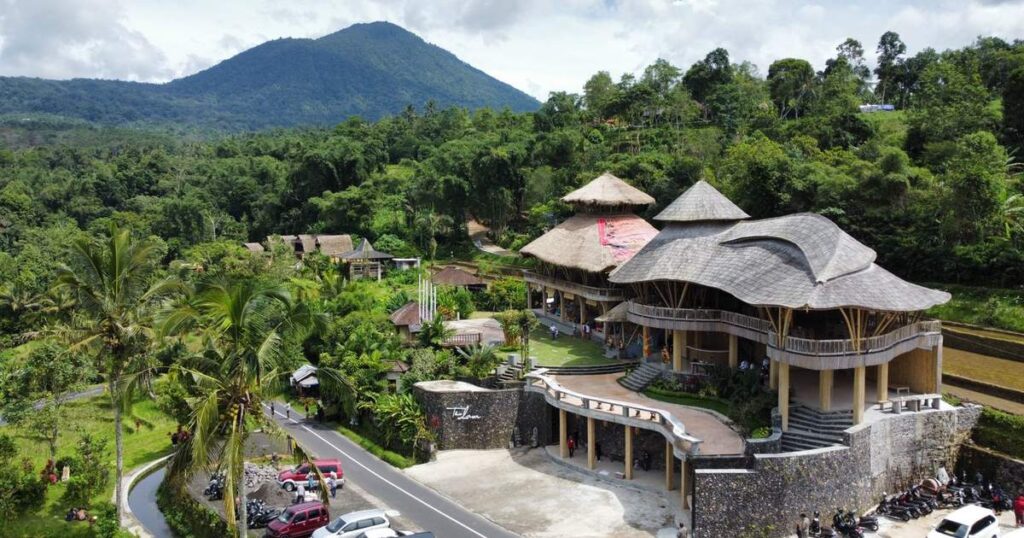
A very cool building with wide-open views over Jatiluwih. The food is great, the coffee is even better, and it’s one of the nicer spots in the area to sit and enjoy the scenery. Easy place to recommend.
Where Is It? J4QR+43, Senganan, Penebel, Tabanan Regency, Bali, Indonesia
Online: Linktree Lava Bali
CataVaca Jatiluwih
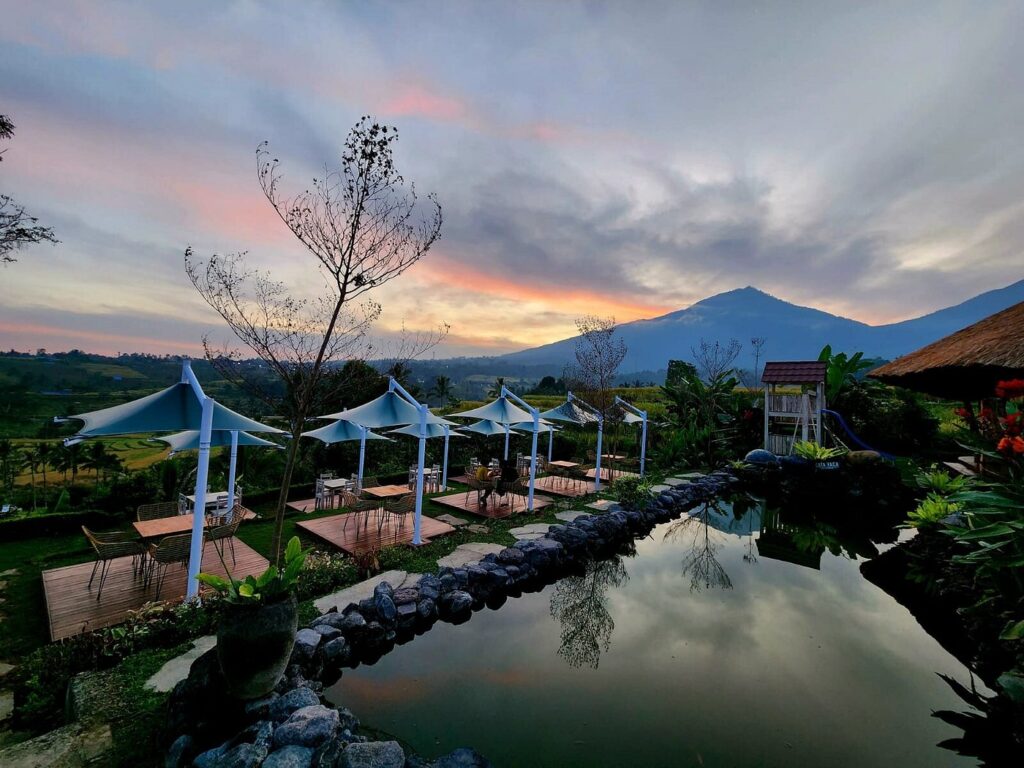
A relaxed cafe overlooking the fields, known for its tea, coffee, rice tea and a mix of Balinese dishes and health-focused options. Light, airy and a nice choice if you want something simple without losing the views.
Where Is It? Br. Dinas Gunungsari Kelod, Jatiluwih, Kec. Penebel, Kabupaten Tabanan, Bali 80671, Indonesia
Online: CataVaca
Things To Do Near The Jatiluwih Rice Terraces
There are actually loads to see in the Jatiluwih area, thanks to the region’s natural beauty. If you’re already up here for the terraces, it’s easy to turn the day into a proper adventure.
Mount Batukaru
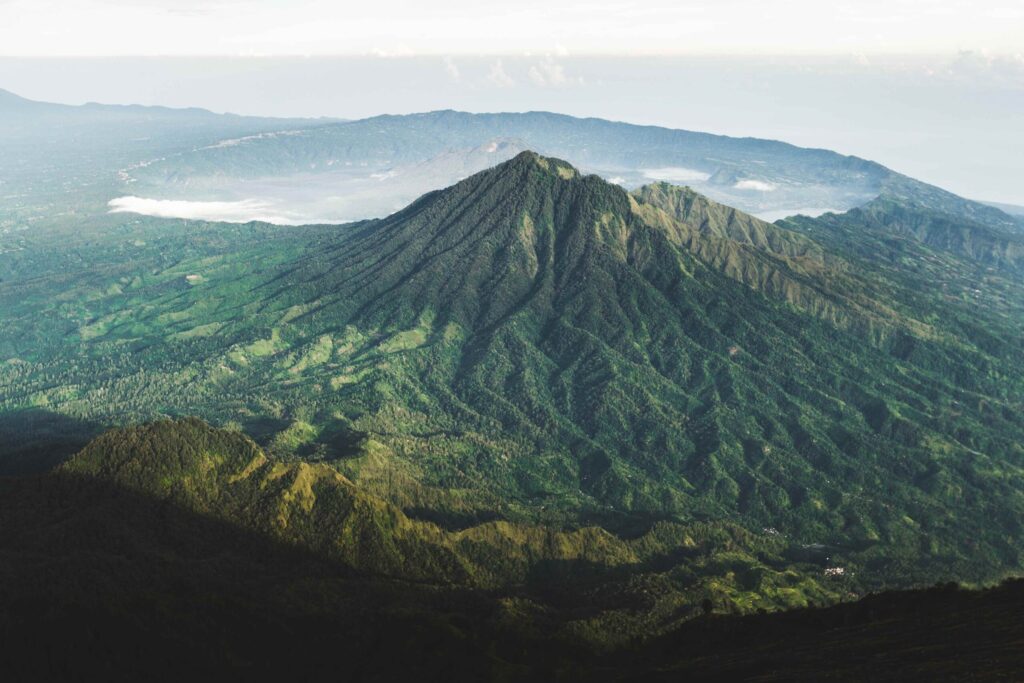
The terraces sit on the lower steps of Mount Batukaru, but if you’re thinking about climbing it, just know it’s not as straightforward as it looks on the map.
Most treks start on the western side, and the trail is known for being tough, steep and pretty overgrown in places. It also doesn’t get much press because it’s genuinely hard to find a reliable guide up here -there aren’t many operators running Batukaru hikes compared to other mountains in Bali.
Pura Luhur Batukaru
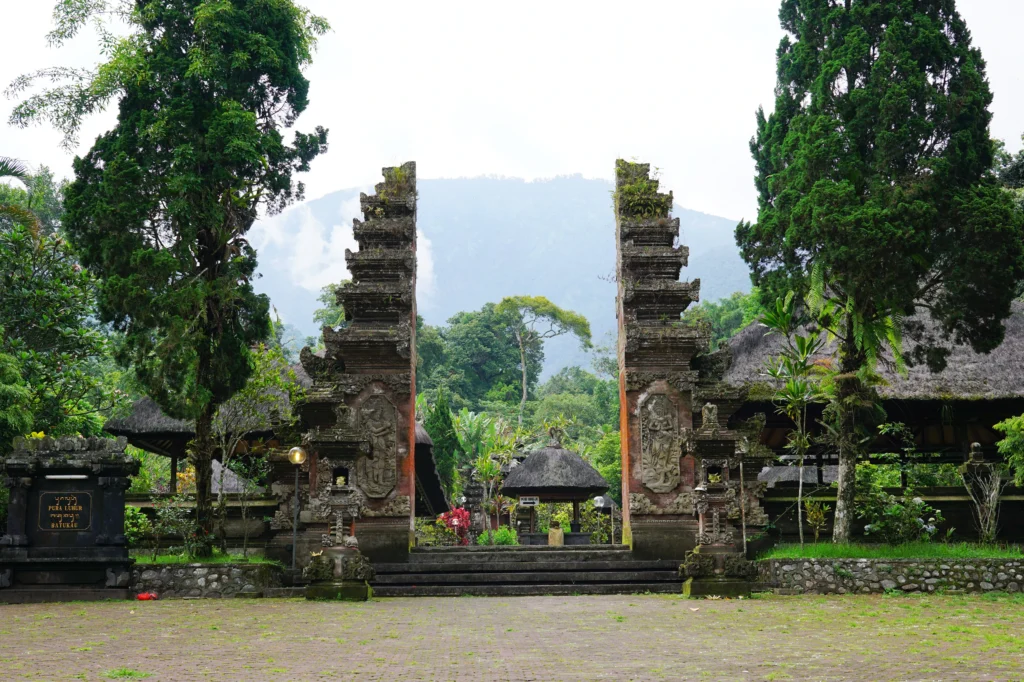
Given the religious significance of Mt Batukaru and the Subak irrigation system, there are many temples in the area, but this is one of the more important ones.
It’s surrounded by forest and always feels peaceful, and you can really see the connection between the mountain, water, and local farming traditions.
Where Is It? Jl. Penatahan – Wongayagede, Wongaya Gede, Kec. Penebel, Kabupaten Tabanan, Bali 85125, Indonesia
Babahan Crystal Water
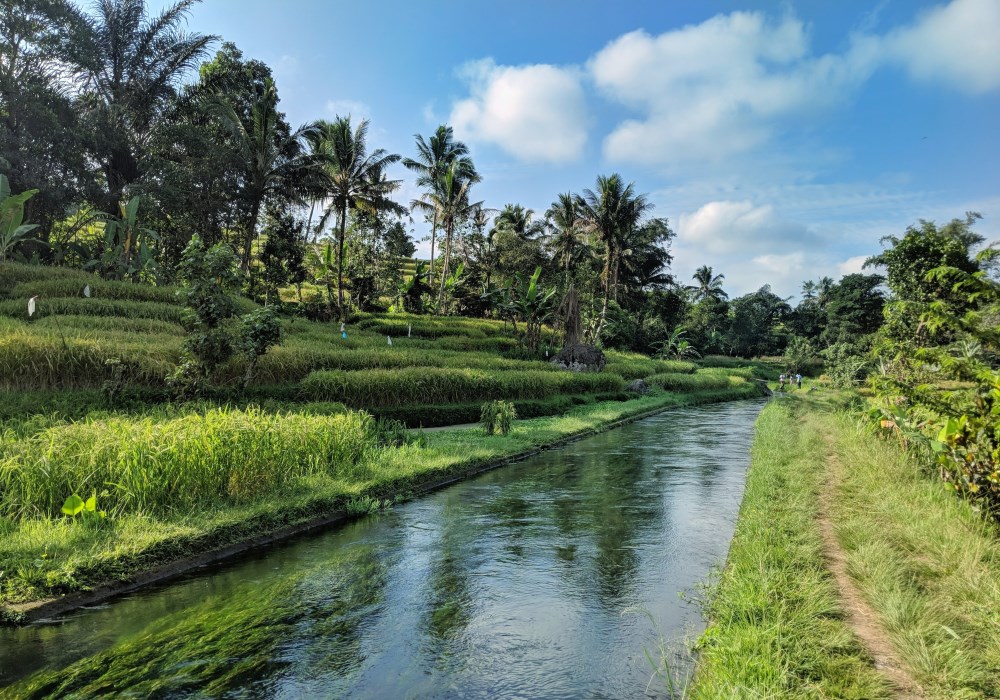
A cool tubing spot where you float down the river for around 30 minutes. It’s a bit of a hidden gem and a bit of a trek to reach, but that’s part of the charm. The water is clean and cold, and the whole experience is very laid back.
Be warned, during the rainy season, the river might be too fast-flowing to tube down.
Where Is It? Babahan, Penebel, Tabanan Regency, Bali 82152, Indonesia
Wahana Wisata Sambhrama Ashram
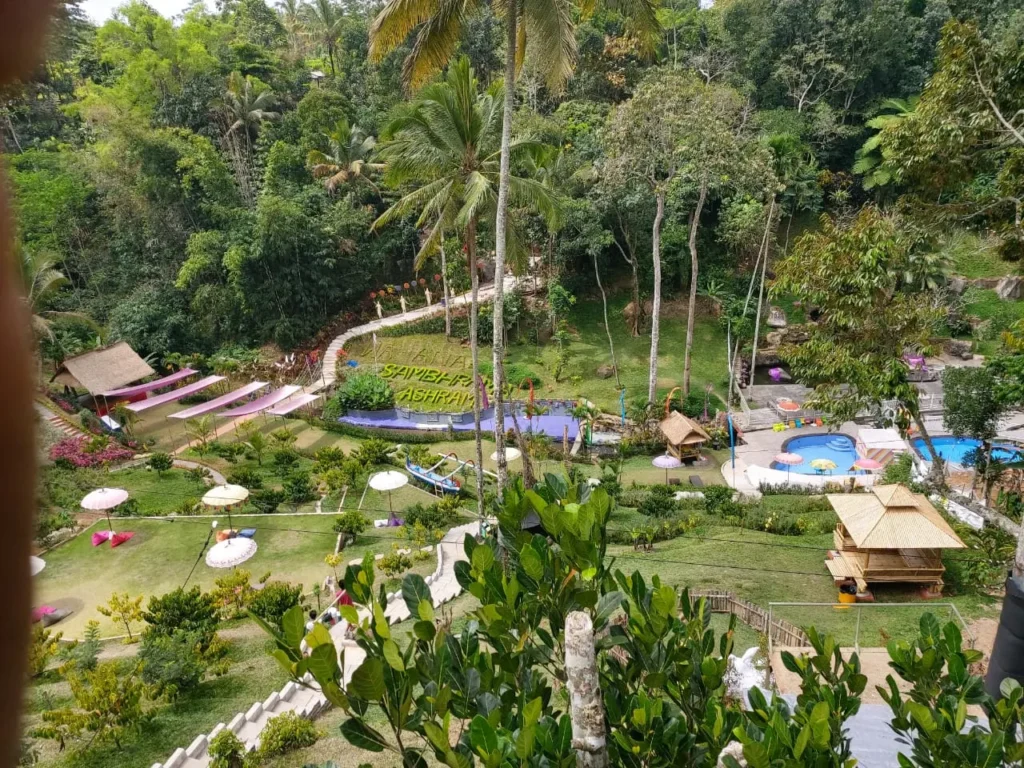
A chill spot with a swimming pool, zipline and archery. It’s fun and relaxed at the same time, and a good option if you want something different after walking the terraces.
Where Is It? Senganan, Penebel, Tabanan Regency, Bali 82152, Indonesia
Online: Instagram
Leke Leke Waterfall
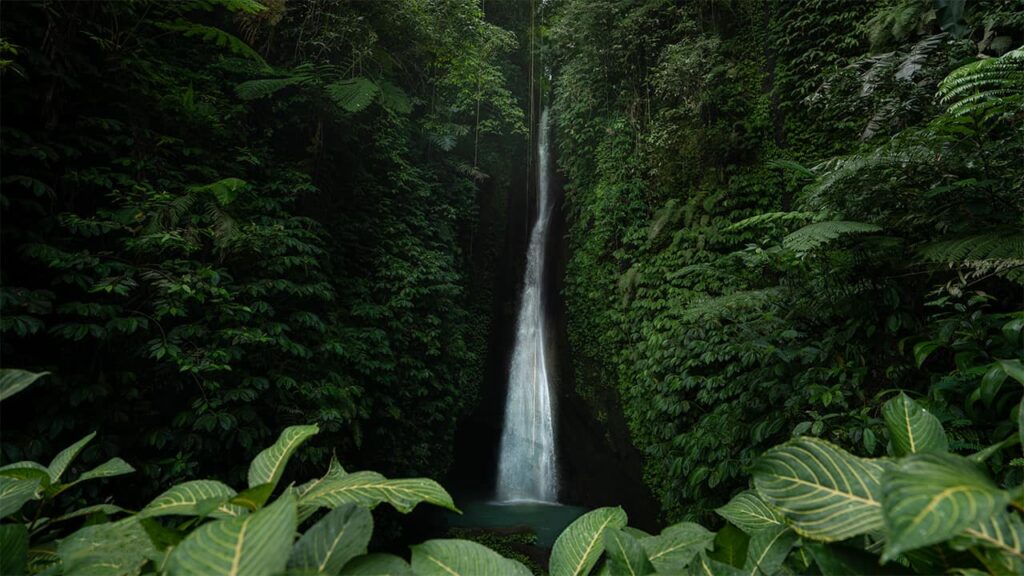
There’s no shortage of waterfalls in this area, given the geography, but Leke Leke is arguably the best one. It’s photogenic, easy to reach, and set in a lush valley with a nice track leading down to the base.
Where Is It? Kerobokan, Jl. Swadaya, Mekarsari, Kec. Baturiti, Kabupaten Tabanan, Bali 82191, Indonesia
Yeh Hoo Waterfall
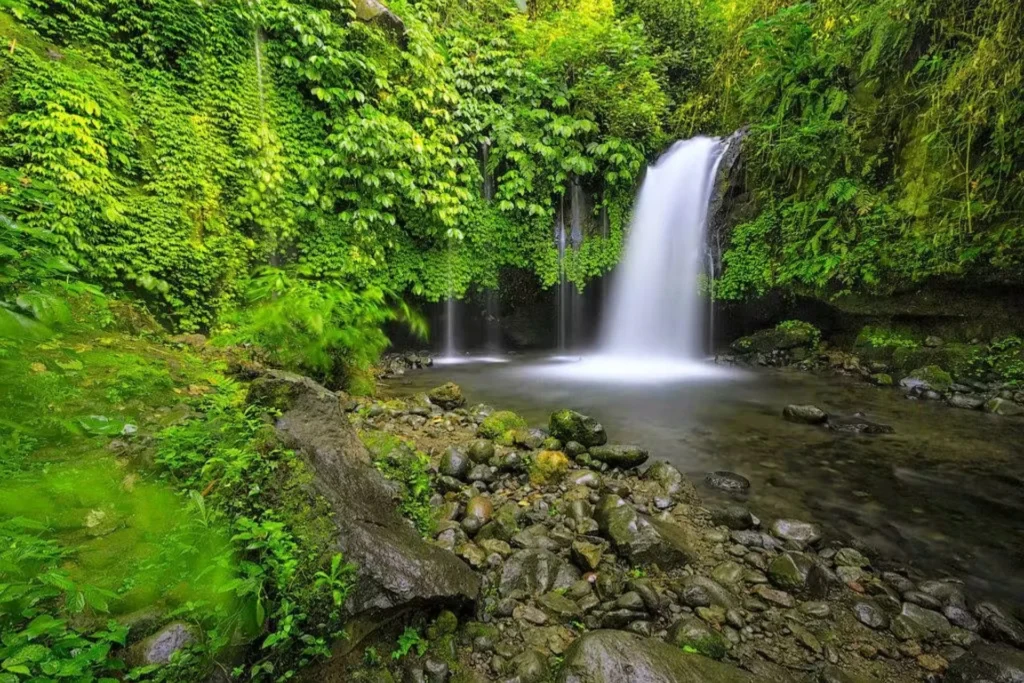
This waterfall is pretty cool, and very close to the rice terraces. It’s a quick stop with a short walk, so it’s perfect if you’re looking for something nearby without committing to a longer trek.
Where Is It? Senganan, Penebel, Tabanan Regency, Bali 82152, Indonesia


FAQs
Are The Jatiluwih Rice Terraces Worth Visiting?
Absolutely. If you want a quieter, more authentic look at Bali’s countryside, Jatiluwih is one of the best places you can visit.
The views are incredible, there’s heaps of space to walk, and it’s nowhere near as crowded as Tegallalang. It’s also part of a UNESCO World Heritage Site, so you’re seeing something genuinely important to Balinese culture, not just a photo spot.
It’s arguably one of the most wonderful places in Southeast Asia.
Which Rice Terrace Is The Best In Bali?
Most travellers agree that Jatiluwih is the best overall. It’s larger, calmer and far more immersive than most terraces on the island.
Tegallalang is closer to Ubud and popular on Instagram, but Jatiluwih gives you the real thing without the heavy crowds or tourist traps. If you’ve got time for only one, go for Jatiluwih.
What Is The Difference Between Tegallalang And Jatiluwih Rice Terraces?
Tegalalang Rice Terraces is the smaller, busier terrace near Ubud with lots of swings, cafes and photo setups. Jatiluwih is the opposite.
It’s bigger, quieter and more natural, with proper walking and cycling trails instead of crowds and queues. Tegallalang is easy for a quick stop, but Jatiluwih is the better experience if you want to see traditional farming and the Subak system in action.
What Is The Largest Rice Terrace In Bali?
Jatiluwih is the largest rice terrace in Bali by a long way.
It covers a huge section of the mountain slopes and stretches across multiple valleys, making it far bigger than places like Tegallalang.
This is also why it feels so open and peaceful; the scale is massive, and the whole area is still actively farmed using traditional methods.
How Do You Get To Jatiluwih Rice Terraces?
Most people get there with a private driver because it’s comfortable and easy, especially if you want to stop at waterfalls or temples on the way. You can also join a group tour or ride a scooter if you’re confident on Bali’s roads.
The area is rural, so expect winding roads, beautiful scenery and a proper break from the busy parts of the island.
Final Thoughts On The Jatiluwih Rice Terraces
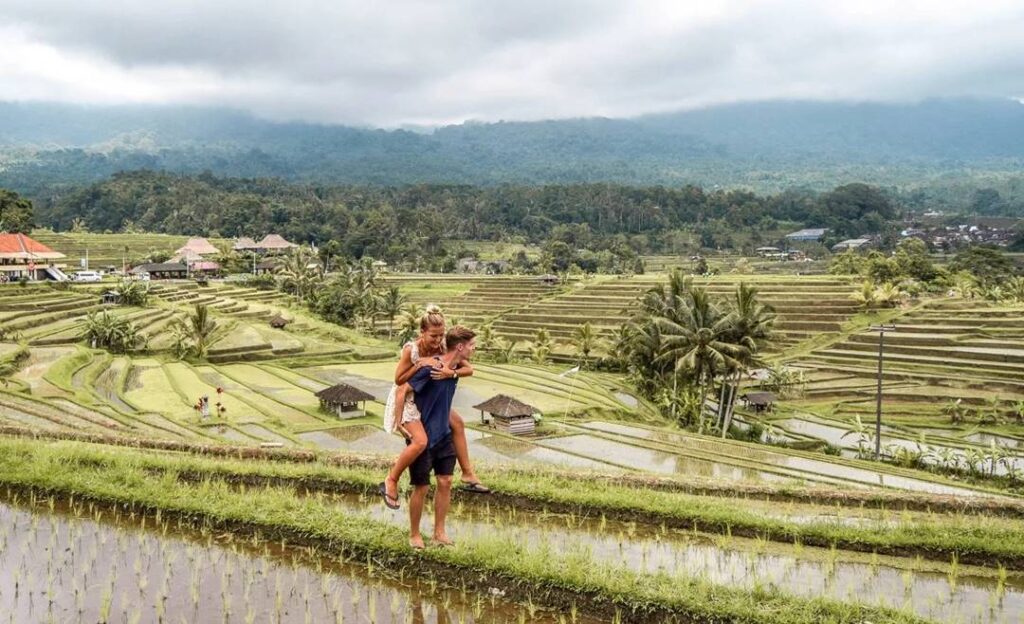
Jatiluwih is one of those places that feels completely different to the Bali most visitors know. It’s peaceful, green and genuinely cultural, and it gives you a real sense of how the island has worked for centuries.
If you want a break from the southern beaches, or you’re keen to see a part of Bali that still moves at its own pace, this is one of the best day trips you can make. Take it slow, enjoy the views and let it remind you why Bali is such a special place.