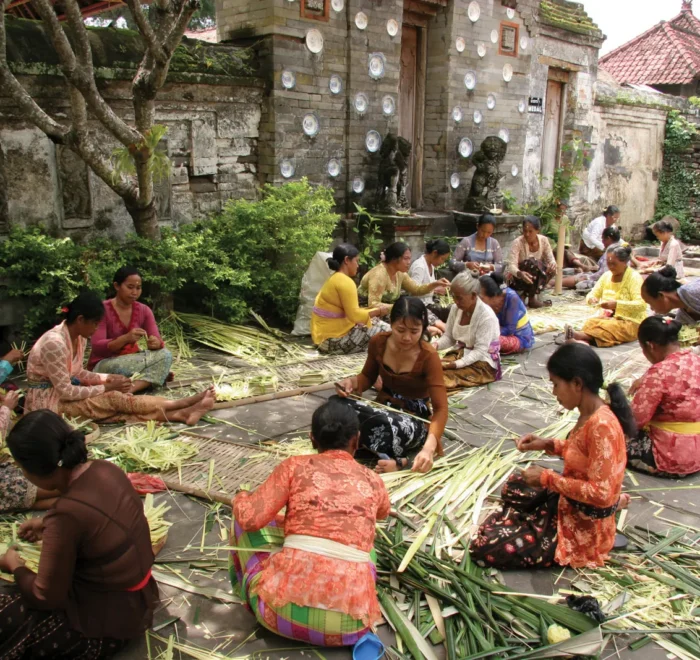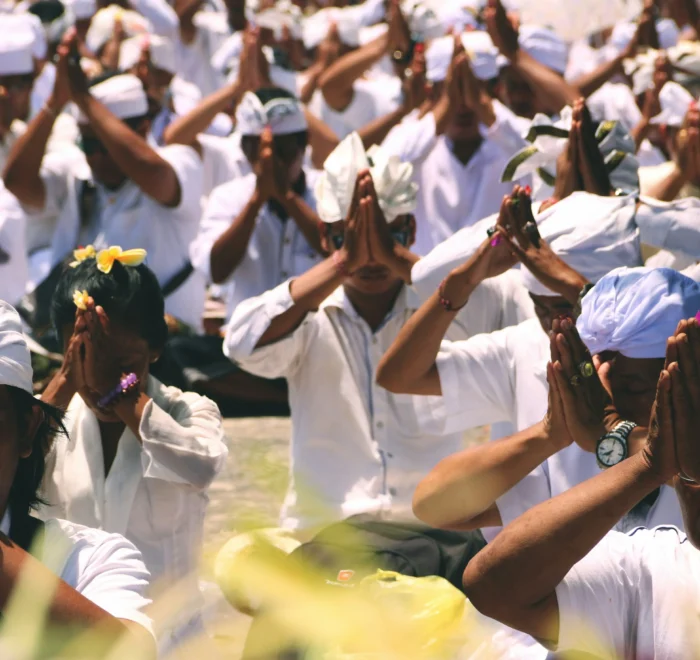
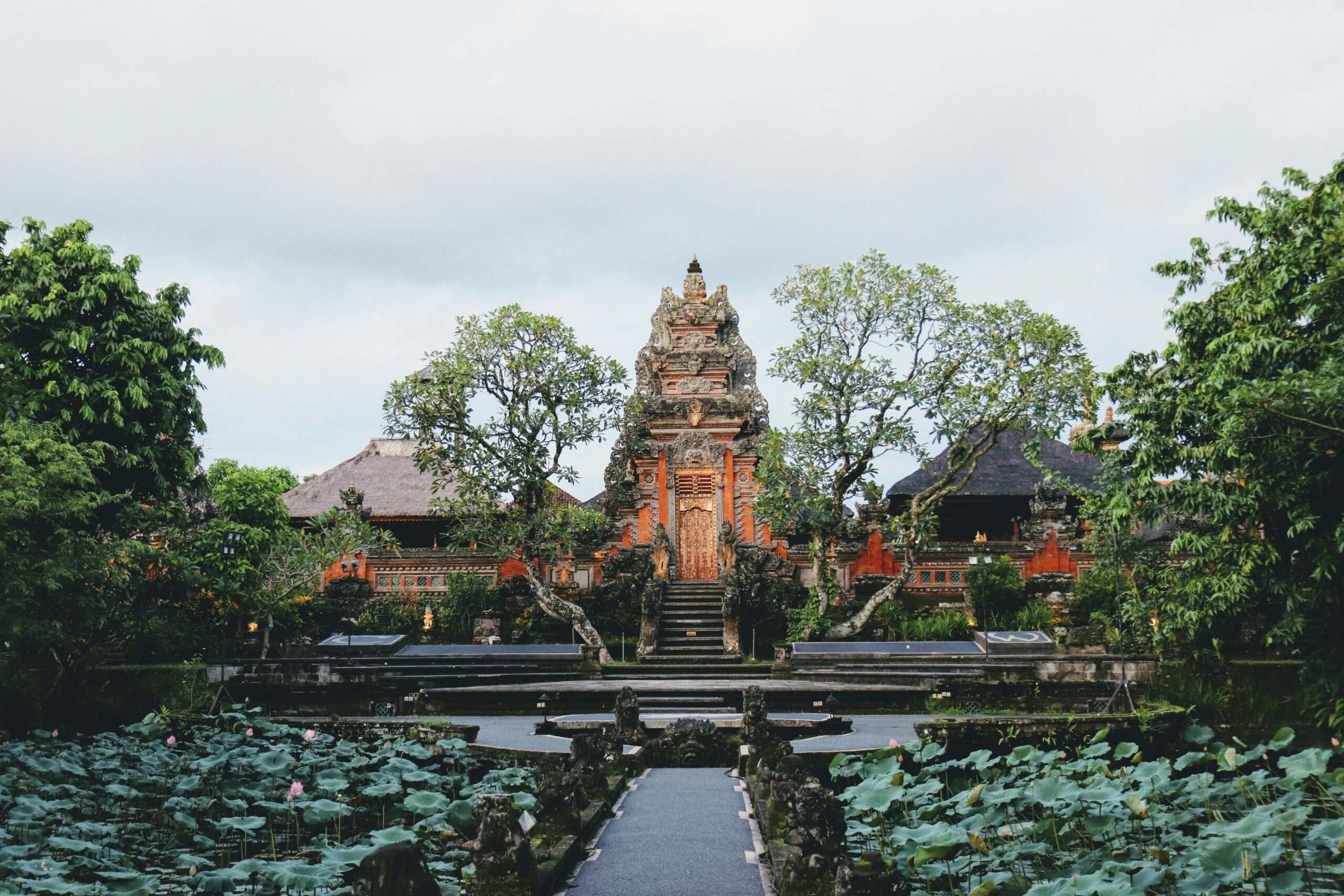
Ubud sits in the lush hills of central Bali, where everything feels greener, calmer, and a little more creative than the coast. It’s a place of jungle views, small temples, narrow backstreets, and hidden pockets of art and food. You can spend the morning wandering galleries, settle into a cafe for a slow lunch, then end up on a walking trail behind the rice fields without planning it.
There’s plenty to do here, from cultural spots and hands-on workshops to adventure activities and quiet afternoons exploring the town. You don’t need a strict schedule. Just pick a couple of things that interest you and let the rest unfold naturally.
This guide brings together the best of it so you can plan your days without overthinking it. Just pick a couple of things that interest you, leave space to explore, and let Ubud do its thing.
Summary, Editors’ Picks:
- Monkey Forest – This one goes without saying. Ubud’s most iconic attraction: towering trees, cheeky macaques, and that wild, lively energy you can’t find anywhere else. Pure Bali magic from the moment you step in.
- Valley of the Kings (Gunung Kawi Sebatu) – A dramatic, carved-into-the-cliff ancient site that feels completely otherworldly. Lush, quiet, and cinematic; it’s one of Ubud’s most impressive places to explore.
- Eat, Drink, Chill – Grab good food, sip a strong coffee, and settle into Ubud’s slow pace. No plans needed; just enjoying the day however you want.
22 Top Things To Do In Ubud
Ubud Monkey Forest
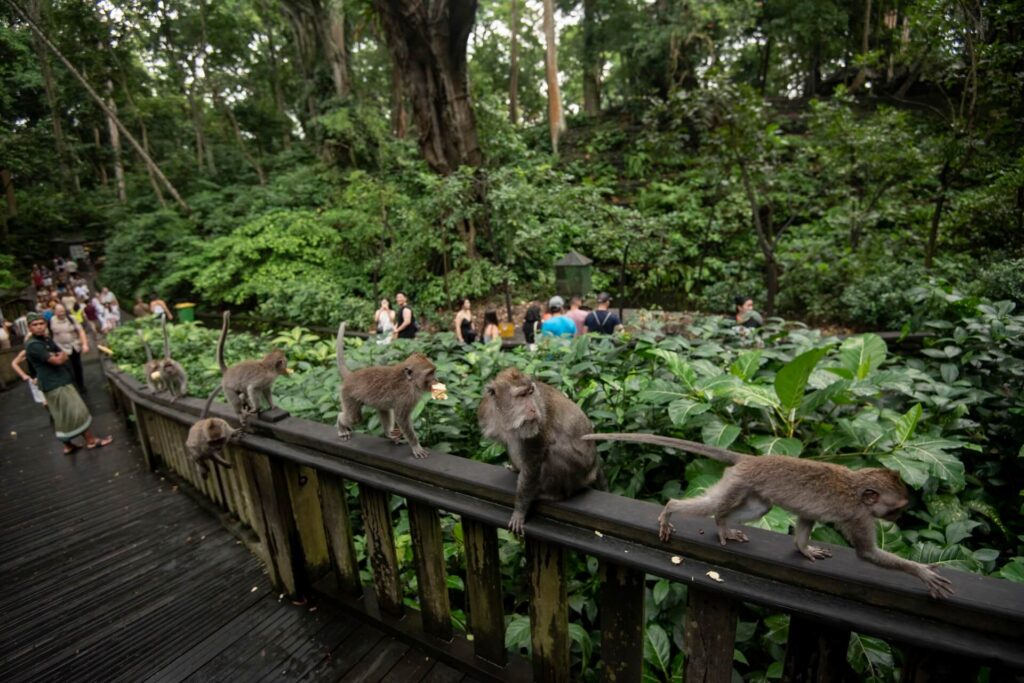
The Sacred Monkey Forest is easily one of the most iconic places in Ubud, and it’s the kind of spot you end up talking about long after you’ve left. It’s a mix of tangled jungle, ancient moss-covered temples, and hundreds of Balinese long-tailed macaques who genuinely believe the place belongs to them.
Walking the main pathways feels like wandering through a slice of old Bali, with giant banyan roots hanging overhead and stone statues slowly being reclaimed by nature. The monkeys can be cheeky, but they’re also a huge part of what makes this place feel alive, and watching them play, swim, and squabble is basically its own entertainment.
The forest is not far from the town center, easy to reach, and a good way to start your Ubud trip, especially if you want something that blends nature, culture, and a bit of chaos in the best possible way. Just keep your sunglasses in your bag.
Where Is It? Jl. Monkey Forest, Ubud, Kecamatan Ubud, Kabupaten Gianyar, Bali 80571, Indonesia
Online: Instagram
Goa Gajah – Elephant Cave
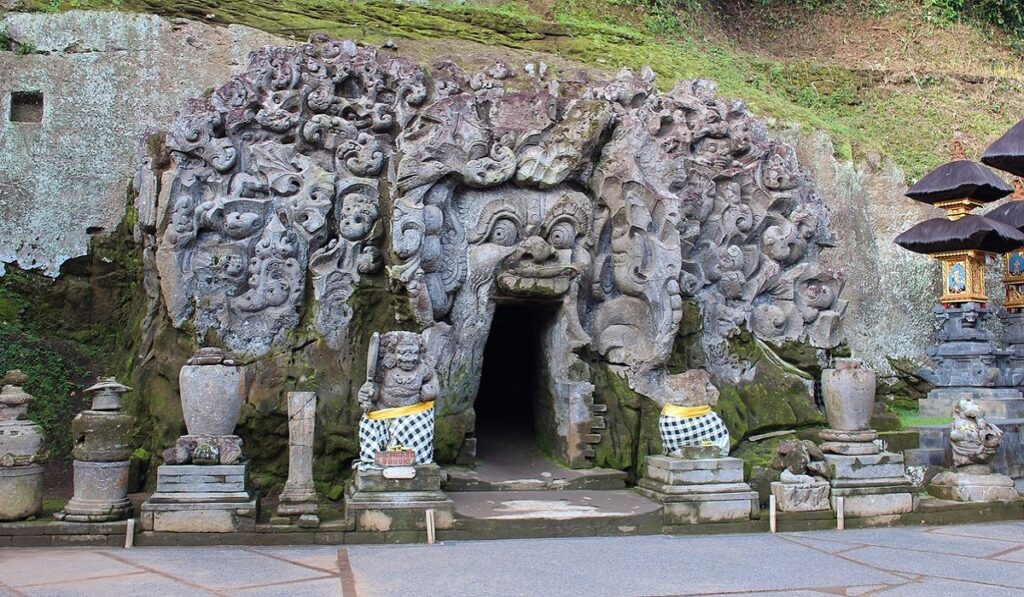
Goa Gajah is one of those places that feels older than everything around it. You walk down a short stone path through the trees, and suddenly you’re standing in front of this carved rock face with a demon-like mouth that looks like it’s watching you.
That’s the entrance to the “elephant cave”.
Inside, it’s small, smoky, and dimly lit, with a few stone shrines that people still use for worship. It’s not a long visit, but it’s one of those spots that gives you a quick glimpse into Bali’s earlier history before the island became what it is today.
Outside the cave, there are bathing pools, trickling fountains, and moss-covered walls that make the whole place feel tucked away. It’s an easy stop from Ubud and fits well alongside other temples, especially if you want something cultural without needing hours to explore. It’s peaceful, quick, and worth seeing.
Where Is It? Bedulu, Blahbatuh, Gianyar Regency, Bali, Indonesia
Online: Instagram
Purification Ritual At Pura Tirta Empul
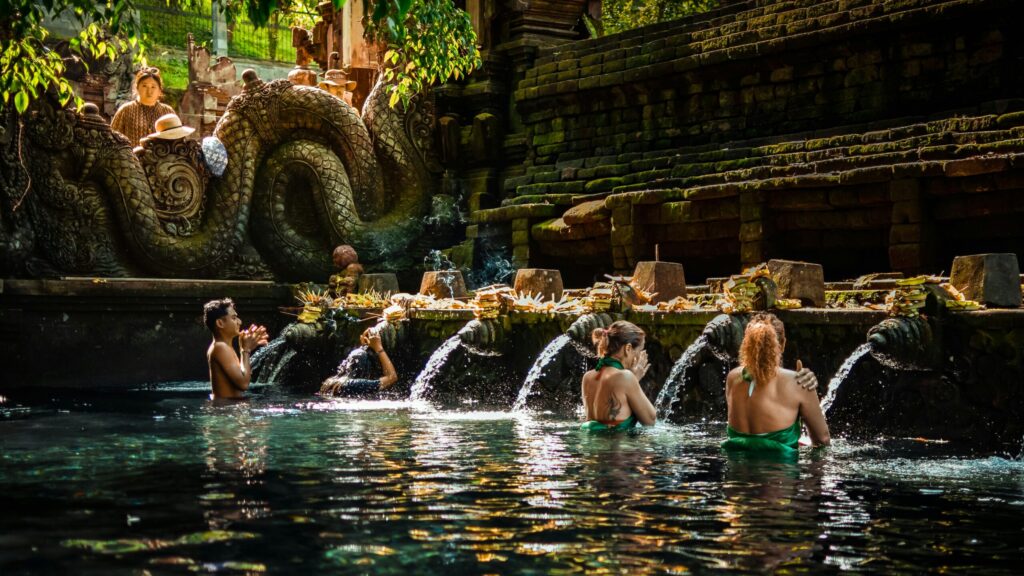
Tirta Empul is one of Bali’s most important water temples, and visiting here feels very different from the usual sightseeing stops. The main draw is the long stone pools fed by natural springs, where locals and visitors line up to take part in a traditional purification ritual, one of Bali’s most famous religious ceremonies.
You move from spout to spout, letting the cold water run over your head, and it’s surprisingly grounding even if you’re not spiritual. Everything here feels calm and purposeful, and it’s interesting to watch how much the temple still means to people who come daily.
You don’t have to take part if you’d rather just observe, but if you do join, you’ll be given a sarong and shown where to start. It’s all very straightforward. The temple grounds are big, with shrines, courtyards, and typical Balinese stonework tucked between trees. Go early if you want a quieter experience, as it gets busy later.
Where Is It? Tampaksiring, Gianyar Regency, Bali 80552, Indonesia
Online: Instgram
Explore The Ubud Restaurants & Cafes
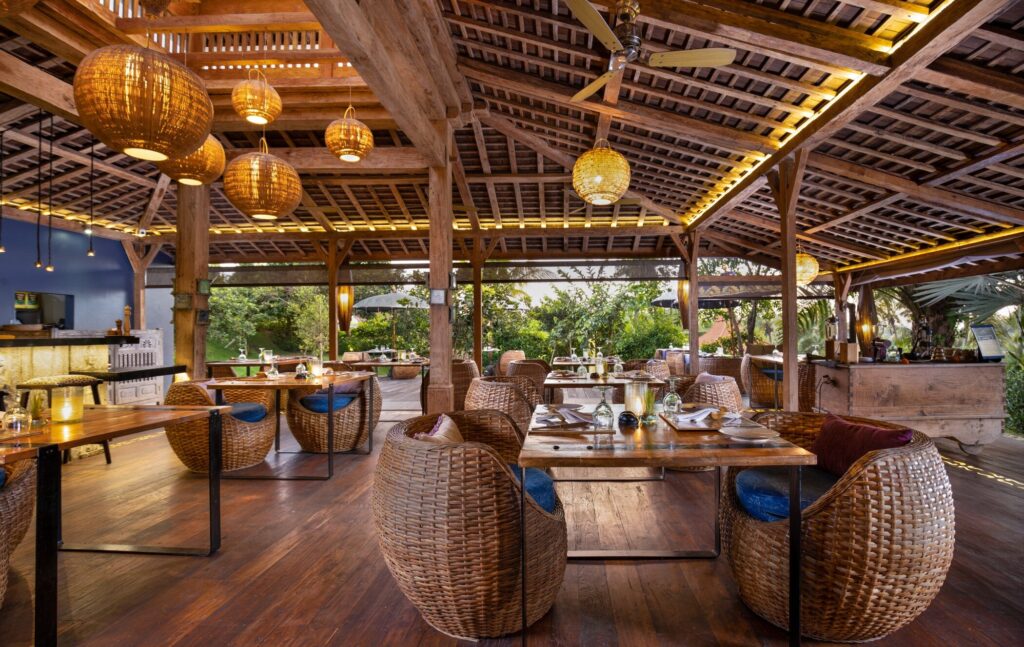
Ubud has one of the most interesting food scenes in Bali, mainly because everything sits side by side. You can start the day with a proper specialty coffee in a small roastery, grab a bowl of mie goreng or nasi campur from a tiny warung serving proper Balinese food at lunch, then end up with woodfired pizza or handmade pasta for dinner without even trying. It’s all delicious food, no matter which direction you walk.
The town attracts chefs, artists, travellers, and expats, so every street seems to have its own little mix of flavours. You’ll find plant-based spots, slow-food kitchens, burger joints, smoothie bars, and local places that still feel like old Bali – all within walking distance of each other.
What makes Ubud’s food scene so enjoyable is how casual it feels. Nothing is rushed, and you’re never far from a good cafe with rice field views or a tiny place tucked down a lane. Just wander and eat wherever it looks good.
Where Is It? Many locations
Online: n/a
Join A Cooking Class
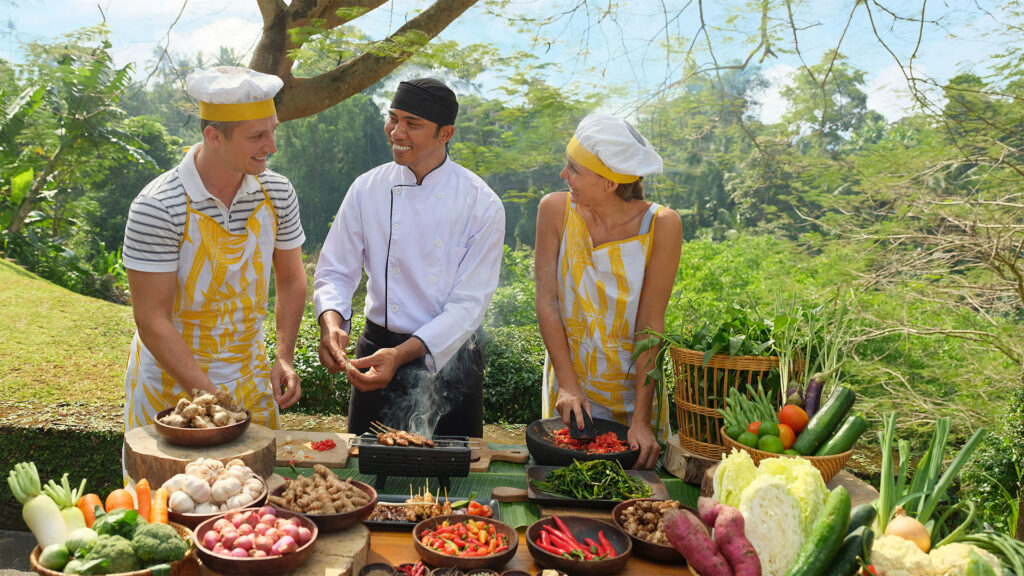
A cooking class in Ubud is one of those activities that feels relaxed but still gives you a proper connection to Balinese food. Most classes start with a visit to a local market, where you walk through the stalls, smell the spices, and see how everyday ingredients are sold. Then you head back to an open-air kitchen surrounded by rice fields or gardens and start cooking from scratch.
You’ll learn how to make classics like sambal, chicken satay, lawar, and traditional curries, all while the host explains the flavours and techniques that make Balinese and Indonesian cuisine what it is. It’s hands-on, easygoing, and you end up eating a massive meal at the end – usually more than you can actually finish.
These classes suit everyone, whether you already cook or you’re starting from zero. It’s a nice way to slow down for a few hours and take home something more meaningful than a souvenir.
Where Is It? Many locations
Online: n/a
Visit Ubud Palace
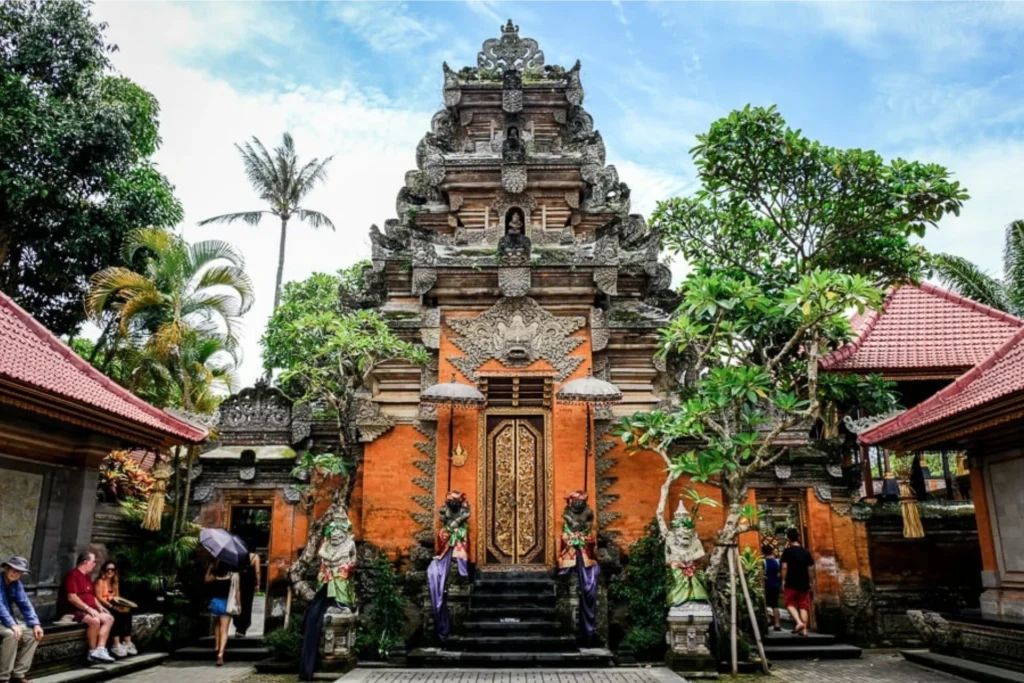
Ubud Palace, also known as Puri Saren Agung, sits right in the middle of town and is one of the easiest places to explore between everything else you’re doing.
It’s the historical home of the Ubud Royal Family, and even though the complex isn’t huge, the detail in the stonework and wood carving shows how important this place once was. The courtyards feel calm despite the busy street outside, and it’s a nice way to get a quick look at traditional Balinese architecture without needing hours to wander.
Most people stop here while drifting between shops, cafes, and the market across the road. You can walk through the open areas, take your time with the smaller details, and get a feel for what palace life looked like in old Ubud.
In the evenings, the palace hosts traditional dance performances, which feel more special in a setting that’s actually tied to local history.
Where Is It? Jl. Raya Ubud No.8, Ubud, Kecamatan Ubud, Kabupaten Gianyar, Bali 80571, Indonesia
Online: Instagram
ATV Tour
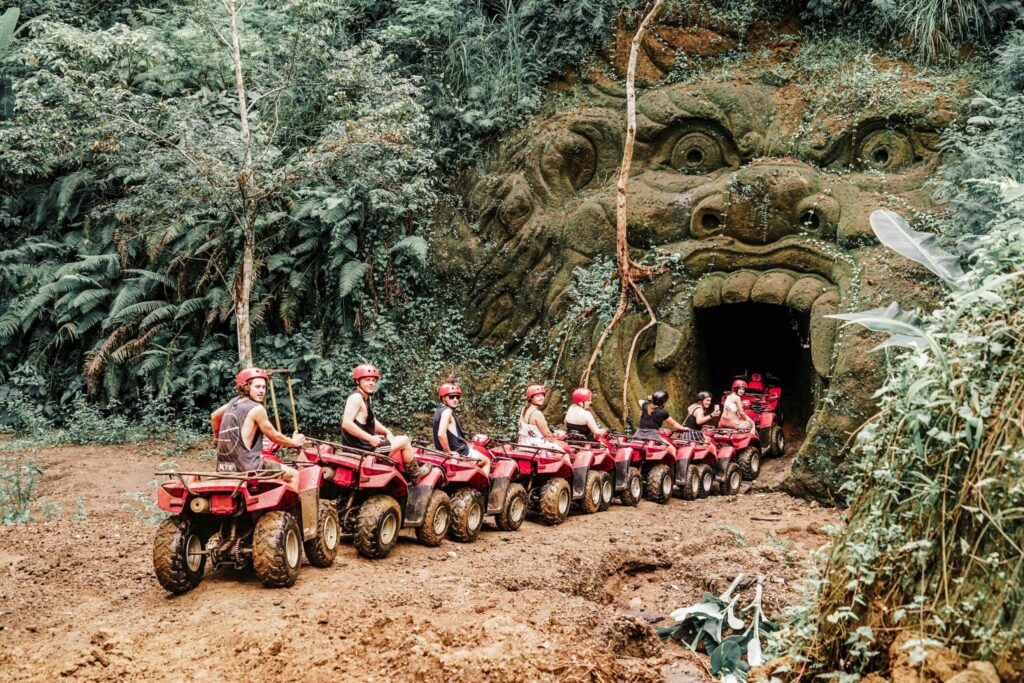
An ATV tour around Ubud is one of those activities that feels a bit wild in the best way.
You’re not just cruising around a flat track; most routes take you through rice fields, jungle trails, river crossings, and even short tunnels carved into the hillside. It’s muddy, bumpy, and a proper change of pace from the usual temples and cafes. You don’t need any experience either; the guides keep things simple, and the bikes are easy to control.
The fun part is how quickly the scenery changes. One minute you’re rolling past quiet farms, the next you’re dropping into a shaded jungle section with water splashing up everywhere. You’ll get dirty, so don’t wear anything you care about, and expect a couple of points where the guide encourages you to open it up a bit.
It’s a good option if you want something active without it feeling too intense — just loud, messy, and fun.
Where Is It? Many companies
Online: n/a
White Water Rafting
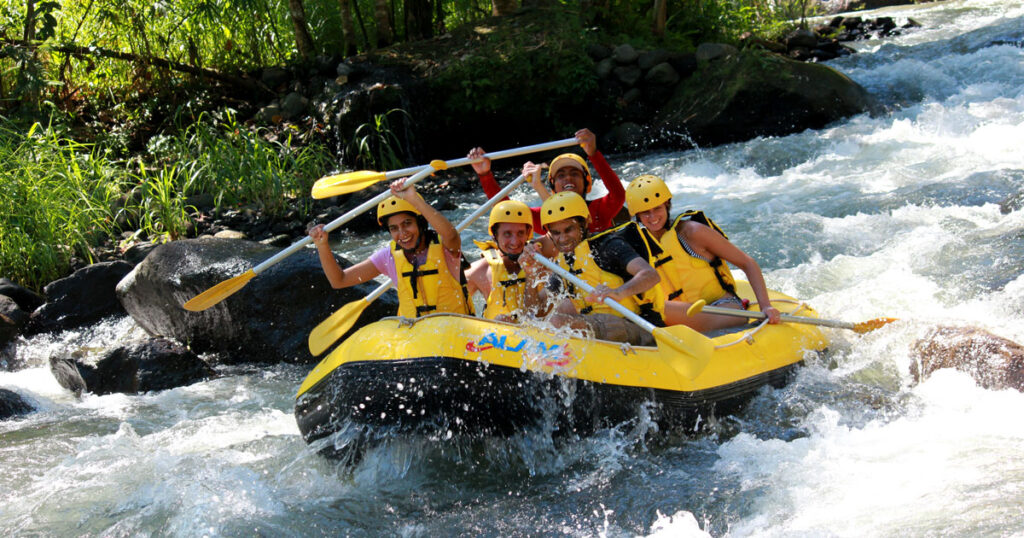
White water rafting in Ubud is one of the most enjoyable ways to see the island’s jungle from a different angle. Most tours run on the Ayung River, which is calm enough for beginners but still has enough small rapids to keep it fun. You drift through a long stretch of dense greenery, cliffs covered in vines, waterfalls dropping into the river, and quiet pockets where the water slows down and you can actually take it all in.
The guides do most of the work, so you don’t need to be super fit or experienced. They’ll call out when to paddle, when to hold on, and when you can relax. The best part is how peaceful it feels once you get away from the road noise. It’s just jungle, water, and the occasional splash from another boat.
If you want something active but not too demanding, rafting fits perfectly into a day in Ubud.
Where Is It? Many companies
Online: n/a
Campuhan Ridge Walk
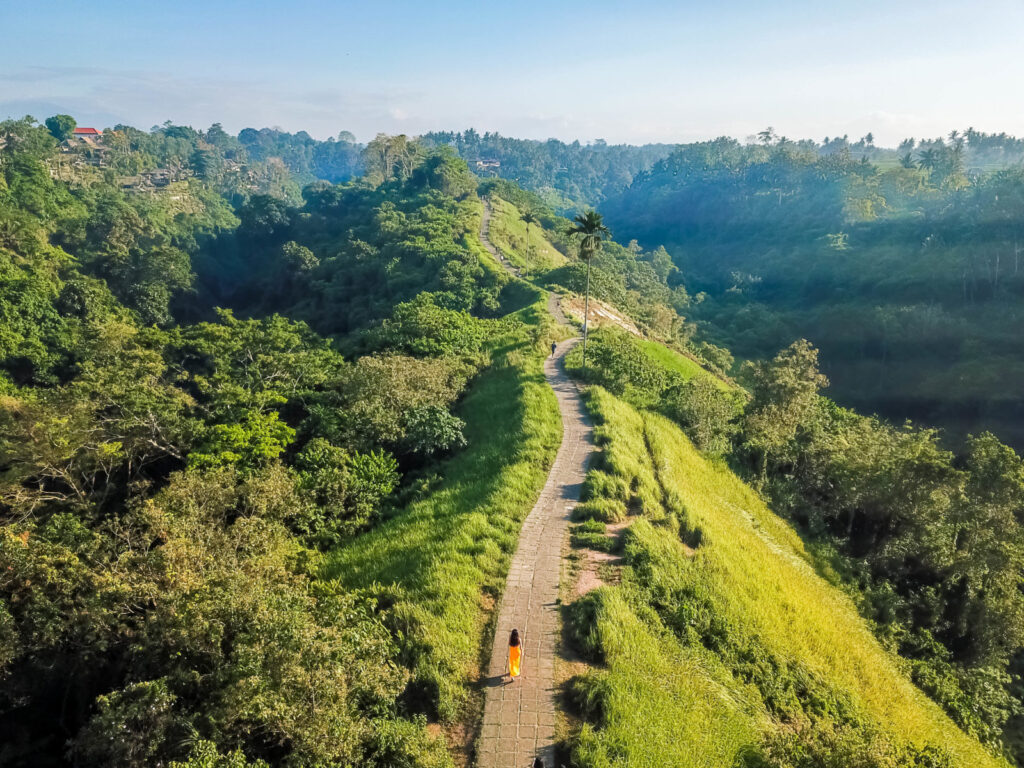
The Campuhan Ridge Walk is one of the best scenic walking trails in Ubud, and it’s only a few minutes from central Ubud, which makes it easy to fit into your day. The path runs along a high ridge surrounded by lush landscapes, tall grass, and open views you don’t always expect so close to town. It’s quiet, simple, and one of those places that feels miles away from the traffic the moment you step onto the trail.
Most people walk it early in the morning or late in the afternoon when the sun is softer and the whole ridge glows. You’ll pass small studios, garden viewpoints, and rice fields as the trail drops toward the village at the far end. It’s not difficult, and you can go as far as you like before turning back.
If you want something peaceful and free that still gives you proper Ubud views, this is it.
Where Is It? Jl. Raya Ubud, Kelusa, Kec. Payangan, Kabupaten Gianyar, Bali, Indonesia
Online: Campuhan Ridge Walk
Jatiluwih Rice Terraces
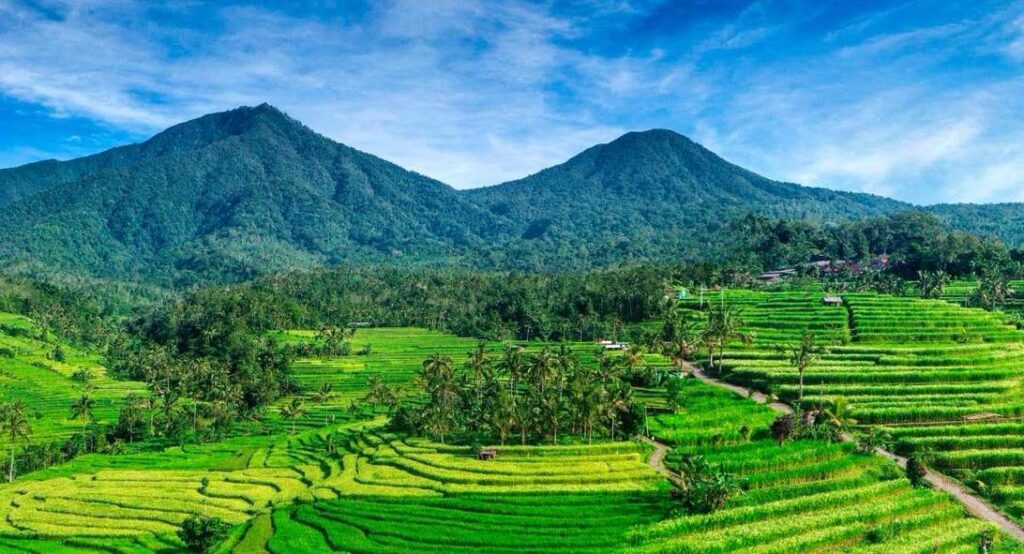
The Jatiluwih Rice Terraces are some of the most impressive rice paddies in Bali, set out in wide layers that stretch across the hills of north Bali. It’s a quieter alternative to Tegallalang and feels far more open, with sweeping rice terrace views in every direction. The area is part of a UNESCO-listed landscape, and once you’re standing in the middle of it, you can see why. Everything is green, calm, and shaped by centuries of irrigation.
There are several scenic walking trails that loop through the terraces, and you can choose short routes or longer paths that take you deeper into the valley. Nothing is rushed here — you just wander, take in the fresh air, and watch farmers working in the fields.
It works well as a day trip if you want something slower and less touristy. Bring a hat, take your time, and enjoy one of Bali’s most beautiful spots.
Where Is It? Jl. Jatiluwih Kawan, Jatiluwih, Kec. Penebel, Kabupaten Tabanan, Bali 82152, Indonesia
Online: Instagram
Ubud Art Market
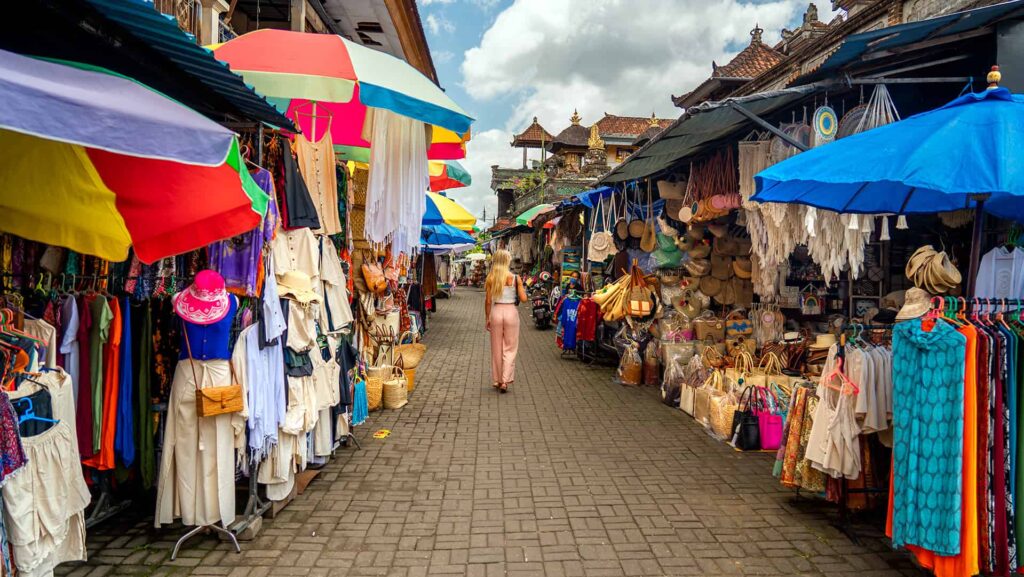
Ubud Art Market sits right in the centre of town, across from Ubud Palace, and it’s one of the easiest places to wander when you’re exploring on foot. The market stalls are packed with handmade pieces, from woven bags and carved wooden figures to light cotton clothing, jewellery, paintings, and small Bali souvenirs you can actually fit in your luggage. It’s busier in the late morning, but the energy is part of the fun, with sellers calling out and colours everywhere you look.
Most of what you find here is tied to Balinese art and crafts, and while some items appear in markets across the island, Ubud tends to have better quality if you take your time. You can walk through slowly, browse, chat, and negotiate without any stress.
Because it’s in the heart of Ubud’s town centre, you can pair it easily with a cafe stop, a visit to Ubud Palace, or a quick wander down nearby streets.
Where Is It? Jl. Raya Ubud No.35, Ubud, Kecamatan Ubud, Kabupaten Gianyar, Bali 80571, Indonesia
Online: Instagram
Take Up A Yoga Class
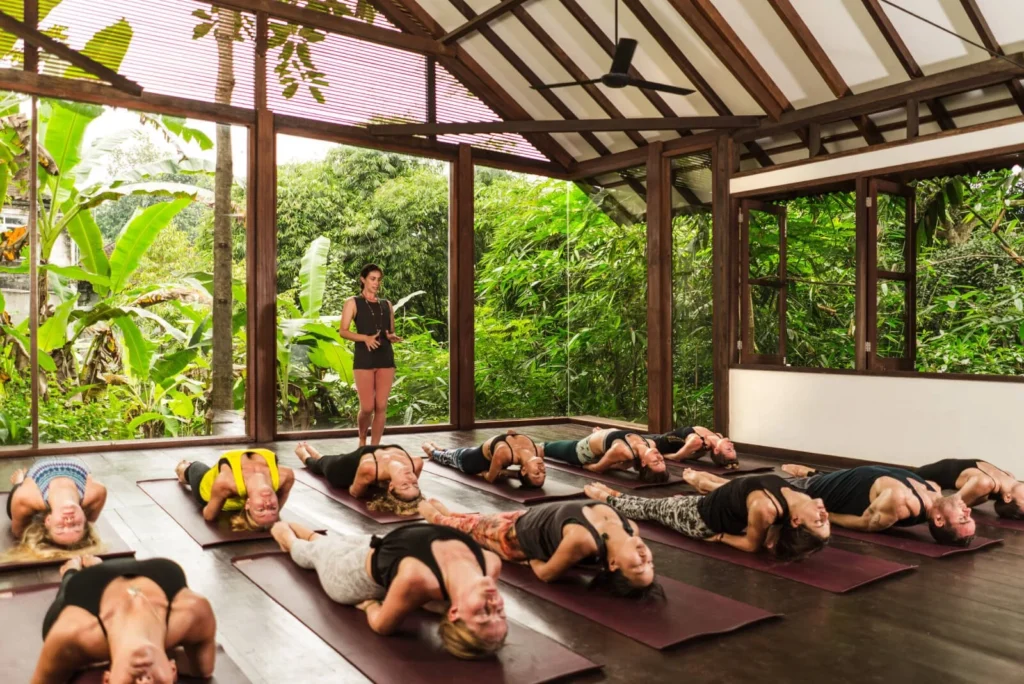
Ubud is one of the easiest places in Bali to slip into a yoga class, whether you’re a complete beginner or someone who practises regularly. The town is full of yoga studios tucked behind cafes, set in tropical gardens, or overlooking quiet rice fields, and most offer drop-in sessions so you can join whenever it suits your day. Classes range from slow yin sessions to stronger flows, breathwork, meditation, and workshops that touch on Balinese culture and wellness.
The vibe is always relaxed. You roll up, join the group, and ease into the pace without feeling out of place. A lot of digital nomads and long-term visitors build their mornings around yoga, but you’ll see locals and travellers of all ages in the mix too.
It’s a good way to reset after a few busy days in Ubud. Pair it with a fresh coconut or a relaxing soak at a spa nearby, all within walking distance.
Where Is It? Many locations
Online: n/a
Ubud Water Palace
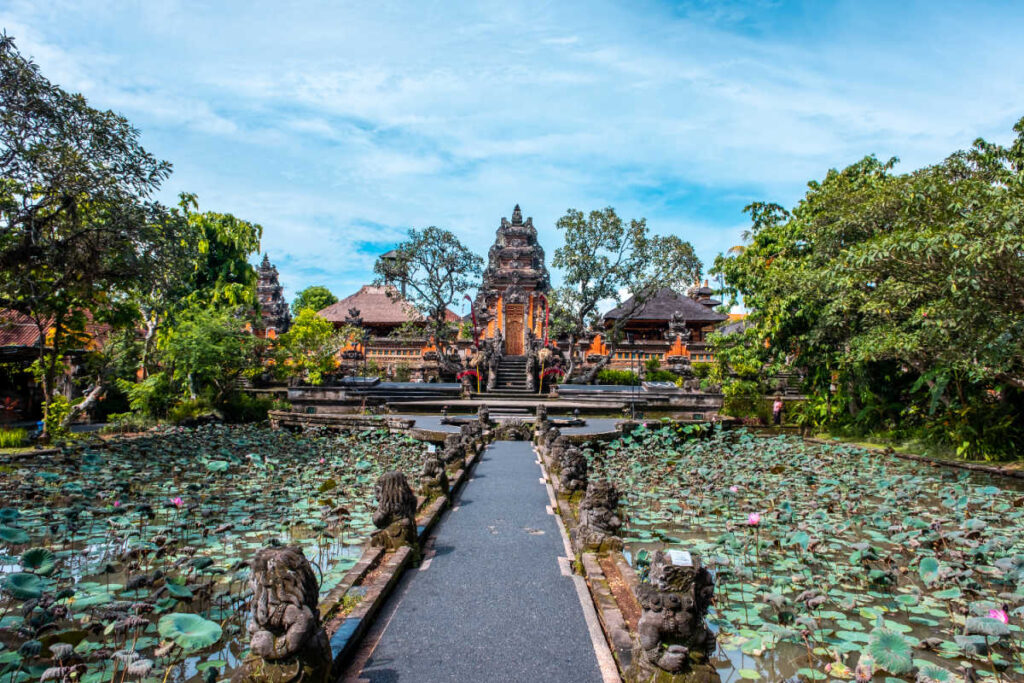
The Ubud Water Palace is one of the prettiest spots in central Ubud, especially if you wander in during the quieter hours of the day. The lotus pond sits in front of the main temple, dedicated to the Hindu goddess Saraswati, and when everything is in bloom, it feels like a small oasis hidden between the busy streets. It is easy to pair with other places to visit because it is right in the middle of Ubud’s town centre, only a short walk from the art market and the cafes nearby.
You can explore the pathways around the pond, take photos, and enjoy the peaceful atmosphere without needing a guide or a long window of time. In the evenings, traditional Balinese dance performances are held here, which feel especially magical with the temple lit up behind the stage. It is a simple, beautiful stop that fits into any Ubud itinerary.
Where Is It? Jl. Suweta No.6, Ubud, Kecamatan Ubud, Kabupaten Gianyar, Bali 80571, Indonesia
Online: Instagram
Yeh Pulu Temple Ruins
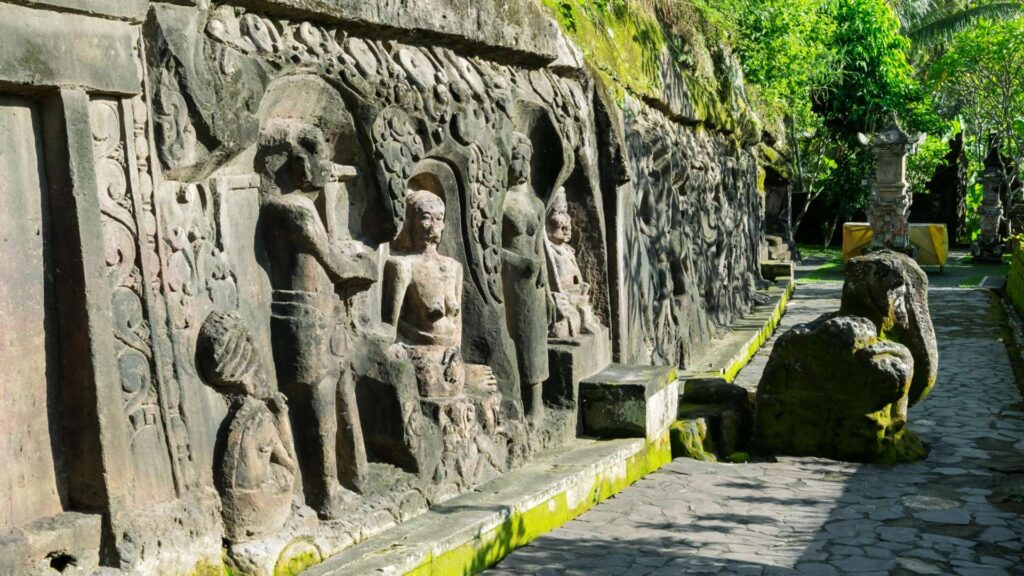
Yeh Pulu is an easy place to miss, which is exactly why it feels like a hidden gem. Tucked in a quiet village near Goa Gajah, the site is known for its long rock carving that stretches along a cliff wall.
The carvings are detailed and surprisingly well preserved, showing scenes of daily life, ancient stories, and figures that look completely different to the ones you see in bigger temples. The surrounding rice fields and jungle make the walk feel peaceful, especially if you visit early.
The temple ruins are simple, calm, and not crowded, so you can take your time without feeling rushed. It is a great stop if you like historical places that still feel untouched. Pair it with Goa Gajah or a local warung nearby for a relaxed morning.
Where Is It? Jalan Yeh Pulu Blahbatuh, Bedulu, Kec. Gianyar, Kabupaten Gianyar, Bali 80581, Indonesia
Online: n/a
Pura Gunung Kawi Sebatu – Valley Of The Kings
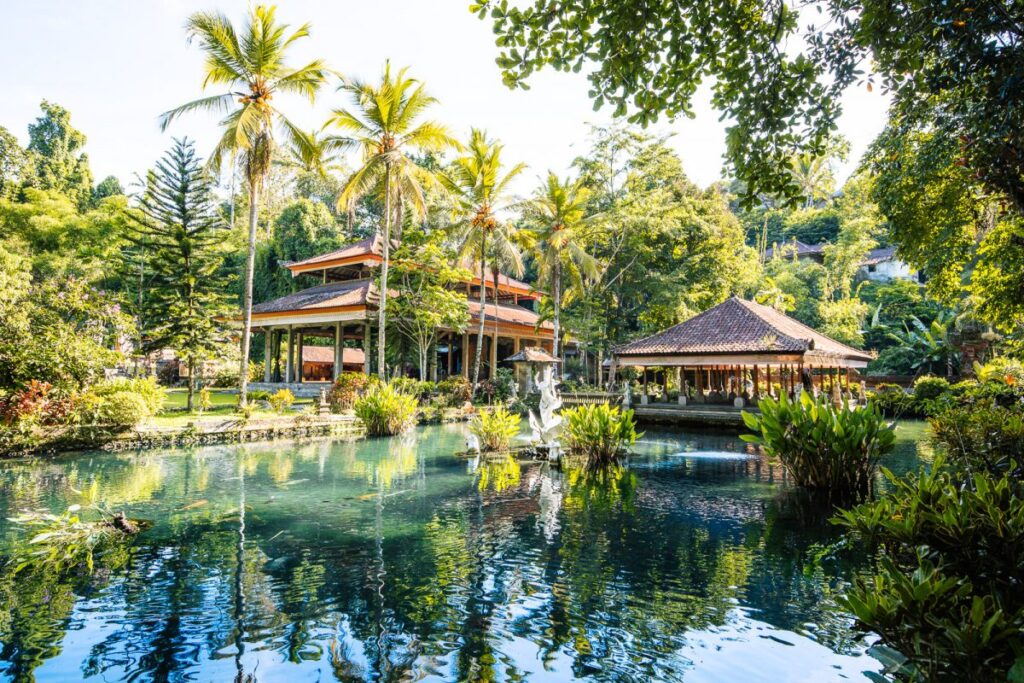
Pura Gunung Kawi Sebatu sits in a quiet part of Tegallalang and is one of the most peaceful ancient temples in Bali. It is known for its clear spring-fed pools, stone shrines, and mossy terraces that feel like they are tucked inside the jungle.
The temple layout is different from other places in Ubud, with freshwater ponds full of koi, calm courtyards, and pathways that wind through the complex. Nothing here feels rushed or crowded, even during peak season.
This particular site is notable for its ancient carvings and banyan trees scattered all around, a very surreal place.
It is a great choice if you want something cultural that still feels relaxing. The whole area is cooler and surrounded by dense greenery, and the stone carvings around the shrines are some of the most impressive in the region. Many people visit after the Tegallalang Rice Terraces, but it is worth the trip entirely on its own.
Where Is It? Sebatu, Tegallalang, Gianyar Regency, Bali 80511, Indonesia
Online: Instagram
Agung Rai Museum Of Art
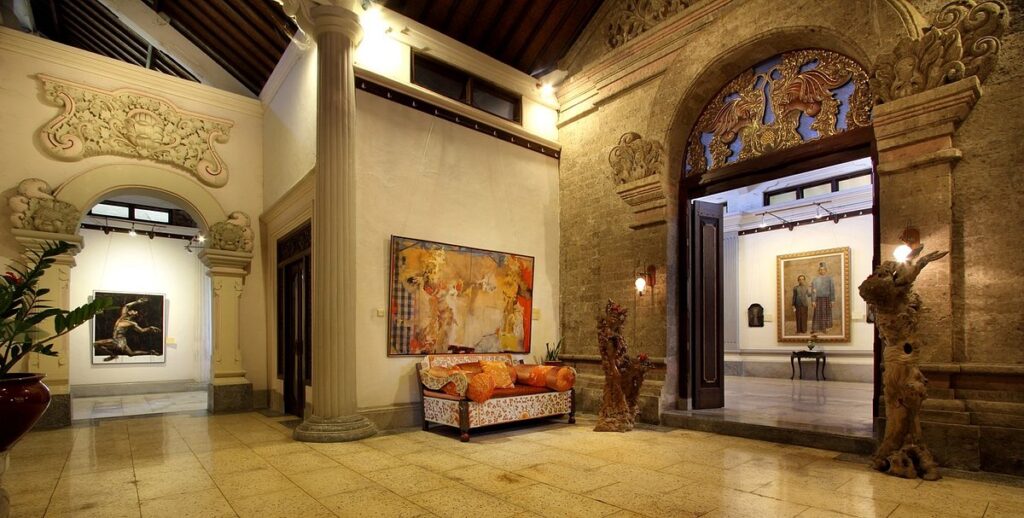
The Agung Rai Museum of Art is one of Ubud’s most important art museums and a great place to get a proper feel for Balinese art beyond the market stalls. The gallery spaces sit inside a peaceful tropical garden, with traditional buildings, small pathways, and quiet courtyards that make wandering around feel almost meditative.
Inside, you’ll find everything from classical Balinese paintings to contemporary work from Indonesian artists.
It is a calm break from the busier parts of Ubud. You can take your time, learn about different art styles, and enjoy a slower pace before heading back into town. ARMA also hosts cultural events, workshops, and performances, so you may find something interesting happening on the day you visit.
Where Is It? Jl. Raya Pengosekan Ubud, Ubud, Kecamatan Ubud, Kabupaten Gianyar, Bali 80571, Indonesia
Online: ARMA Bali
Blanco Renaissance Museum
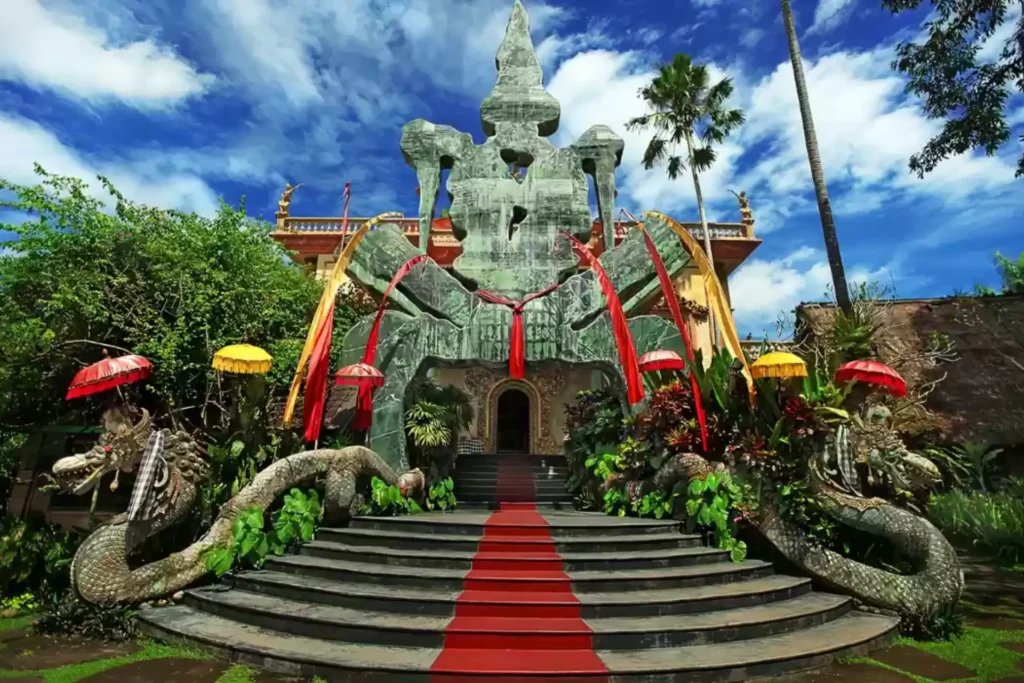
The Blanco Renaissance Museum sits above the river in Campuha, and it’s one of those places that feels a bit surreal as soon as you walk in. This was the home and studio of Antonio Blanco, the eccentric Spanish-Filipino artist who settled in Bali and basically lived like a larger-than-life character out of his own paintings.
The grounds feel tropical and slightly wild, and the main building is filled with his artwork, old photographs, handwritten notes, and all the quirky bits of his life that were left behind. It’s part art gallery, part personal archive, and part time capsule from when artists came to Ubud for inspiration rather than Instagram. Even if you’re not a big art person, it’s an easy place to wander for an hour or two, especially if you like spaces with character.
The walk up is nice too, with a bit of that classic Ubud greenery.
Where Is It? Jl. Raya Campuhan, Sayan, Kecamatan Ubud, Kabupaten Gianyar, Bali 80571, Indonesia
Online: Blanco Museum
Bali Swings
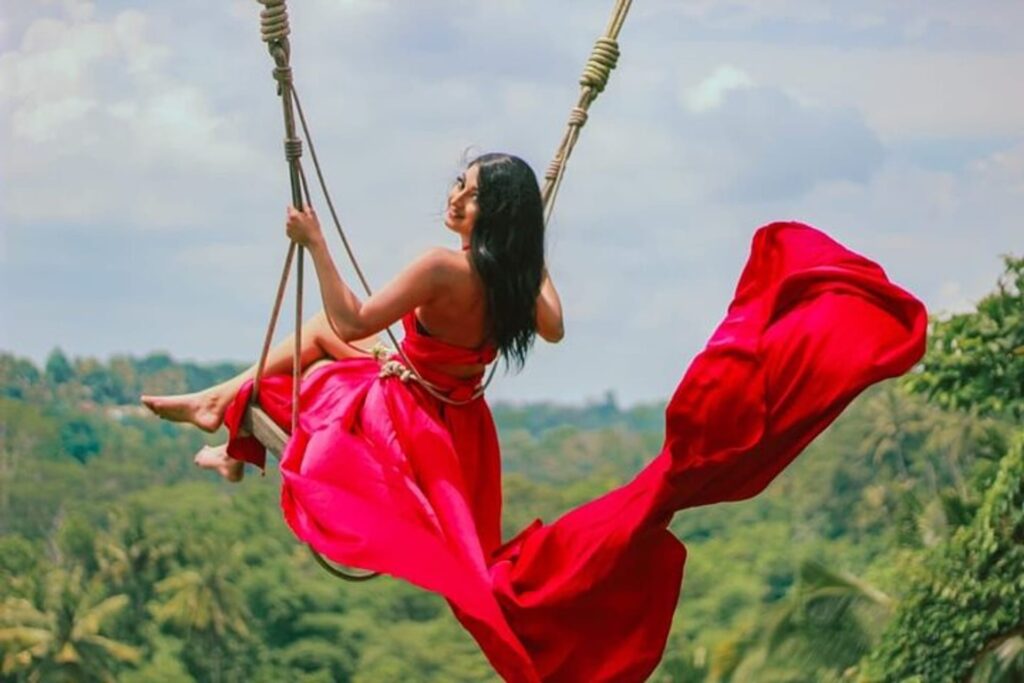
Bali Swings are one of those things you see online and think, surely it can’t look like that in real life, but it kind of does. The main one near Abiansemal sits over a lush river valley, and the views are exactly what you want them to be: deep green, quiet, nothing built up, just proper jungle.
It’s definitely touristy, but it’s not a tourist trap…and it’s genuinely fun, especially if you’ve never done anything like it. They strap you in properly, and once you’re out over the drop, it’s a full rush. There are platforms, nests, and all the usual photo setups, but if you lean into it rather than fight the cheesiness, it’s a good laugh.
It’s also a decent stop if you’re already exploring north of Ubud or heading toward the rice terraces. Just go early if you want it quieter, because it fills up fast.
Where Is It? l. Dewi Saraswati No.7, Bongkasa Pertiwi, Kec. Abiansemal, Kabupaten Badung, Bali 80352, Indonesia
Online: Real Bali Swing
Tegenungan Waterfall
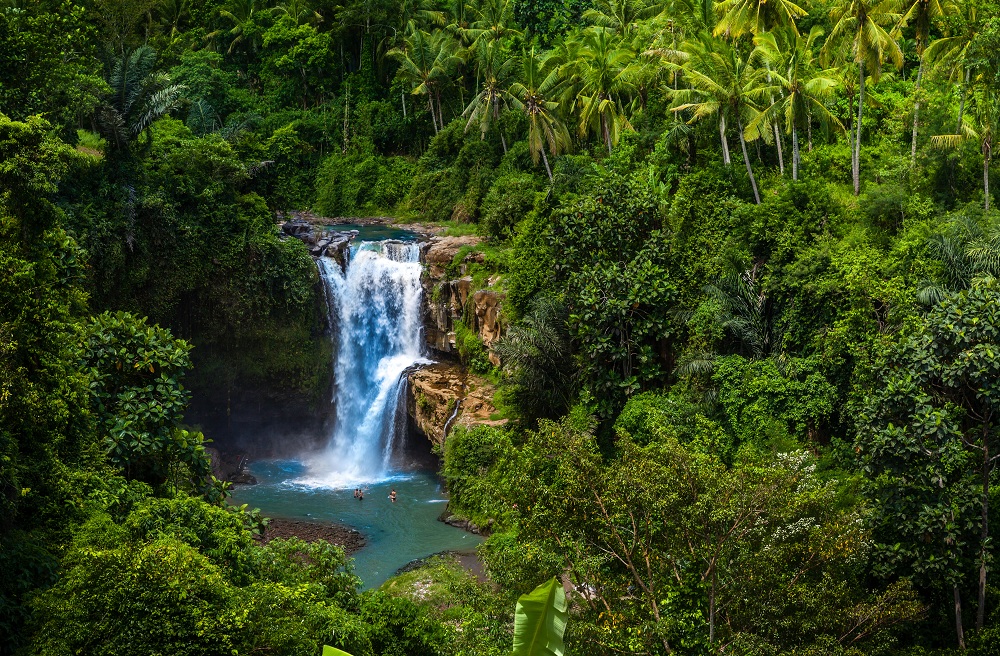
Tegenungan Waterfall is one of the easiest big waterfalls to reach from Ubud, and that’s why it’s always lively. It has that classic wide curtain of water that drops into a big open pool, with a rocky base you can scramble around for different views.
It’s not hidden or deep in the jungle, but it still feels impressive, especially if you hit it after some rain when the flow picks up. You can swim here, though the current changes depending on the season, so it’s more of a splash-around spot than a full swim for most people.
The walk down is made up of concrete steps with viewpoints along the way, and you’ll usually find a few places nearby selling coconuts or cold drinks. Go early for the best light and fewer crowds. It’s one of those stops that’s simple but worth the time.
Where Is It? Kemenuh, Sukawati, Gianyar Regency, Bali, Indonesia
Online: Instagram
Tegallalang Rice Terraces
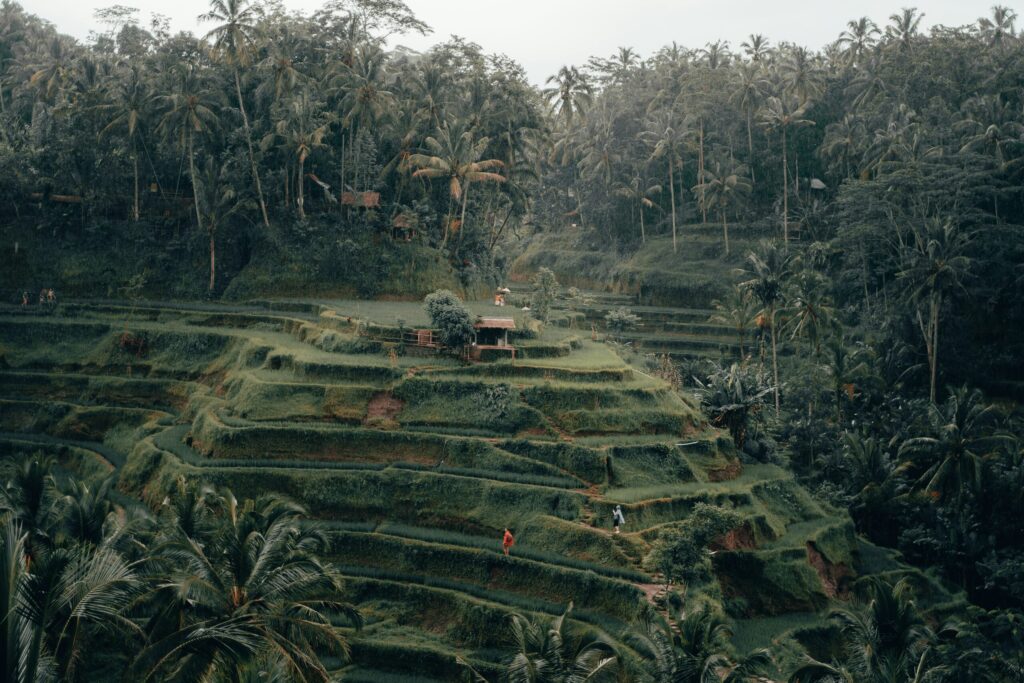
The Famous Tegallalang Rice Terraces are one of Bali’s most iconic scenes, and they actually live up to the hype. The valley is layered with steep, bright green terraces that curve around coconut palms, and the light hits it beautifully in the morning.
You can walk across the terraces on narrow dirt paths, climb up small ridges for views, and stop for a drink at one of the cliff-side cafes overlooking everything. It gets busy, but it’s busy for a reason; it’s just a stunning place to stand and take in. Farmers still work here, so you’ll often see people tending to the paddies as visitors wander through.
You can do this quickly, but it’s nicer if you take your time and explore a few levels. If you’re doing Ubud properly, this is one of the absolute must-sees.
Where Is It? Jl. Raya Tegallalang, Tegallalang, Kec. Tegallalang, Kabupaten Gianyar, Bali 80561, Indonesia
Online: Instagram
Bike Tours Around Ubud
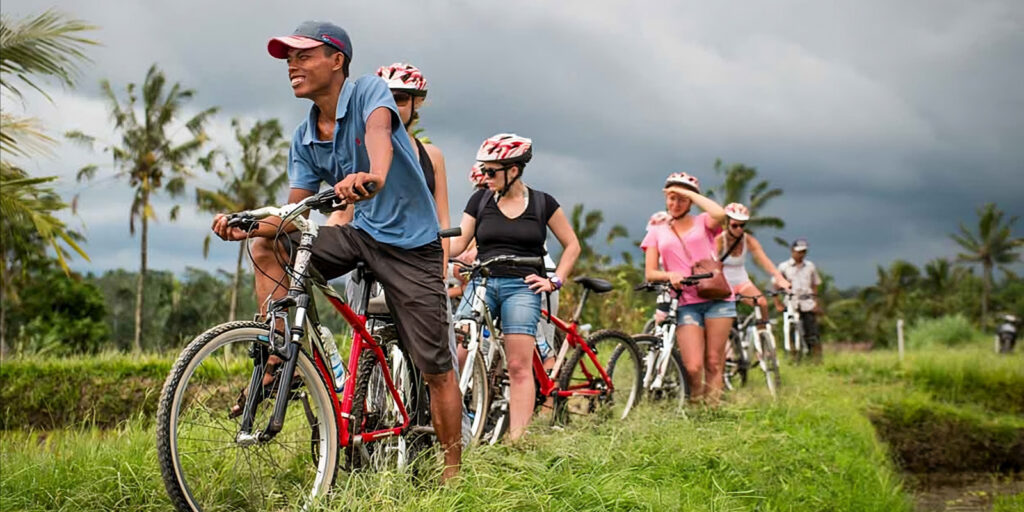
A bike tour is one of the easiest ways to see the quieter side of Ubud, the bits you don’t catch from town or the usual attractions. Most tours start outside the busy centre and wind through small villages, bamboo forests, rice fields, and gentle backroads that feel like proper countryside.
It’s mostly downhill or flat, so it’s accessible even if you haven’t cycled in years.
You stop at family compounds, small temples, little farms, and scenic viewpoints while the guide explains what daily life in rural Bali looks like. It’s relaxed, slow-paced, and surprisingly peaceful once you’re riding between the rice paddies.
A great pick if you want something active but not intense, and perfect for seeing Ubud beyond the tourist spots.
Where Is It? Many companies
Online: n/a
Visit A Traditional Balinese Healer (Balian)
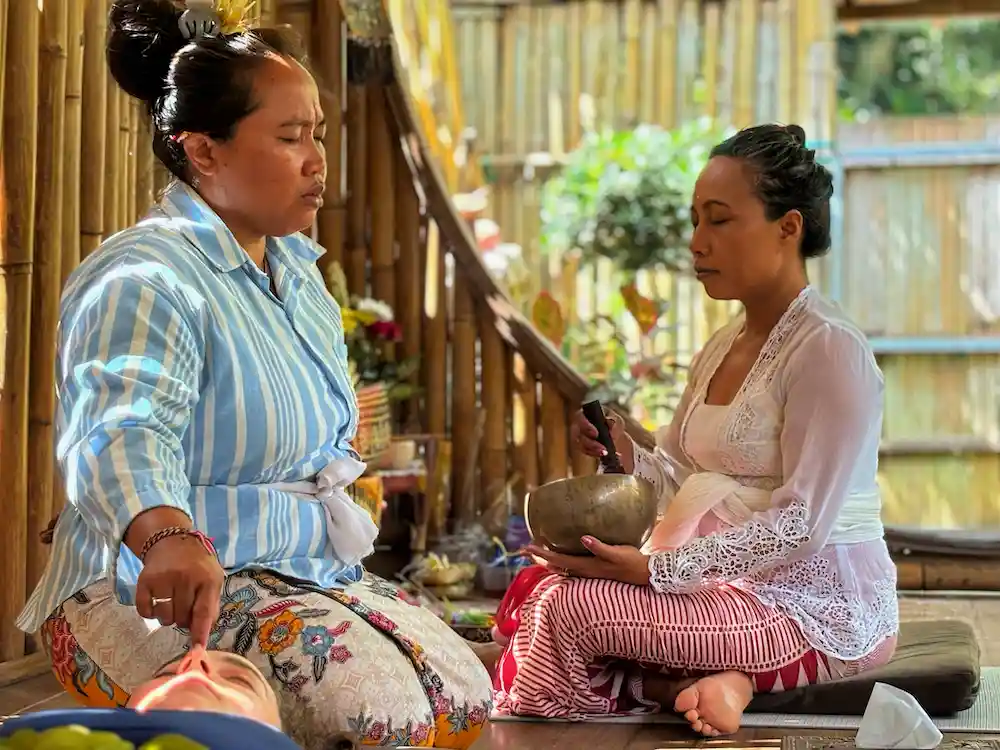
Last on the list, a bit of a wild card. This one is great for someone who wants to try something a bit “different”
Meeting a balian – a traditional Balinese healer – is a cultural experience that goes far deeper than the usual spa or wellness session. These healers use a mix of energy reading, herbal medicine, intuition, and ritual practices passed down through generations. Whether you fully believe in it or you’re simply curious, the experience itself is fascinating.
Sessions vary depending on the healer, but most involve quiet conversation, light pressure work, and insight into how Balinese people approach balance and wellbeing.
It’s not a “touristy” activity when done respectfully, and it offers a side of Ubud that many travellers never see. Go in with an open mind, and let the moment be whatever it is.
Where Is It? Several locations (usually outside town)
Online: n/a
FAQs
What Is Luwak Coffee?
Luwak coffee is made using beans that have passed through a civet (a small tree-dwelling mammal), which is why it’s often marketed as one of the rarest coffees in the world. In Bali, many plantations offer tastings and short tours where you can see how it’s processed.
It’s worth knowing that there are ethical concerns around this industry, as some places keep civets in cages to produce the beans. We don’t support anything that harms animals, but we’re here to relay the facts so you can make an informed choice.
If you’re curious, look for plantations that are open about their practices and focus on wild-sourced beans.
Can I Visit Ubud From The Coast As A Day Trip?
Yes, you can visit Ubud as a day trip from the main coastal areas. Most people hire a private driver and spend the day checking out the highlights, then head back in the evening.
Just keep in mind that traffic around central Ubud can be slow, especially in the late afternoon, so it’s better to leave early and keep your plans flexible.
When Is The Best Time Of Year To Visit Ubud?
Ubud works year-round, but it feels at its best during the dry season, roughly May to September. The weather is clearer, the views are sharper, and outdoor activities are easier.
The rainy months can still be great, especially if you prefer quieter streets and greener scenery, but expect afternoon showers and muddier walking trails.
How Long Is The Ayung River?
The Ayung River runs for roughly 68 kilometres, starting in the northern highlands and winding all the way down toward Sanur.
Only a small section near Ubud is used for white water rafting, which is why most tours feel manageable and beginner-friendly.
The rafting portion usually covers around 10 kilometres and takes about two hours, depending on the season and water flow.
Are There Snakes In The Rice Paddies?
Yes, snakes do live in and around Bali’s rice paddies, but sightings are rare and not something to stress about. Most snakes keep well away from people, and locals walk these paths every day without issues.
If you’re out exploring, just stay aware of where you step in long grass or muddy edges, especially after heavy rain.
Don’t be afraid, they’re part of the natural environment, and you’re very unlikely to come across one.
What Is The Real Hidden Gem In Ubud?
It’s hard to say what the real hidden gem in Ubud is because beauty is genuinely in the eye of the beholder. Some people fall in love with the quiet corners behind Campuhan Ridge, where the paths slip between small farms and open fields.
Others swear by Yeh Pulu Temple, which is tiny, peaceful, and usually overlooked, making it feel like you’ve stepped into a bit of old Bali.
For a lot of travellers, the real magic comes from the simple moments — a tucked-away warung with proper Balinese food, a quiet lane with no traffic, or a random viewpoint you find while walking with no plan. Ubud’s charm isn’t just in the big attractions; it’s in these little unexpected discoveries that feel personal to you.
Are There Nice Hotels In Ubud?
Yes, Ubud has some of the nicest hotels in Bali, especially if you want quiet luxury surrounded by nature. Many stays sit right on the edge of rice fields or deep in the dense jungle, with infinity pools, gardens, and wide open rice terrace views.
You’ll find everything from small boutique stays in central Ubud to full-on resort-style retreats just outside town, all within a quick walk or a quick ride from the main places to visit.
Whether you want something peaceful for digital nomads, a romantic hideaway, or a base close to the big attractions like the Ubud Palace, the Sacred Monkey Forest, or Campuhan Ridge Walk, there’s plenty to choose from. It’s one of the reasons Ubud stays such a popular tourist destination – the Ubud hotels make relaxing feel effortless.
Final Thoughts On Things To Do Ubud, Bali
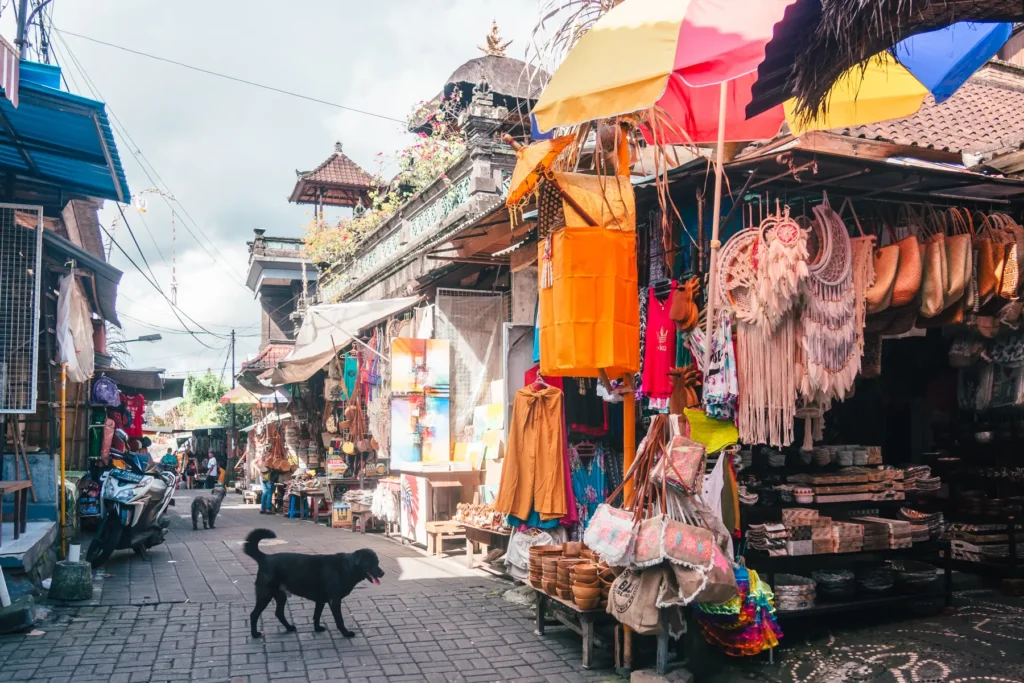
Ubud is one of those places where you can make your days as busy or as laid-back as you want. Some people come here for culture, temples, and traditional crafts. Others come for nature and long afternoons wandering through the hills.
Plenty just want a quiet escape with good food and a slower pace. The nice part is that all of those experiences sit side by side.
No matter how long you stay, you’ll always find a new corner, a new trail, or a new viewpoint you missed the last time. That’s the charm of it. Ubud doesn’t rush you, and it doesn’t demand that you tick boxes.
It just gives you options. Whether you want adventure, a bit of learning, a relaxing walk, or a simple afternoon in town, you’ll find your rhythm easily.
Take your time here. Enjoy the little moments. That’s when Ubud is at its best.