It might not be the busiest time of year in Bali, and of course, if you head there,e you’re going to see some rain.
But don’t let that put you off! The island still has plenty to offer, with warm days, lush scenery, and a slower pace that many travellers actually prefer.
In this guide, we’ll look at what the wet season in Bali is really like, when it happens, what to expect day to day, and why it can still be an incredible time to visit.
TL;DR, Summary of Bali’s Wet Season
- Bali’s wet season runs from November to April, with January being the wettest time to visit.
- It doesn’t rain all day like a tropical monsoon in a movie, but expect frequent showers.
- The season is generally quieter with fewer crowds, but New Year’s Eve is very busy.
- Don’t let the weather put you off, Bali is great to visit all year round.
When Is The Wet Season In Bali?

There are two distinct seasons in Bali, the dry season and the wet season, often called high season and low season.
Bali’s wet season typically runs from November to April, following the arrival of the northwest monsoon. The first rain showers usually start in November, building up through December and January, which is the wettest month of the year.
Rain is still common in February and March, though it tends to start easing as the season transitions back toward drier weather.
Despite having only two seasons, April, May, September, and October are often considered shoulder months. In this changeover time, there’s a good balance between sunshine and short, refreshing showers – ideal if you want warm weather without the peak-season crowds.
What Is It Like During The Wet Season?
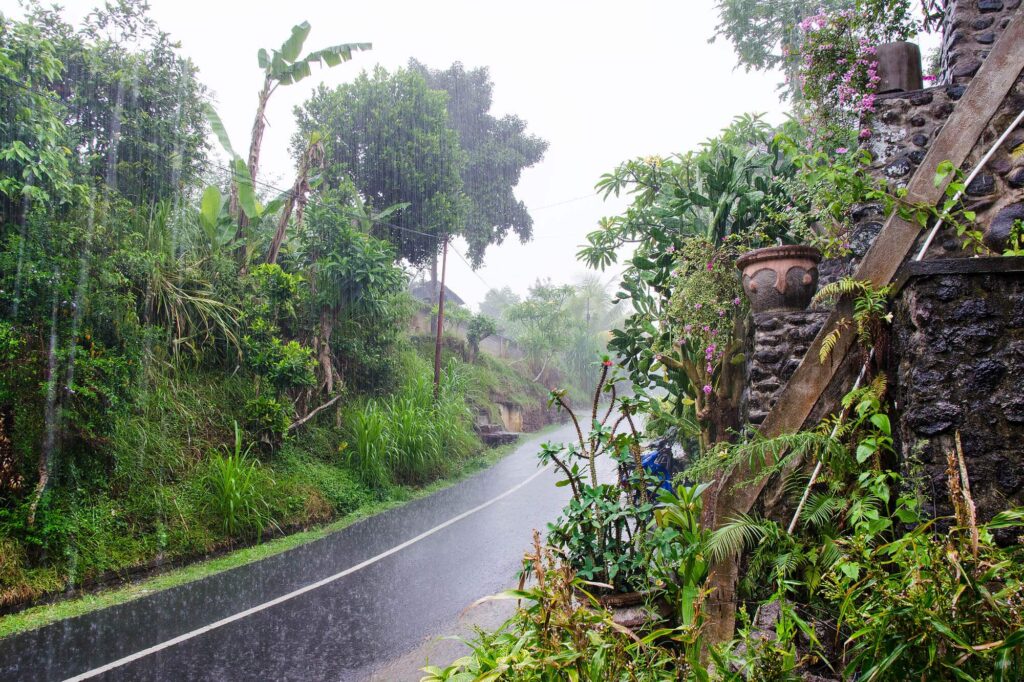
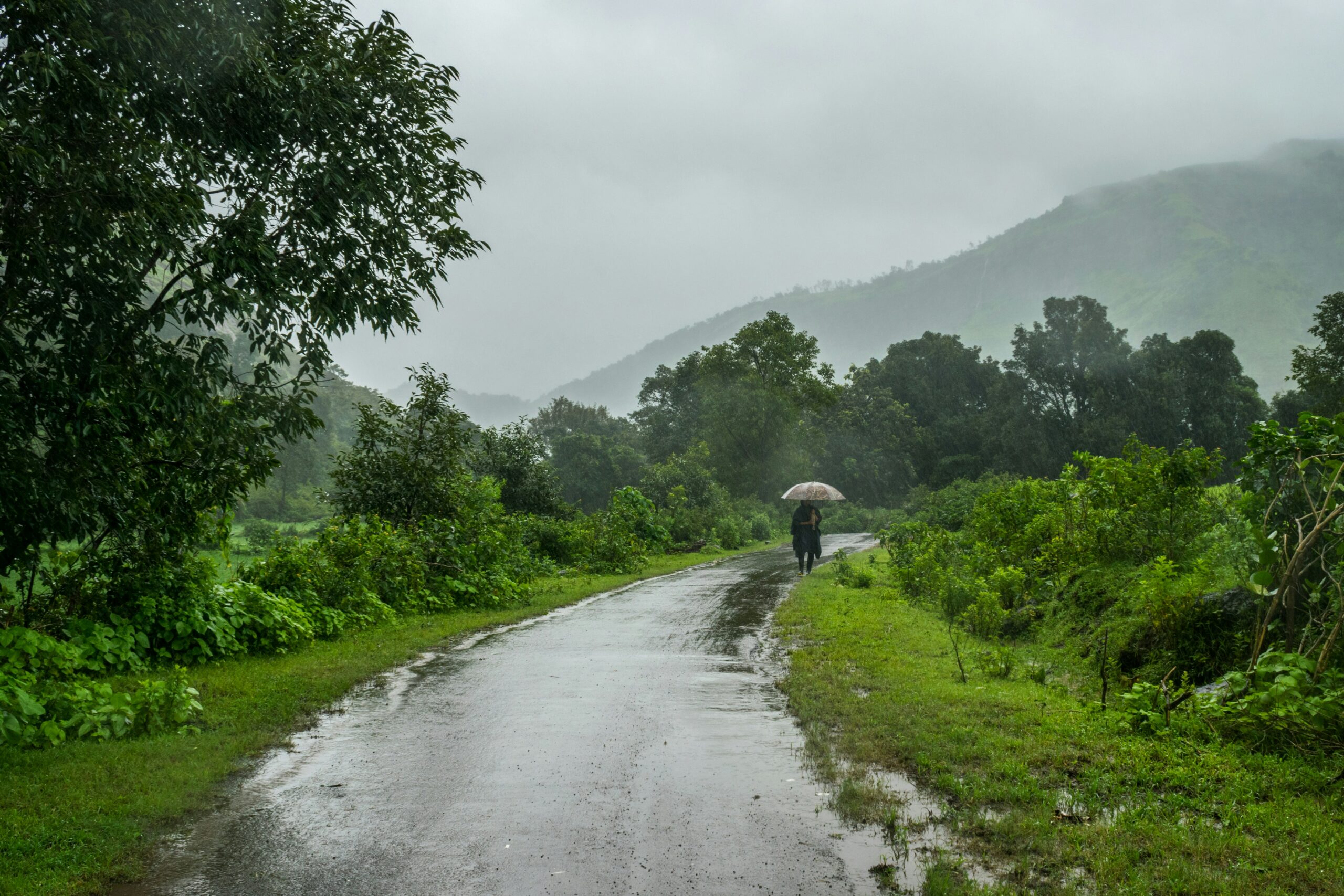
Bali’s wet season is defined by high humidity, warm temperatures, and frequent rain showers, especially in the afternoons.
Days often start sunny or partly cloudy before clouds build up later, leading to quick, heavy showers that cool things down for a while.
The island’s landscape thrives during this time: rice terraces turn vivid green, waterfalls surge, and the air feels fresh after each downpour. While rain is common, it’s rare for it to last all day. Most of the time, you’ll still have plenty of sunshine between showers.
A Note About The Rainy Season In Bali
Despite the name, Bali’s rainy season doesn’t mean endless days of downpour. It’s different to a tropical monsoon season.
Most showers arrive in short, heavy bursts, usually in the late afternoon or evening, leaving plenty of time for beach walks, sightseeing, or lazy mornings in the sun.
That said, it’s not unusual to have the occasional full rain day, especially in December or January. When that happens, it’s the perfect excuse to slow down, grab a good meal, or enjoy one of the island’s many indoor attractions until the skies clear again.
What To Expect In Bali During The Rainy Season
The wet season in Bali often gets a bad reputation, but it’s actually one of the best times to be here. The air feels thick and tropical, the island’s rice fields turn a brilliant green, and everything moves at a slower, easier pace.
Days still start warm and bright, and while afternoon showers are common, they rarely last long enough to spoil your plans.
There’s something special about this time of year: the smell of rain on the ground, the distant sound of thunder over the hills, and the way the sunsets light up after a storm.
It’s a more laid-back version of Bali, where you can take your time, explore without the crowds, and see the island at its most natural and lush.
How Busy Is It?

Bali’s wet season is also (generally) Bali’s low season, giving the island a more local, relaxed rhythm.
Australians mostly visit Bali to escape the winter, and Europeans to embrace the summer holidays, both of which fall in Bali’s dry season.
You’ll notice fewer tour buses on the roads and more space to stretch out on the beaches or grab a seat at your favourite cafe without rushing.
It’s one of the rare times you can visit temples, rice terraces, and markets without the usual crowds.
That said, Christmas and New Year are the big exceptions. Even with the rain, the island fills up fast as holidaymakers from Australia and Europe arrive for the festive break.
Outside of those few weeks, though, it’s calm, friendly, and easy to get around; a completely different pace from the packed dry months.
What Are The Prices Like?
You’ll usually find better deals across the board during the wet season, from flights and villas to spa packages and day tours.
With fewer tourists around, many hotels and restaurants offer discounts or extras to keep bookings steady, making it a great time to get more for your money. During the rainy season, Bali often has off-season deals, so this is worth looking into.
The one big exception is over Christmas and New Year, when prices spike sharply and accommodation can book out weeks in advance.
Outside of that short festive rush, though, it’s a good time to enjoy Bali’s best spots at lower prices, with more choice and far less hassle.
What To Do On Those Rainy Days In Bali?
A little rain doesn’t mean the fun stops; it just shifts gears.
From steamy cafes to full-flowing waterfalls, there’s still plenty to do when the clouds roll in. It’s not all about hiding indoors from the rain; outdoor activities are great this time of year, too.
FINNS Beach Club

Rain in Bali? No worries, at FINNS Beach Club, they’ve got you covered—literally.
Chill out under the roofs, grab a drink, or sink into a cabana while the rain rolls in. If you’re already in the pool, who cares? You’re wet anyway.
And if you happen to be here for New Year’s, FINNS NYE Party is hands down the best on the island.
Café Hopping

A little rain’s the perfect excuse to slow down and take it easy.
Duck into a cozy cafe for a good coffee, a long brunch, or a few lazy hours with a book. When the showers roll in, it’s all part of the charm. Bali’s rooftops and rice fields look even better under a bit of mist.
Up in Kintamani, the views are stunning when the clouds hang low, and if the rain lingers, just settle in and make a day of it.
Bar Hopping

Like café hopping, but with a bit more buzz. When the rain comes down, it’s the perfect time to slide onto a bar stool and sink a few cold ones.
Whether you’re in Canggu, Seminyak, or Uluwatu, there’s no shortage of laid-back spots with live music, good food, and shelter from the storm.
If the skies open up, just lean into it – order another round, chat with whoever’s beside you, and wait it out Bali-style. We think sipping a cold Bintang is the perfect excuse to stay indoors anyway!
Trekking And Waterfalls

Sure, it’s a bit muddier and a lot more slippery, but trekking during Bali’s rain adds real atmosphere. The jungle comes alive; the air’s thick with mist and the smell of wet earth.
Bali’s famous waterfalls are at their most powerful, crashing with energy you won’t see in the dry months. Places like Tegenungan or Gitgit are spectacular right after rain, and hidden gems up north get even wilder.
Just pack light, wear something that can get muddy, and embrace the adventure. This is Bali at its rawest.
White Water Rafting

This is actually one of the best times for it. More rain means stronger currents, more splash, and way more fun.
Rivers like the Ayung and Telaga Waja are perfect for it, thrilling without being too extreme.
Water Sports

Sea conditions make the rainy season one of the best times for water sports.
Surfers flock to Uluwatu and Canggu for the powerful swells that roll in during these months, with fewer crowds out on the waves. Up north in Lovina and along the calm shores of Nusa Dua, it’s a great time for jet skiing, paddleboarding, or taking out a kayak when the rain clears.
Whether you’re chasing big waves or calm waters, Bali’s rainy season has something for every kind of water lover.
Indoor Activities

When you’re ready to dry off, the island’s indoor attractions shine.
Take a craft or pottery class and get your hands into something creative, or learn a few words of Bahasa at a local language school.
If you’re in Ubud, explore the boutiques and art galleries; if you’re on the coast, just cruise around the big malls like Beachwalk and Mal Bali Galeria.
It’s the kind of day that still feels productive but totally relaxed, ideal for balancing out all that beach time. If you’re looking for something specific to do, here are a few ideas:
Cooking Class

Balinese cooking classes are a fun way to spend a few hours indoors. You’ll learn traditional techniques, local flavours, and a bit about the island’s culture along the way.
Most classes include a trip to the market first, so you can see how locals shop before heading back to cook up a storm. By the end, you’ll be full, happy, and armed with a few new skills to take home.
Spa Treatments

Rainy days are a great excuse to slow right down. Whether you go for a Balinese massage, body scrub, or full wellness package, a spa day is the perfect way to unwind while the rain falls outside.
Most spas have calming indoor setups, and the sound of the rain just adds to the experience.
Hit The Cinema

Popcorn, air conditioning, and a good movie…sometimes that’s all you need on a rainy day, or any day in fact. They show the usual Hollywood blockbusters in English, but if you want to get into the feel of things, then watch an Indonesian movie.
There’s a budding horror scene in Bali and Java, and the movies almost always have English subtitles. The movies can be quite scary, so this is not one for the faint-hearted!
Indoor Sports
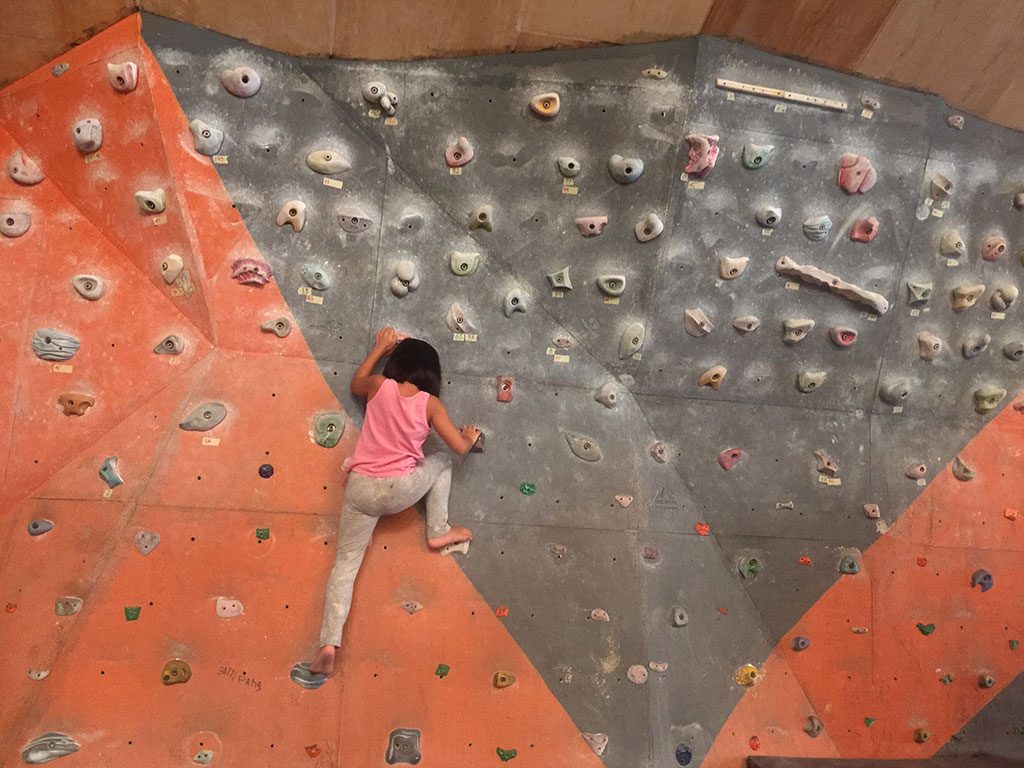
There’s a variety of indoor sports popping up around the island. Particularly popular is indoor rock climbing, with several locations around the island. This is a great way to learn a new skill (if you haven’t done it before), keep fit, and of course, have fun.
Another favourite of ours is the indoor golf at Smash Factor Bali. If you’ve never tried indoor golf before, then we’d definitely recommend it, whether you’re a golfing pro or someone who’s never even swung a club before. We will, however, have our very own golf simulator soon!
Axe Throwing

Ok, so this one is a bit of a wild card! If you’re feeling fun, crazy, and a little bit dangerous, then go for a stint of axe-throwing at Mother Huckers Axe Club (Instagram)
Take out all of that anger, let your energy run riot, as you throw the axes at the board. It’s fun, invigorating, and good exercise; it also brings out some strong competition between you and your friends.
If you can agree on who’s won, there’s a craft beer bar here where you can argue it out afterwards!
Carry On As Normal!
And honestly? Half the time in the rainy season, you can just keep on going.
Bali’s rain usually passes fast, so crack on with your plans, hit the beach, and don’t let a bit of weather kill your vibe.
The island’s still magic, rain or shine.
Some Dangers And Annoyances Of The Wet Season
A bit of rain adds charm to the island, but it also brings a few things to watch out for. Nothing major if you use common sense, just a few quirks of tropical life worth keeping in mind.
- Dangerous Roads – We always recommend avoiding scooter hire anyway, and that goes double during the wet season. Roads get slick fast, and flooded patches can hide potholes underneath.
- Peirlous Trekking – Trails around waterfalls and rice fields can be slippery, and water levels may rise suddenly after heavy rain. Always go with a guide and check local conditions first.
- Poor Water Visibility – Rivers carry more runoff into the sea during the wet months, so diving and snorkelling visibility can drop. Not dangerous, just murkier.
- Mosquitoes – Wet weather means more standing water, which means more mozzies. Pack repellent and use coils or sprays in your room at night.
- Beach Conditions – Some beaches see extra debris washed ashore after storms. It’s part of the season, and local crews are usually quick to clean up.
- Thunder and Lightning – Not common, but the occasional thunderstorm does roll in. If it does, best to head indoors until it passes. Tropical storms rarely last long.
What To Bring For The West Season
A bit of planning goes a long way when it comes to staying dry, comfortable, and ready for anything Bali’s weather throws your way. It doesn’t hurt to pack essential kit for your Bali wet season holiday.
- Light Rain Jacket – Handy for sudden downpours, especially if you’re out exploring or riding in the back of a taxi. Cheap ponchos or “Bali macs” are easily available if you get stuck.
- Quick-Dry Clothing – Stick with breathable fabrics that dry fast — humidity is high, and you’ll thank yourself later.
- Waterproof Bag or Cover – Keeps your phone, camera, and wallet safe if you’re caught in a shower.
- Flip-Flops or Waterproof Sandals – Shoes get soaked quickly; flip-flops/thongs are the way to go.
- Mosquito Repellent – A must during Bali’s wet months, especially in the evenings.
- Reusable Water Bottle – You’ll sweat more in the humidity, so keep hydrated.
- Small Umbrella – Locals carry them everywhere, and they’re perfect for quick bursts of rain.
- Extra Patience – Flights might be delayed, traffic slows down, and plans sometimes shift, but that’s part of the charm.
FAQs
What Is The Rainiest Month In Bali?
January usually brings the heaviest rainfall, with frequent downpours and high humidity across most of the island. You’ll still get clear spells, but it’s when Bali is at its wettest.
What Are The Best And Worst Months To Visit Bali?
It really depends on what kind of trip you want. Many people say the dry season (May to September) is the best time to visit Bali; it’s sunny, great for beaches, and easy for outdoor adventures. But the wet season has its own charm too, with lush green landscapes, fewer tourists, and better deals.
Honestly, Bali’s a great destination year-round; it just offers a different kind of experience depending on the season.
Is It Worth Going To Bali In The Wet Season?
Definitely. The wet season has its charm, with lush green landscapes, quieter beaches, and better deals on accommodation. As long as you plan ahead and pack a light rain jacket, you’ll still have an amazing trip.
Will The Rainy Season Cause Airport Delays?
It’s rare for Bali’s rainy season to cause major airport delays, but heavy rain or freak thunderstorms can sometimes affect flight schedules.
If you’re flying during the wet season, it’s a good idea to check your flight status and weather forecast before heading to the airport. While most flights operate as normal, a sudden downpour or bad weather can cause short delays.
Plan in advance, pack a rain poncho for your arrival, and keep an eye on any travel or weather alerts. Bali’s Ngurah Rai International Airport usually handles the wet season just fine.
Final Thoughts On Wet Season In Bali

The rainy season in Bali might sound like a washout, but it’s far from it.
You’ll still get plenty of sunshine between showers, and the island’s beauty is arguably at its best, greener, fresher, and full of life.
Just pack smart, stay flexible, and enjoy Bali in its most natural, tropical form.